



The Role of Thin Film Rolling Machines in Manufacturing
Thin film rolling machines are an essential part of the manufacturing process, particularly in the electronics and semiconductor industries. These machines are designed to roll thin films of materials onto a substrate, which is then processed further to form finished products. In this article, we will explore the various types of thin film rolling machines, their applications, and the benefits they bring to the manufacturing industry.
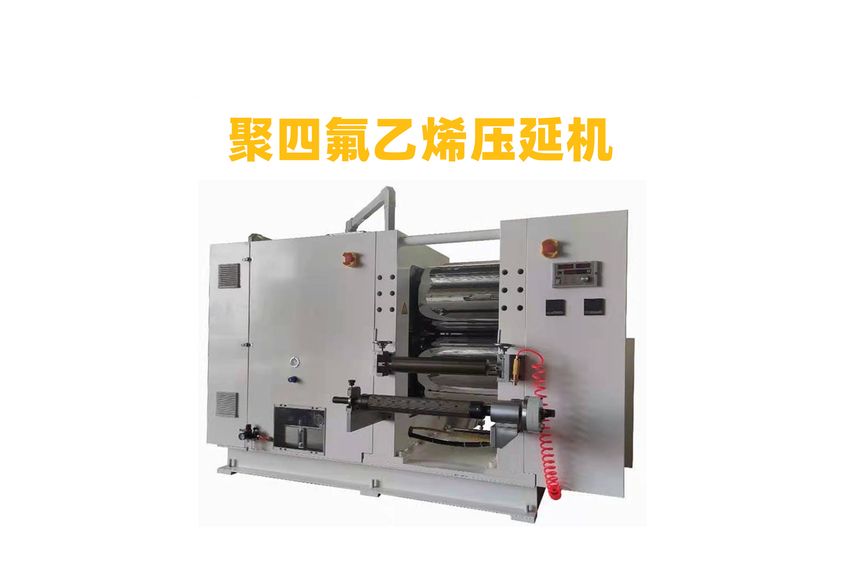
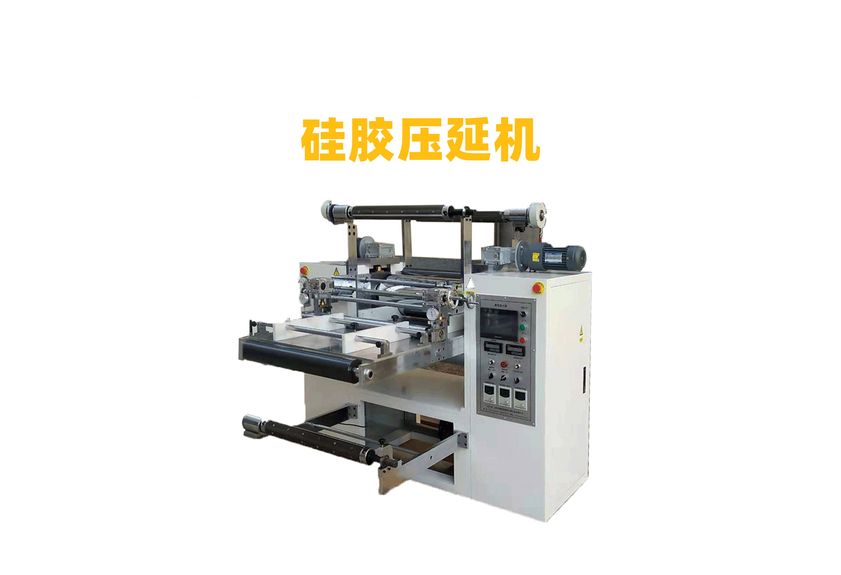
Firstly, there are two main types of thin film rolling machines: rotary and linear. Rotary machines use a roller to apply pressure and heat to the material as it moves across the substrate, while linear machines use a continuous belt to apply pressure and heat to the material. Both types have their advantages and disadvantages, but both are essential for producing high-quality thin films.

Rotary machines are commonly used for the production of flexible circuit boards, microchips, and other electronic components. They offer precise control over the thickness and uniformity of the films, which is crucial for achieving optimal performance in these applications. Additionally, rotary machines can be equipped with additional features such as temperature control, vacuum systems, and automated feeding mechanisms, making them highly versatile.
Linear machines are more commonly used for the production of large-area films such as solar panels and photovoltaic cells. They offer greater flexibility in terms of speed and capacity, making them ideal for mass production. However, linear machines may not be as precise as rotary machines when it comes to controlling the thickness and uniformity of the films.
The applications of thin film rolling machines are vast and varied, ranging from electronics and semiconductors to energy storage and renewable energy. For example, in the electronics industry, thin film rolling machines are used to produce high-quality capacitors, inductors, and transistors, which are essential components for modern electronic devices. In the semiconductor industry, they are used to create integrated circuits, which are the backbone of modern computing and communication systems.
In addition to their practical applications, thin film rolling machines also offer several benefits to the manufacturing industry. Firstly, they reduce waste by minimizing the amount of material that needs to be discarded during processing. Secondly, they improve efficiency by reducing the time and effort required to manufacture products. Finally, they contribute to environmental sustainability by reducing the need for raw materials and energy consumption.
In conclusion, thin film rolling machines play a crucial role in the manufacturing industry, particularly in the electronics and semiconductor sectors. By offering precise control over the thickness and uniformity of thin films, these machines enable manufacturers to produce high-quality products with reduced waste, increased efficiency, and improved environmental sustainability. As technology continues to advance, the demand for thin film rolling machines will only continue to grow, making them an essential tool for the future of manufacturing.