



The Four-Roll Rolling Press: A Detailed Guide to Its Operation and Applications
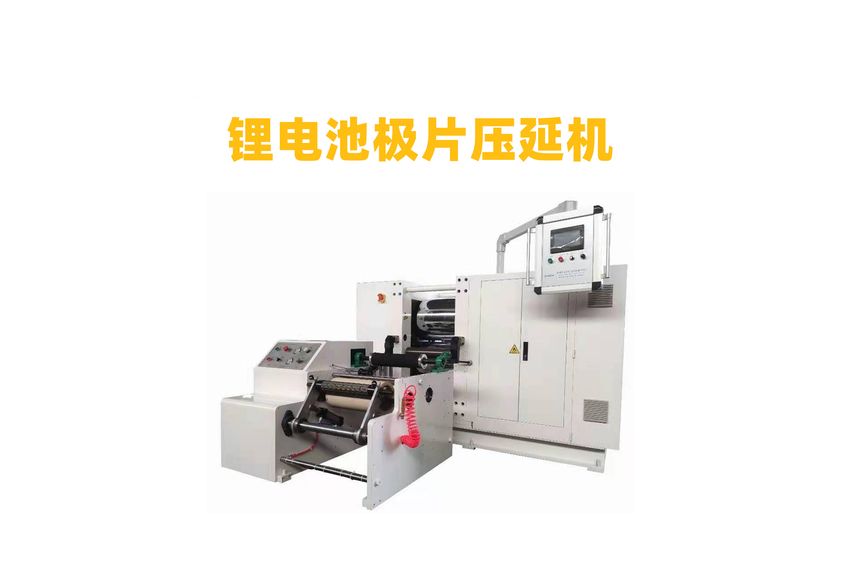
The four-roll rolling press is a versatile tool used in the manufacturing industry for shaping metal sheets into various shapes and sizes. This machine is widely used in the automotive, aerospace, and construction industries, among others. In this article, we will explore the basic principles of operation, the different types of four-roll rolling presses, their applications, and some tips for maintaining and operating this powerful tool effectively.
Firstly, let's understand the basic principles of operation. A four-roll rolling press consists of four rollers that rotate around a central axis. These rollers are mounted on a frame that allows them to move up and down, which is crucial for shaping the metal sheet. The rollers are usually made of high-carbon steel or other durable materials to withstand the intense heat generated during the shaping process.
There are two main types of four-roll rolling presses: horizontal and vertical. Horizontal four-roll rolling presses are more common and are used for shaping flat sheets of metal. They have a larger working area and can handle heavier loads. On the other hand, vertical four-roll rolling presses are designed for shaping curved sheets of metal, such as those found in cars and airplanes. They have a smaller working area but offer greater precision and flexibility in shaping complex shapes.
Applications of four-roll rolling presses are numerous and varied. One of their most common uses is in the production of automobile bodies. The press is used to shape the body panels, roofs, and other components into precise shapes. Another application is in the manufacture of aircraft parts, where the press is used to shape the fuselage, wings, and other critical components. Additionally, four-roll rolling presses are also used in the construction industry for shaping metal beams and other structural elements.
To ensure optimal performance and longevity, it is essential to maintain and operate the four-roll rolling press effectively. Here are some tips:
1. Regular maintenance: Schedule regular inspections and cleaning of the rollers, bearings, and other moving parts to prevent wear and tear.
2. Proper lubrication: Use appropriate lubricants to reduce friction between the rollers and prevent damage.
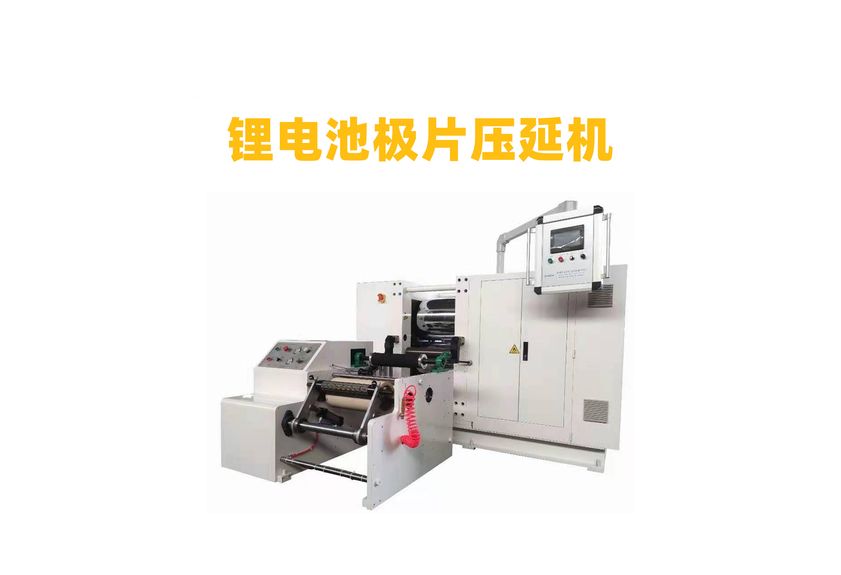
3. Proper loading: Ensure that the metal sheet is evenly loaded onto the rollers to avoid warping or distortion.
4. Proper speed control: Maintain consistent speed settings to avoid excessive heat generation and potential damage to the rollers.
5. Proper operator training: Hire experienced operators who are familiar with the machine's operation and maintenance procedures.
In conclusion, the four-roll rolling press is a valuable tool in the manufacturing industry for shaping metal sheets into various shapes and sizes. By understanding its basic principles of operation, exploring different types of machines, and following proper maintenance and operation guidelines, you can maximize its efficiency and effectiveness in your production processes.