
The Art of Clay Particle Formation: An Overview of Ceramic Powder Grinding Machines
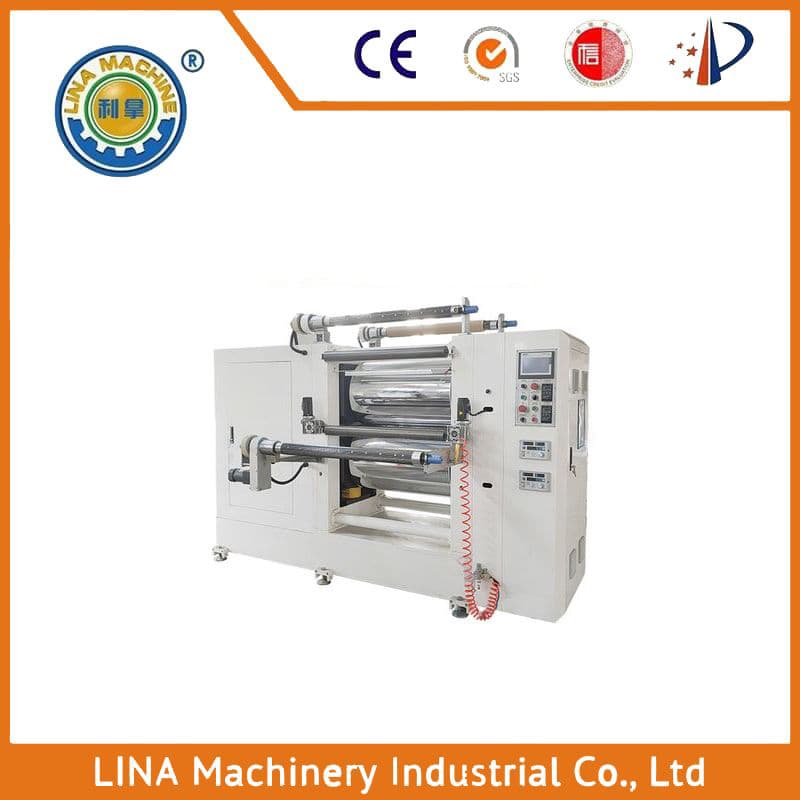
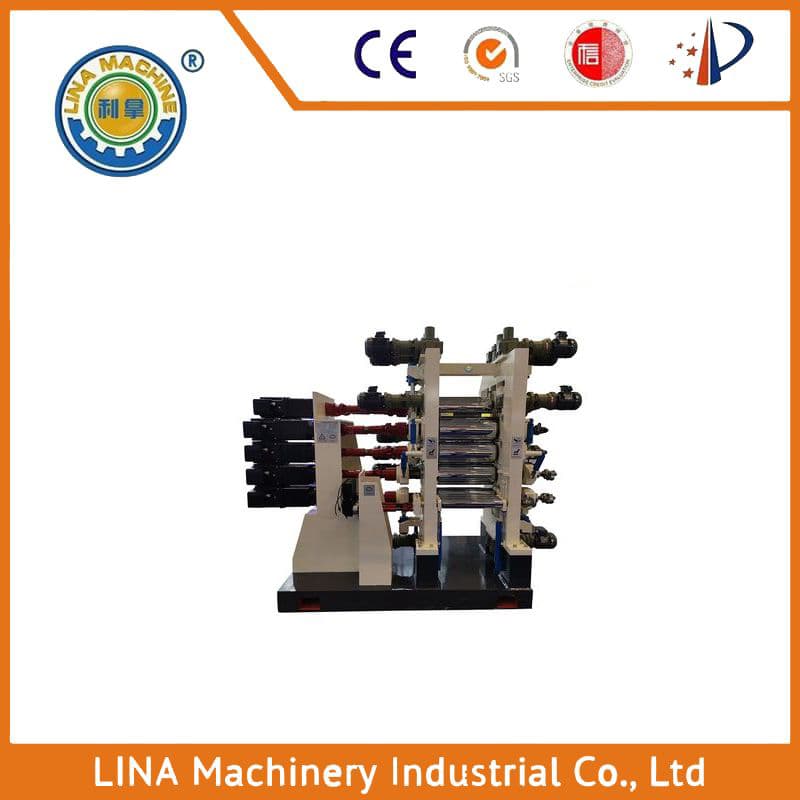
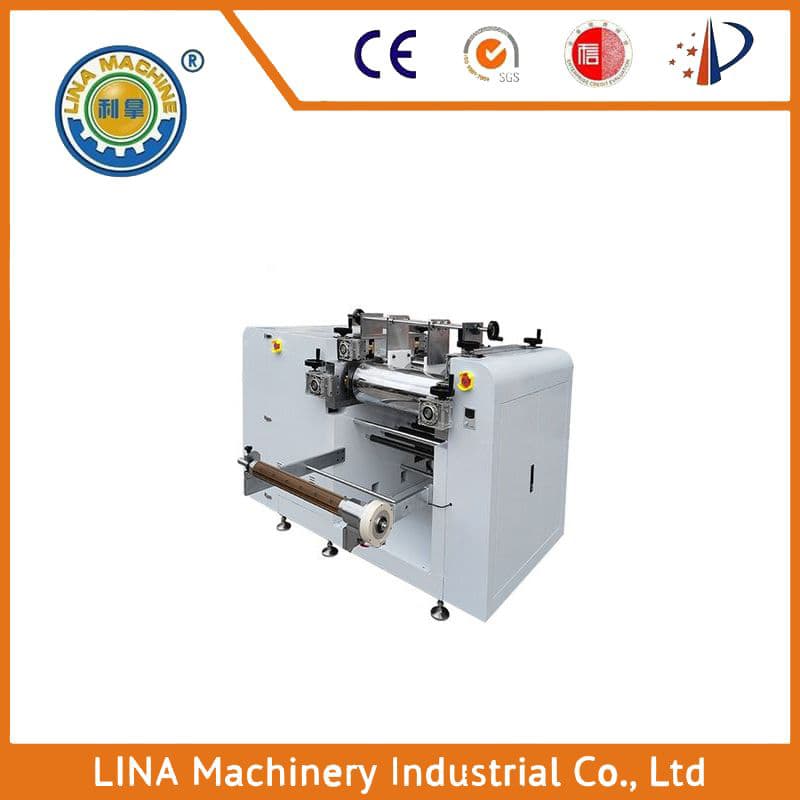
Clay powder is a crucial component in the production of ceramic products, as it serves as the foundation for many high-quality ceramics. To achieve the desired properties and consistency of the final product, the process of clay powder formation must be precise and efficient. This is where the role of ceramic powder grinding machines comes into play. These machines are designed to transform raw clay into a finely ground, uniformly shaped powder that can then be molded, sintered, or coated with other materials to create functional ceramic components.
One of the most significant advantages of using ceramic powder grinding machines is their ability to produce a consistent and uniform product. By controlling the temperature, pressure, and rotational speed of the grinding process, manufacturers can ensure that each batch of clay powder meets specific quality standards. This consistency not only enhances the overall performance of the ceramic product but also reduces waste and improves efficiency.
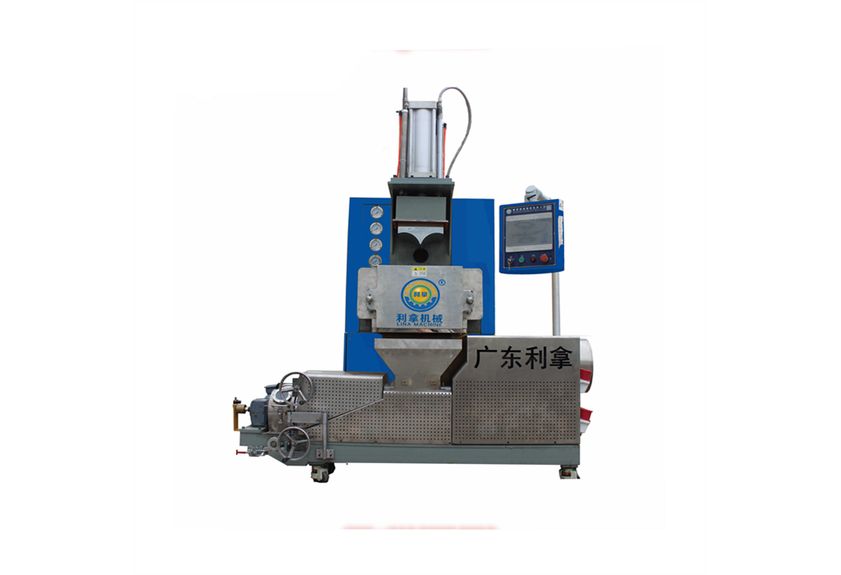
Another critical aspect of ceramic powder grinding machines is their ability to handle a wide range of clay types. Different clays have varying chemical compositions and physical properties, which can affect the quality and performance of the final product. Therefore, selecting the right machine for a particular type of clay is essential for achieving optimal results. Some machines may specialize in processing softer or harder clays, while others may offer advanced features such as temperature control or automated feeding systems.
In addition to their technical capabilities, ceramic powder grinding machines are also designed to be environmentally friendly. Many modern models use energy-efficient motors and incorporate advanced cooling systems to reduce heat generation during the grinding process. This not only extends the lifespan of the machine but also minimizes the environmental impact of the manufacturing process.
To further optimize the performance of these machines, manufacturers often incorporate various sensors and control systems that monitor the grinding process in real-time. These systems enable operators to adjust parameters such as temperature, pressure, and rotational speed based on the specific needs of the product being produced. This level of automation ensures that the final product consistently meets industry standards and exceeds customer expectations.
In conclusion, ceramic powder grinding machines play a vital role in the production of high-quality ceramic products. By providing consistent and uniform output, handling a wide range of clay types, and being environmentally friendly, these machines help manufacturers achieve their goals while minimizing waste and improving efficiency. As technology continues to advance, we can expect to see even more sophisticated and innovative designs emerging, further enhancing the capabilities of these valuable tools in the world of ceramics.