



The Flexible Plastic Pellet Production Line
The flexible plastic pellet production line is a crucial component in the manufacturing process of various plastic products. It plays a significant role in converting raw materials into finished products with high efficiency and quality. In this article, we will explore the key components of a flexible plastic pellet production line, its working principles, and its advantages over traditional methods.
Firstly, let us introduce the main components of a flexible plastic pellet production line. These include the feeding system, melting system, cooling system, granulating system, and packaging system. Each component plays a critical role in ensuring the smooth operation of the entire line.
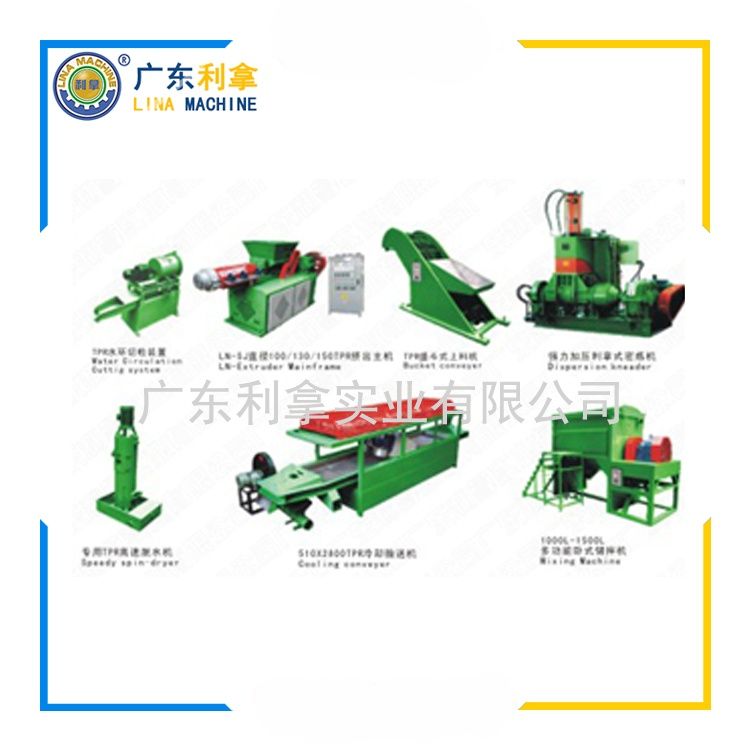
The feeding system is responsible for feeding raw materials into the melting system. It can be either manual or automated, depending on the specific requirements of the production line. Once the raw materials are fed into the melting system, they undergo a series of complex chemical reactions to form a molten plastic.
The cooling system is designed to quickly cool down the molten plastic to its solid state. This process ensures that the pellets produced have a uniform size and shape, which is essential for their application in various industries.
The granulating system is responsible for forming the pellets from the molten plastic. It uses specialized equipment to break down the molten plastic into small particles, which are then collected and packaged for further use.
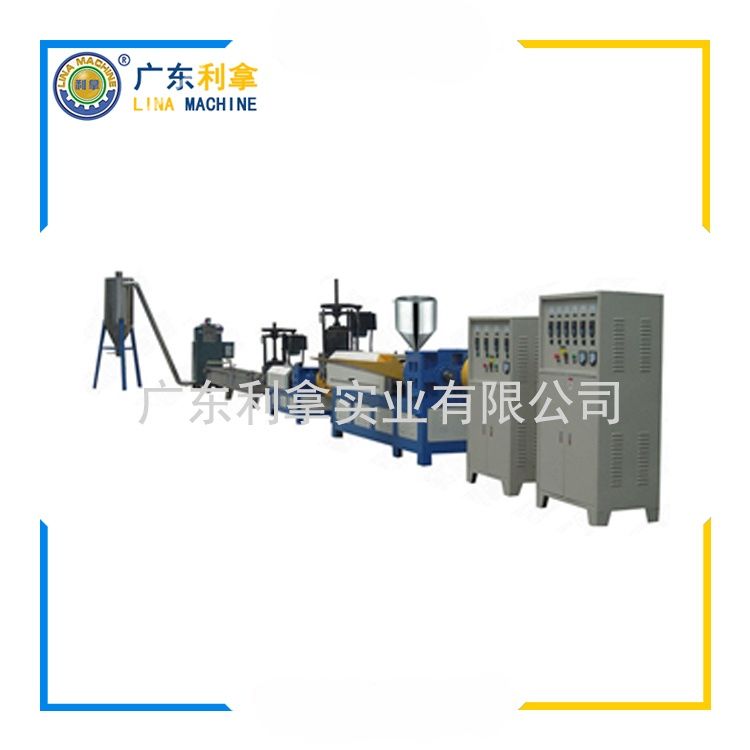
Finally, the packaging system is used to package the pellets for storage and transportation. It can be either manual or automated, depending on the specific requirements of the production line.
In addition to these main components, there are several other important factors to consider when designing a flexible plastic pellet production line. These include energy efficiency, automation level, and environmental impact. By carefully selecting the right components and considering these factors, manufacturers can achieve higher production efficiency and reduce costs while minimizing waste and emissions.
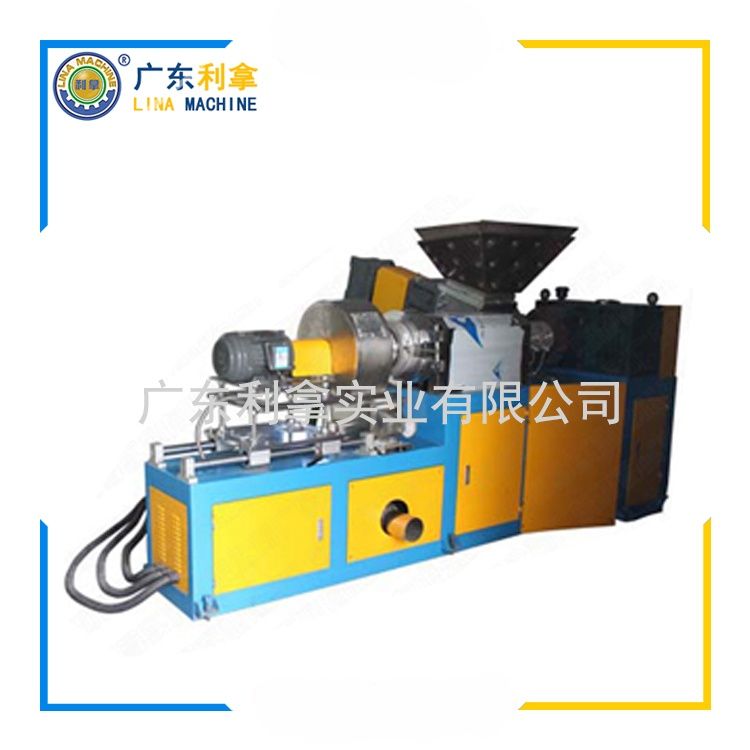
One of the biggest advantages of a flexible plastic pellet production line is its ability to produce a wide range of products with high consistency and quality. This makes it an ideal choice for businesses that need to produce a variety of plastic products, such as food packaging, medical devices, and automotive parts.
Another advantage of a flexible plastic pellet production line is its flexibility. It can be easily adjusted to meet changing market demands and technological advancements. This makes it an ideal choice for businesses that are constantly evolving and adapting to new challenges.
In conclusion, a flexible plastic pellet production line is a crucial component in the manufacturing process of various plastic products. Its key components and working principles make it an efficient and cost-effective solution for businesses looking to produce a wide range of products with high consistency and quality. By carefully selecting the right components and considering energy efficiency, automation level, and environmental impact, manufacturers can achieve higher production efficiency and reduce costs while minimizing waste and emissions.