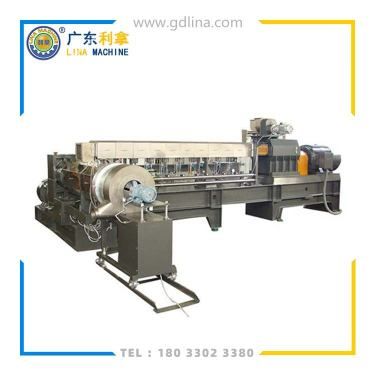
The Role of Rubber Additives in the Manufacturing of Particles
In the realm of polymer processing, the use of additives is a critical aspect that can significantly impact the properties and performance of the final product. Among these additives, rubber additives play a crucial role in enhancing the mechanical, thermal, and electrical properties of plastics and rubbers. One such additive that has gained significant attention in recent years is the use of rubber additives in the manufacturing of particle-based materials. This article will explore the importance of rubber additives in the production of particle-based materials and how they contribute to the overall quality and performance of the end product.
The process of making particle-based materials involves mixing various ingredients together to create a homogeneous mixture that can be molded or extruded into desired shapes. In this process, the use of rubber additives is essential as they can improve the flowability, adhesion, and compatibility of the mixture. These additives are designed to enhance the physical properties of the material, such as its flexibility, toughness, and resistance to wear and tear.
One of the most common types of rubber additives used in particle-based materials is carbon black. Carbon black is a highly effective filler that can significantly improve the strength and stiffness of the material. It also helps to reduce the density of the material, which can lead to increased dimensional stability and reduced weight. Another important type of rubber additive is plasticizers, which help to improve the flexibility and toughness of the material. Plasticizers can also help to reduce the brittleness of the material and increase its ductility.
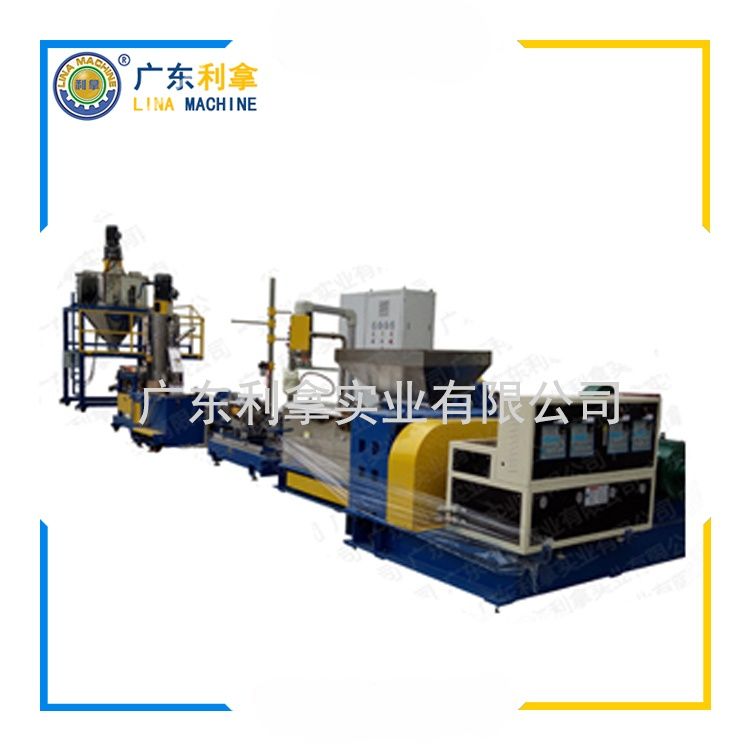
In addition to carbon black and plasticizers, there are other types of rubber additives that can be used in particle-based materials. For example, antioxidants are used to prevent the degradation of the material during storage or exposure to high temperatures. Antioxidants can also help to improve the color and appearance of the material. Finally, lubricants are used to reduce friction between different components of the material, which can help to improve its handling and moldability.
The use of rubber additives in particle-based materials has many benefits for both the manufacturer and the end user. By using these additives, manufacturers can produce materials with improved physical properties, which can lead to better performance and longer lifespan. Additionally, the use of these additives can help to reduce costs by reducing waste and improving efficiency.
In conclusion, the use of rubber additives in particle-based materials is an important aspect of modern polymer processing. By incorporating these additives into the manufacturing process, manufacturers can produce materials with superior physical properties that can benefit both the end user and the industry as a whole.