



The Closed-Cylinder Vulcanizing Machine
The closed-cylinder vulcanizing machine is a crucial tool in the rubber industry, used to process and cure natural or synthetic rubbers. This machine uses heat and pressure to transform raw materials into finished products such as tires, hoses, and other rubber components. The machine's design ensures that the rubber undergoes a controlled curing process, which leads to a strong and durable material.
One of the key features of the closed-cylinder vulcanizing machine is its ability to maintain a consistent temperature and pressure throughout the curing process. This is achieved through the use of precise temperature control systems and advanced pressure regulation mechanisms. By doing so, the machine can produce uniformly cured rubber products with consistent quality and performance.
Another important aspect of the closed-cylinder vulcanizing machine is its automation capabilities. With modern technology, these machines are now equipped with advanced software and robotic arms that can perform complex tasks automatically. This not only reduces labor costs but also improves efficiency and accuracy in the production process.
In addition to its technical features, the closed-cylinder vulcanizing machine also has a significant impact on the environment. By using less energy and producing fewer emissions, these machines help reduce the carbon footprint associated with the rubber industry. Furthermore, their efficient use of resources means that they can be more sustainable in the long run.
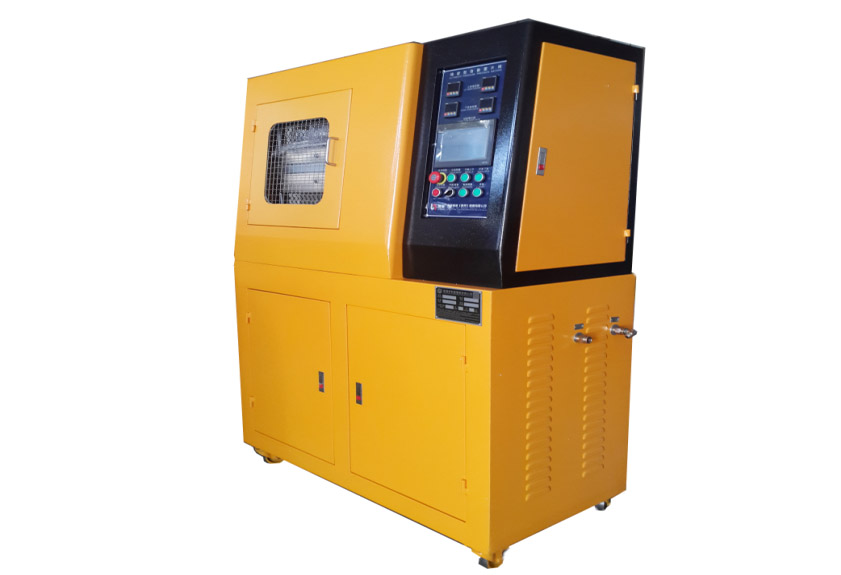
1. Closed-Cylinder Vulcanizing Machine
2. Rubber Industry
3. Curing Process
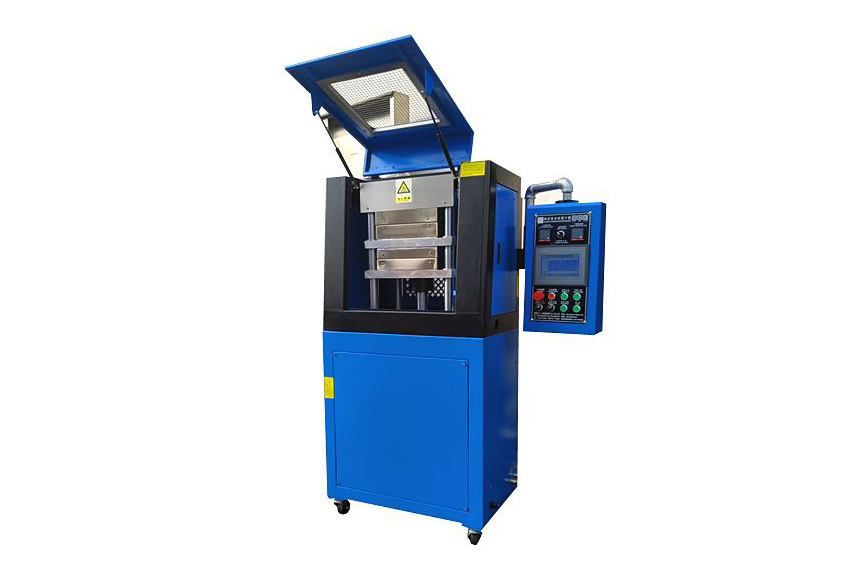
4. Automation
5. Environmental Impact
This article provides an in-depth analysis of the closed-cylinder vulcanizing machine, highlighting its importance in the rubber industry and its role in achieving consistent curing results. We explore the machine's technical features, automation capabilities, and environmental benefits, showcasing how it contributes to sustainability and efficiency in the production process.