



The Art of Rubber Making: An Insight into the Role of Rubber Machines
Rubber machines are essential tools in the world of rubber production. They play a crucial role in transforming raw materials into high-quality, durable rubber products. In this article, we will explore the different types of rubber machines and their functions, as well as their impact on the industry.
Firstly, there are two main types of rubber machines: compression and extrusion. Compression machines use compressed air or steam to squeeze the rubber material between two plates, resulting in a uniform cross-sectional shape. Extrusion machines, on the other hand, use heated metal dies to melt the rubber material and push it through a die plate, creating a continuous length of rubber.
The choice of rubber machine depends on the specific type of rubber product being produced. For example, if you need a flexible, pliable rubber, then an extruder is the best option. Conversely, if you require a rigid, strong rubber, then a compression machine would be more suitable.
In addition to their function, rubber machines also have a significant impact on the industry. They help to increase efficiency, reduce waste, and improve product quality. By using these machines, manufacturers can produce rubber products with higher strength, durability, and flexibility than ever before.
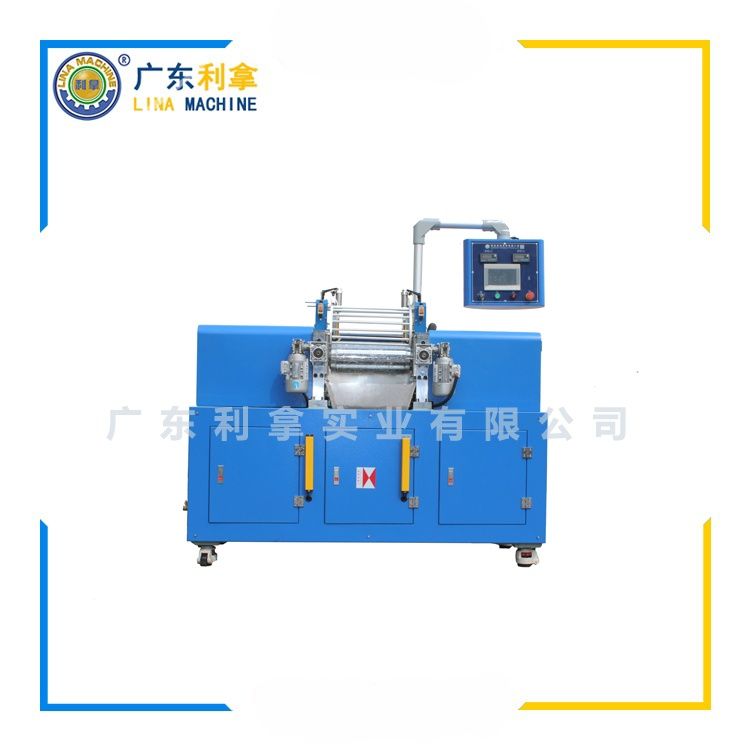
Moreover, rubber machines are not only used in the manufacturing of rubber products but also in other industries such as construction, automotive, and aerospace. These machines are designed to handle various materials and processes, making them highly versatile and adaptable to different applications.
In conclusion, rubber machines play a vital role in the world of rubber production. They enable manufacturers to produce high-quality, durable rubber products that meet the needs of various industries. As technology continues to advance, we can expect to see even more innovative and efficient rubber machines in the future.