



The Art of Clay Particle Formation: An Insight into the Ceramic Powder Grinding Machine
The art of ceramic powder formation is a fascinating process that involves the creation of finely-milled ceramic particles. This technique is crucial in the production of high-quality ceramics, which are widely used in various industries such as electronics, automotive, and construction. In this article, we will explore the intricacies of the ceramic powder grinding machine, its working principles, and the benefits it brings to the ceramic industry.
Ceramic powder grinding machines are designed to break down raw materials into smaller particles, which are then refined and mixed with other ingredients to form a homogeneous ceramic mixture. These machines use different methods to achieve this, including ball milling, rod milling, and ultrasonic milling. Each method has its advantages and disadvantages, but they all share the common goal of producing uniformly sized ceramic particles.
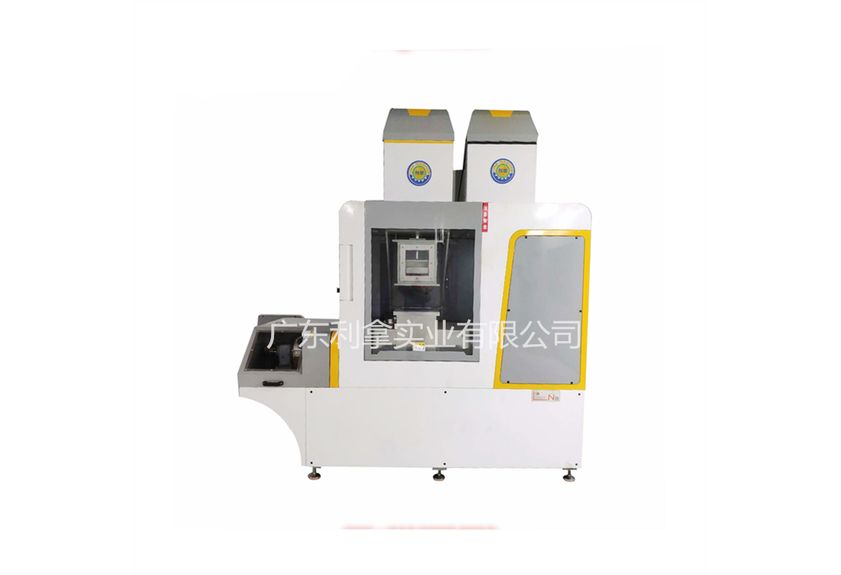
One of the key features of the ceramic powder grinding machine is its ability to control the size of the particles produced. By adjusting the rotational speed and the amount of material fed into the machine, the operator can achieve the desired particle size. This precision is essential in the production of specialized ceramics, where the size and shape of the particles can have a significant impact on their properties and performance.
Another advantage of the ceramic powder grinding machine is its ability to produce a wide range of particle sizes. This flexibility allows for the customization of the final product, making it suitable for a variety of applications. For example, some ceramics require larger particles for strength and durability, while others require smaller particles for flexibility and deformability. By using the grinding machine, manufacturers can easily achieve these requirements.
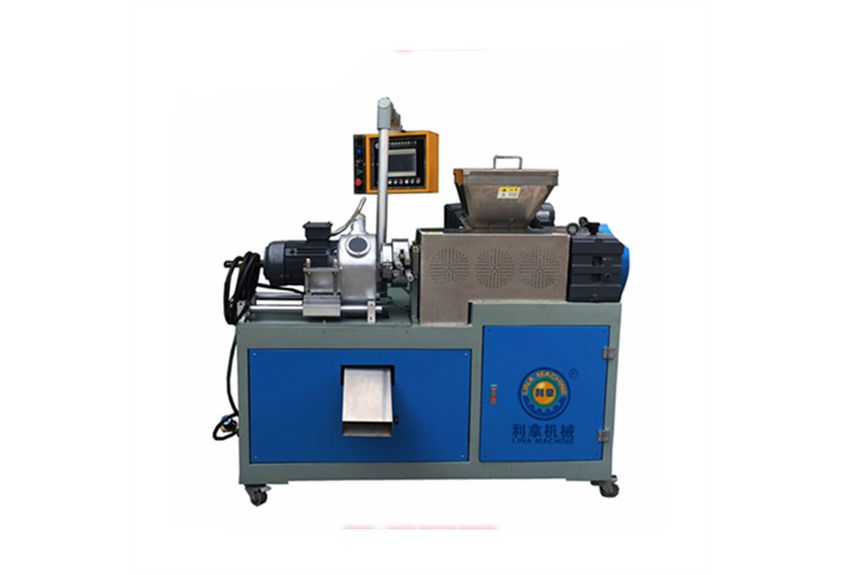
In addition to its technical capabilities, the ceramic powder grinding machine also plays a critical role in reducing waste and improving efficiency. By grinding the raw materials into smaller particles, the machine reduces the amount of material required for each batch, which saves time and resources. This not only reduces costs but also minimizes environmental impact by reducing the amount of waste generated during the production process.
In conclusion, the ceramic powder grinding machine is an essential tool in the production of high-quality ceramics. Its ability to control particle size, produce a wide range of particle sizes, and reduce waste and improve efficiency make it a valuable asset to any ceramic manufacturer. As technology continues to advance, we can expect to see even more innovative designs and improvements in this field, ensuring that ceramics continue to be a vital part of our lives.