
The Art of Automated Extrusion Filtering Machines
In the realm of industrial manufacturing, the efficiency and precision of production processes are paramount. One such process that demands both is the automated extrusion filtering machine. This cutting-edge technology has revolutionized the way we manufacture products by streamlining the process of filtering and shaping materials.
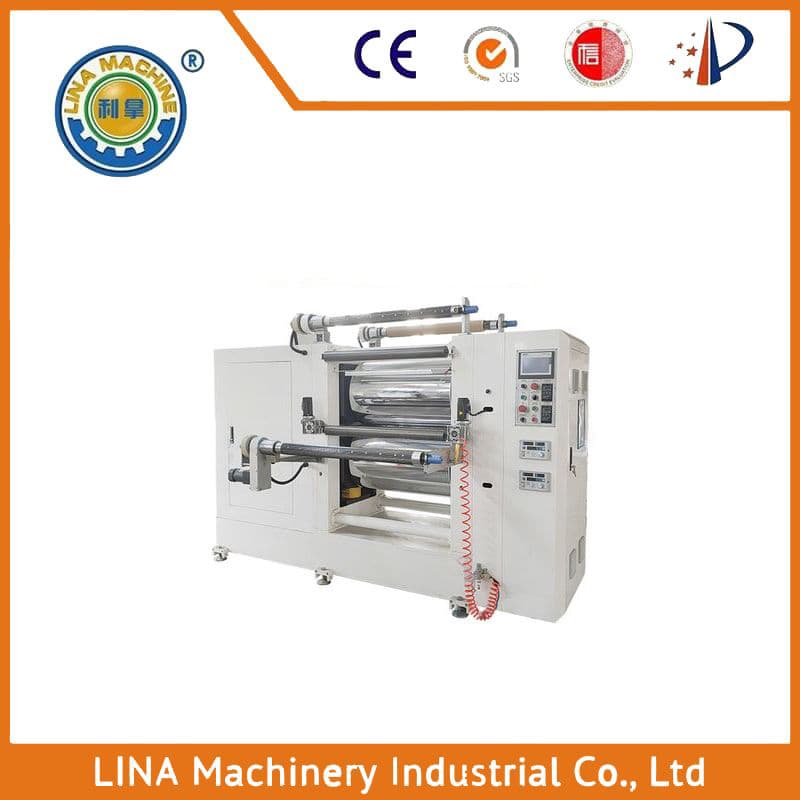
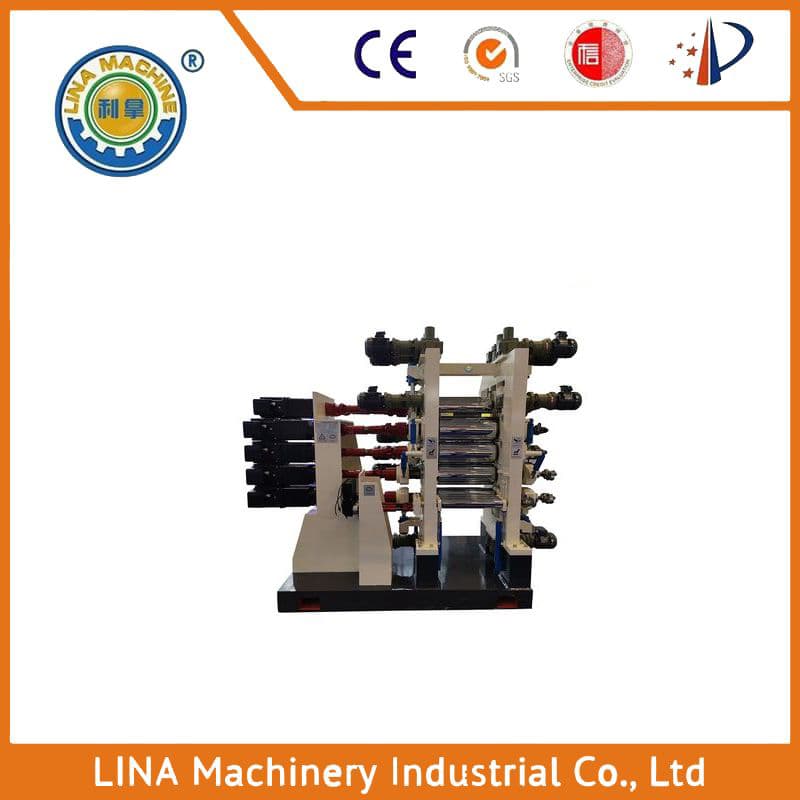
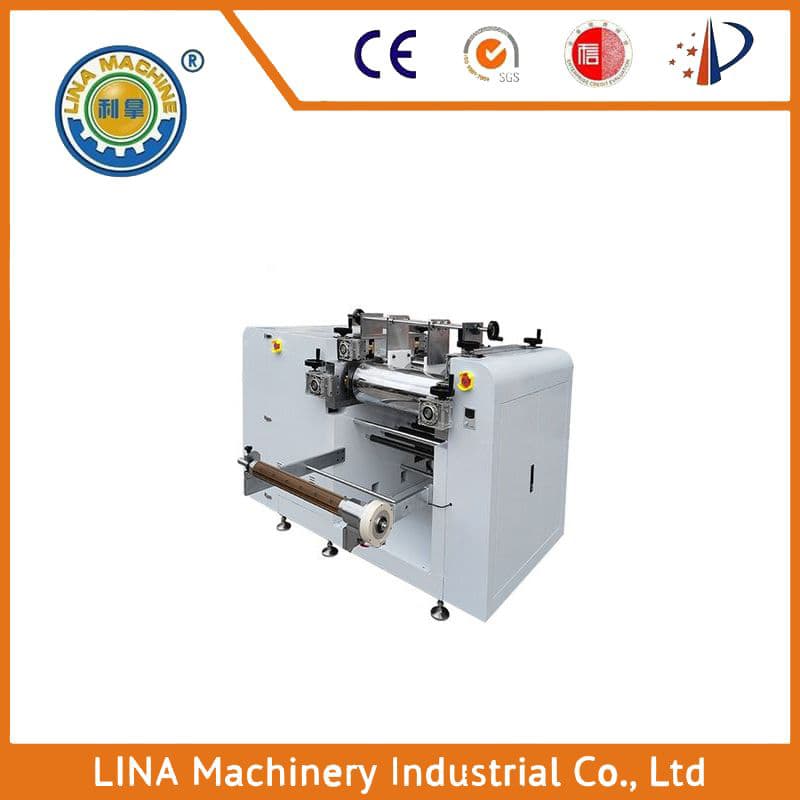
At its core, an automated extrusion filtering machine is a sophisticated piece of equipment designed to perform multiple functions simultaneously. It consists of a series of interconnected components, including a hopper for feeding raw materials, a die for shaping the material, and a filtering system for removing impurities. The machine operates by continuously feeding the raw materials into the hopper, which then travels through the die and onto a conveyor belt. As the material exits the die, it passes through a series of filters that remove any unwanted particles or contaminants.
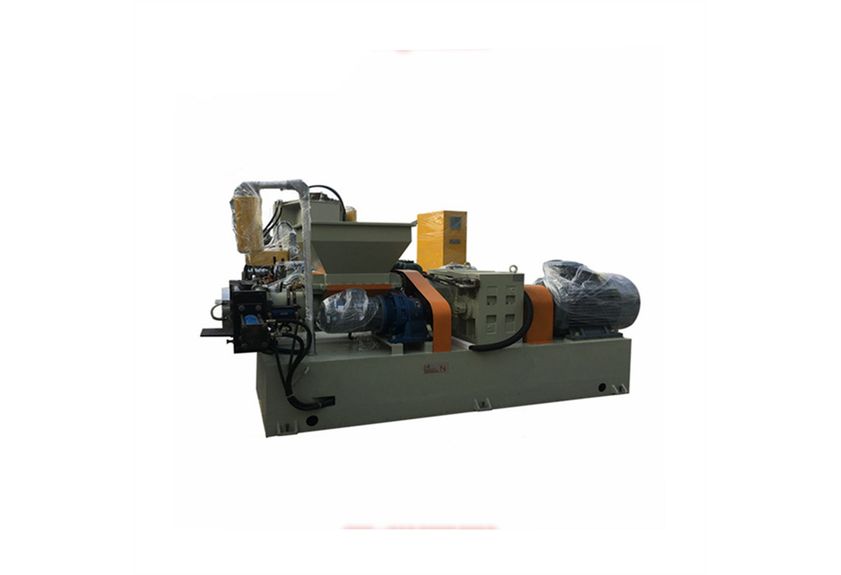
One of the key benefits of this technology is its ability to produce high-quality products with minimal waste. By using precise control over the temperature and pressure applied during the extrusion process, the machine can ensure that the material is evenly shaped and free from defects. Additionally, the use of advanced sensors and algorithms allows the machine to adapt to changing conditions and optimize performance accordingly.
Another advantage of automated extrusion filtering machines is their flexibility. With a wide range of materials and applications available, these machines can be customized to meet specific needs and requirements. Whether you're looking to produce plastic parts for automotive or electronics, or metal sheets for construction or jewelry, there's a machine out there that can handle your needs.
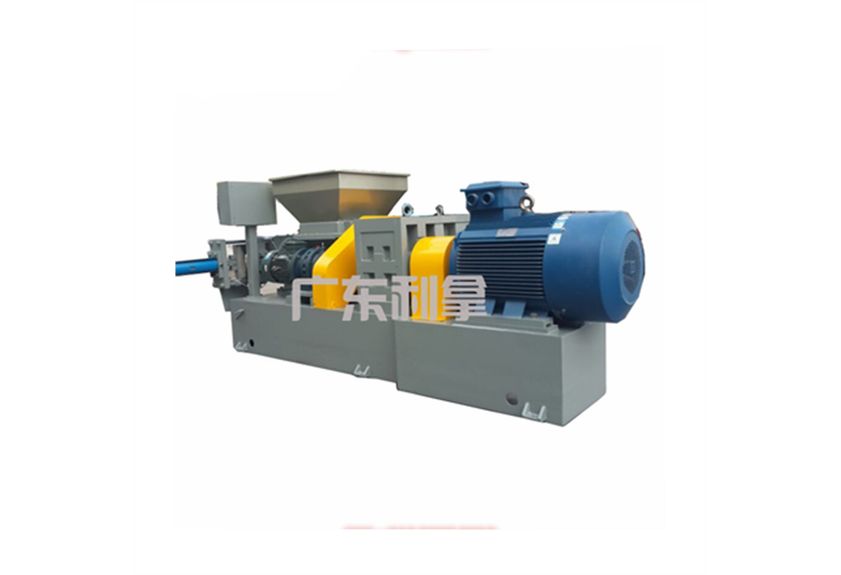
In conclusion, the automated extrusion filtering machine represents a significant advancement in the field of manufacturing. Its ability to produce high-quality products with minimal waste and its flexibility make it an essential tool for businesses looking to increase efficiency and productivity. As the demand for precision and quality continues to grow, it's clear that these machines will play an increasingly important role in the future of manufacturing.