



The Integration of Ceramic Powder Consolidation and Granulation in a Single Machine
The development of modern manufacturing technology has led to the creation of innovative tools that can significantly enhance the efficiency and quality of ceramic powder processing. One such tool is the ceramic powder consolidation and granulation machine, which combines both processes into a single unit. This article will explore the features, benefits, and applications of this advanced equipment.
The ceramic powder consolidation and granulation machine is designed to handle a wide range of ceramic materials, including glass, ceramic, and metal alloys. It uses high-pressure compaction techniques to consolidate the powder into a dense, uniform mass, while simultaneously granulating it into small particles for easy handling and application. This process not only improves the physical properties of the final product but also reduces waste and increases productivity.
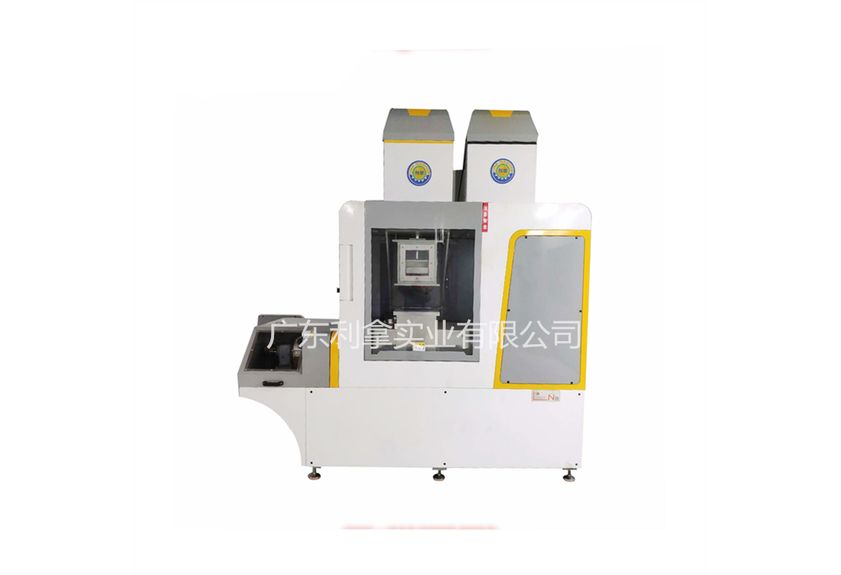
One of the key advantages of this machine is its ability to produce high-quality ceramic parts with minimal defects. By using precise control over the compaction pressure and temperature, the machine ensures that each part is consistent in size, shape, and density. This results in products that are more resistant to wear and tear, have better thermal conductivity, and exhibit superior mechanical strength.
In addition to its technical advantages, the ceramic powder consolidation and granulation machine is also cost-effective. By eliminating the need for separate granulator machines, manufacturers can save on labor costs and reduce material wastage. Furthermore, the compaction process itself is energy-efficient, as it requires less energy to achieve the same level of density as traditional methods.
The ceramic powder consolidation and granulation machine is ideal for use in industries such as automotive, electronics, and construction. In the automotive industry, it can be used to produce engine components, transmission parts, and other critical components that require high levels of durability and reliability. In the electronics industry, it can be used to produce circuit boards, sensors, and other electronic components that must be precisely sized and shaped. In construction, it can be used to produce bricks, tiles, and other building materials that require high levels of strength and durability.
In conclusion, the ceramic powder consolidation and granulation machine represents a significant advancement in the field of ceramic processing. Its ability to produce high-quality ceramic parts with minimal defects, combined with its cost-effectiveness and wide range of applications, makes it an essential tool for any manufacturer looking to improve their production efficiency and product quality. As technology continues to evolve, we can expect to see even more innovative solutions like this one, further enhancing our ability to manufacture complex and durable materials with precision and ease.