
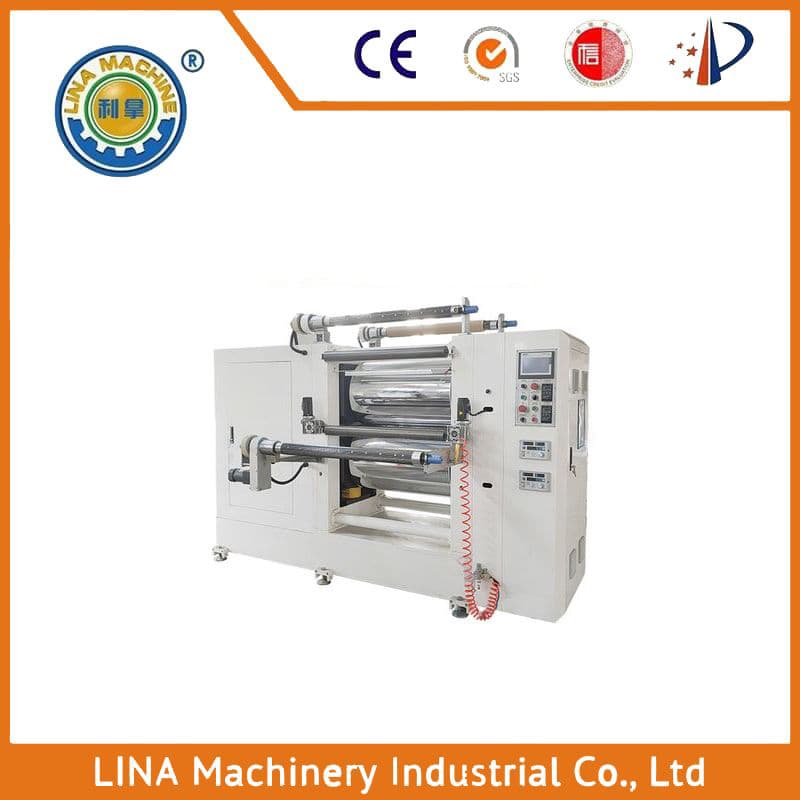
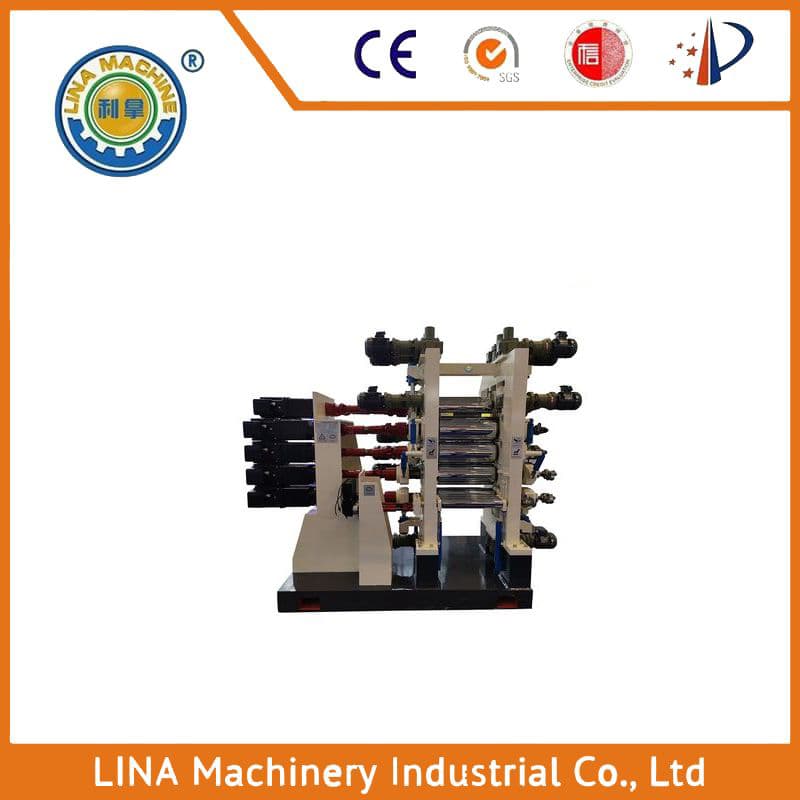
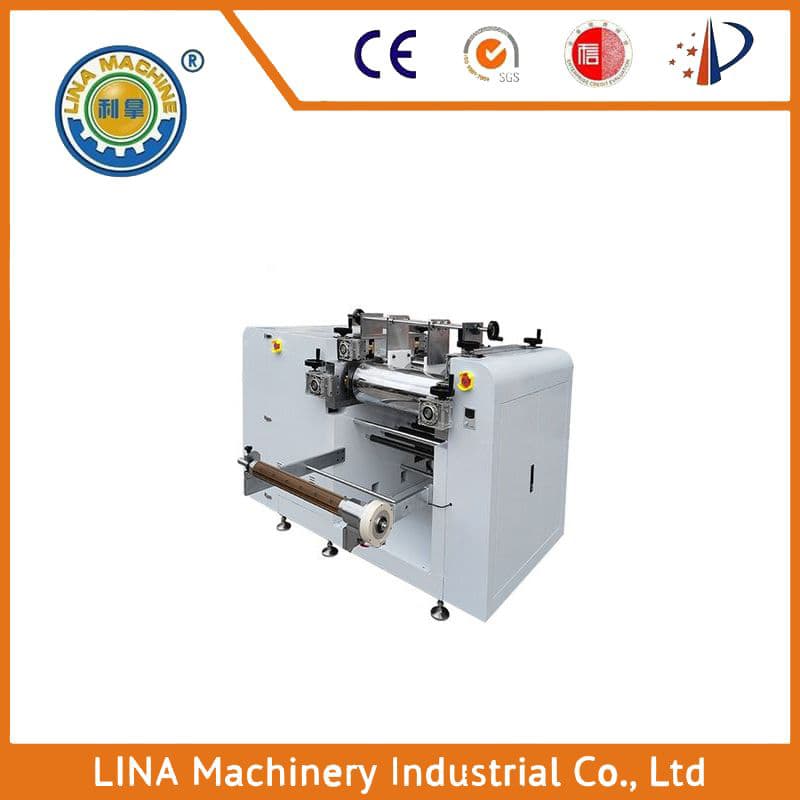
The Laboratory Rolling Mill: A Critical Component in the Scientific Process
The laboratory rolling mill is a critical tool in the scientific process, providing precise control over the temperature and pressure of materials during processing. This machine is essential for various applications, including metallurgy, ceramics, and polymer science. In this article, we will explore the features, benefits, and limitations of this versatile piece of equipment.
Features of Laboratory Rolling Mills:
1. Controlled Temperature and Pressure: Lab rolling mills are designed to maintain consistent temperatures and pressures throughout the processing cycle, ensuring that materials are processed at optimal conditions. This ensures consistency in the final product and reduces the risk of defects.
2. High Precision: These machines are equipped with high-precision components and advanced control systems, allowing for precise adjustments in temperature and pressure settings. This precision is crucial for achieving consistent results and minimizing errors.
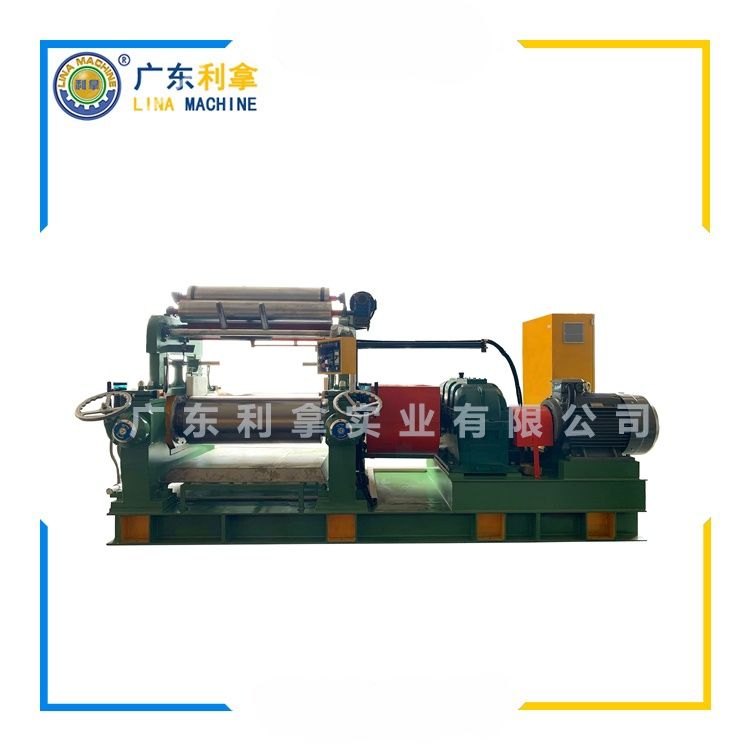
3. Versatility: Lab rolling mills are versatile tools that can be used for a wide range of materials, from metals to ceramics and polymers. They can also be customized to meet specific requirements, making them a valuable asset for researchers and industry professionals.
Benefits of Laboratory Rolling Mills:
1. Consistent Results: Lab rolling mills provide consistent results, reducing the risk of defects in the final product. This ensures that researchers can trust their findings and rely on the results obtained from these machines.
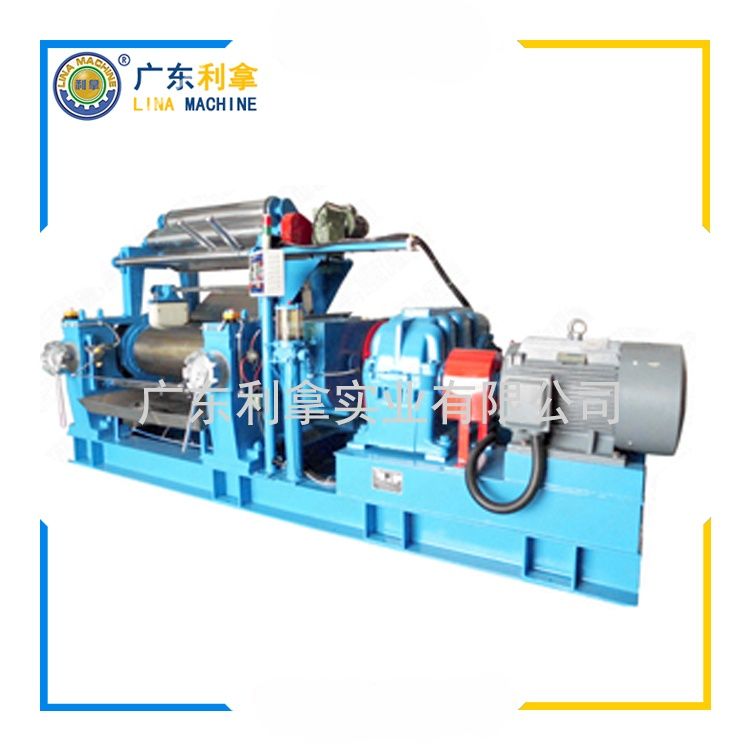
2. Efficient Processing: These machines are highly efficient, allowing for rapid processing of large batches of materials. This saves time and resources, making them a cost-effective option for researchers and industry professionals.
3. Customizable: Lab rolling mills are customizable, allowing for the modification of settings to suit specific requirements. This flexibility makes them a valuable tool for researchers who need to process different types of materials.

Limitations of Laboratory Rolling Mills:
1. Cost: Lab rolling mills can be expensive to purchase and maintain, making them a significant investment for researchers and industry professionals. However, their efficiency and consistency make them a worthwhile investment in the long run.
2. Maintenance: These machines require regular maintenance to ensure they operate efficiently and effectively. Proper maintenance is crucial for maintaining the accuracy and reliability of the machine.
3. Limited Use: While lab rolling mills are versatile tools, they may not be suitable for all materials or processes. Researchers should consider their specific needs when choosing a lab rolling mill.
In conclusion, the laboratory rolling mill is a critical component in the scientific process, providing precise control over temperature and pressure during processing. Its features, benefits, and limitations make it an essential tool for researchers and industry professionals. By understanding its capabilities and limitations, researchers can make informed decisions about how to use this powerful tool to achieve their research goals.