



The Role of Mass Production in the Development of Compact Mixing Machines
In the realm of industrial machinery, the development of compact mixing machines has been a significant milestone in the manufacturing industry. One such machine that stands out is the mass-produced type of mixer, which has revolutionized the way materials are processed and mixed. These machines have become an essential tool for industries ranging from food processing to pharmaceuticals, as they offer efficient and cost-effective solutions for mixing large volumes of materials.
The key features of mass-produced compact mixing machines include their ability to handle a wide range of materials, including dry and wet substances, with minimal preparation. This is achieved through the use of advanced technology, such as high-speed rotation, variable speed control, and automated feeding systems. These machines are designed to be highly adaptable, allowing them to be customized to meet specific needs and requirements.
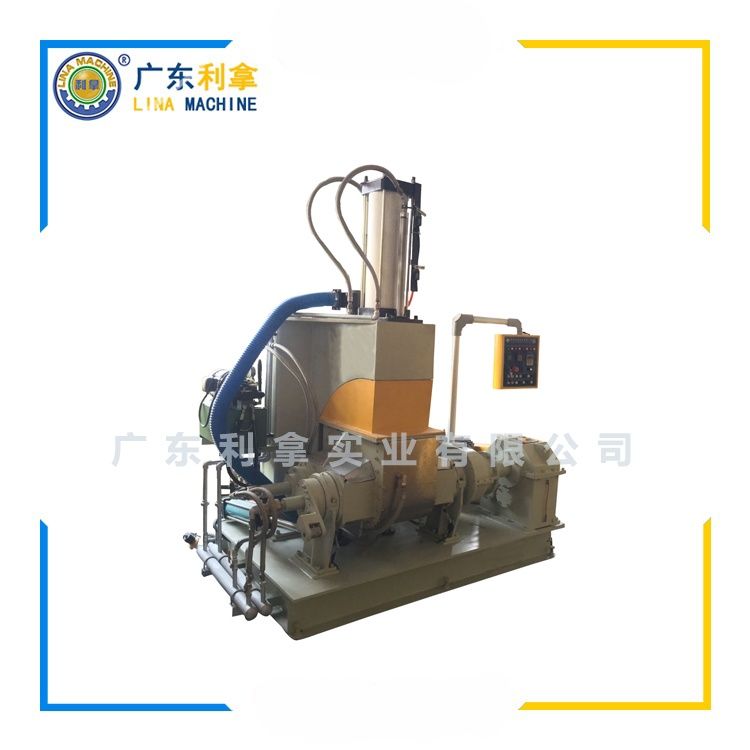
One of the most significant advantages of mass-produced compact mixing machines is their efficiency. They can process large batches of materials in a short amount of time, reducing downtime and increasing productivity. This is particularly important in industries where time is of the essence, such as food production or pharmaceutical manufacturing.
Another benefit of these machines is their flexibility. They can be used for a wide range of applications, from simple mixing tasks to complex compounding processes. This makes them ideal for small and medium-sized businesses, as well as larger corporations, who need to process a variety of materials on a regular basis.
In addition to their practical benefits, mass-produced compact mixing machines also contribute to environmental sustainability by reducing waste and energy consumption. By using less water and other resources, these machines help to conserve resources and minimize their impact on the environment.
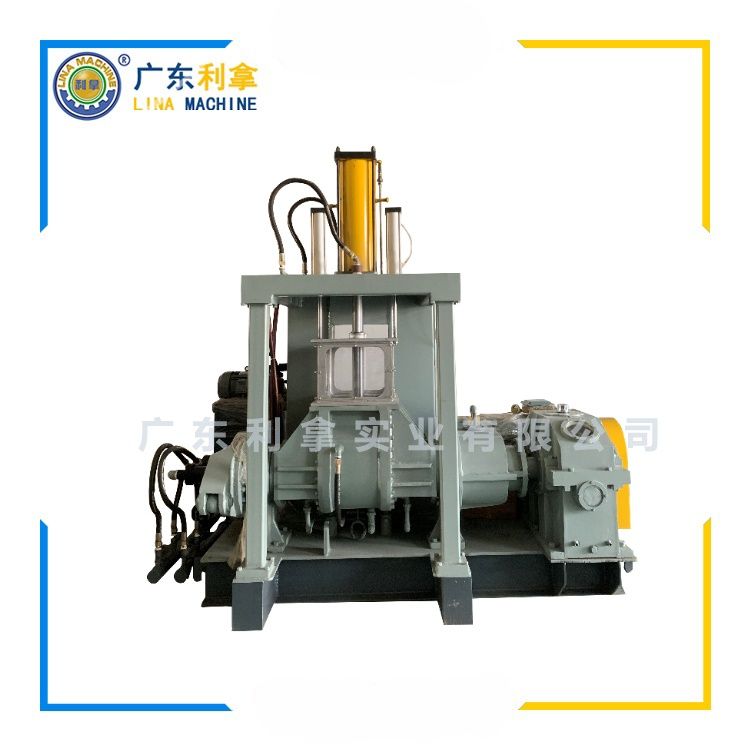
In conclusion, the development of mass-produced compact mixing machines has had a significant impact on the manufacturing industry. These machines offer efficient, flexible, and sustainable solutions for mixing large volumes of materials, making them an essential tool for many industries. As technology continues to advance, we can expect to see even more innovative designs and features being developed to further enhance the capabilities of these machines.