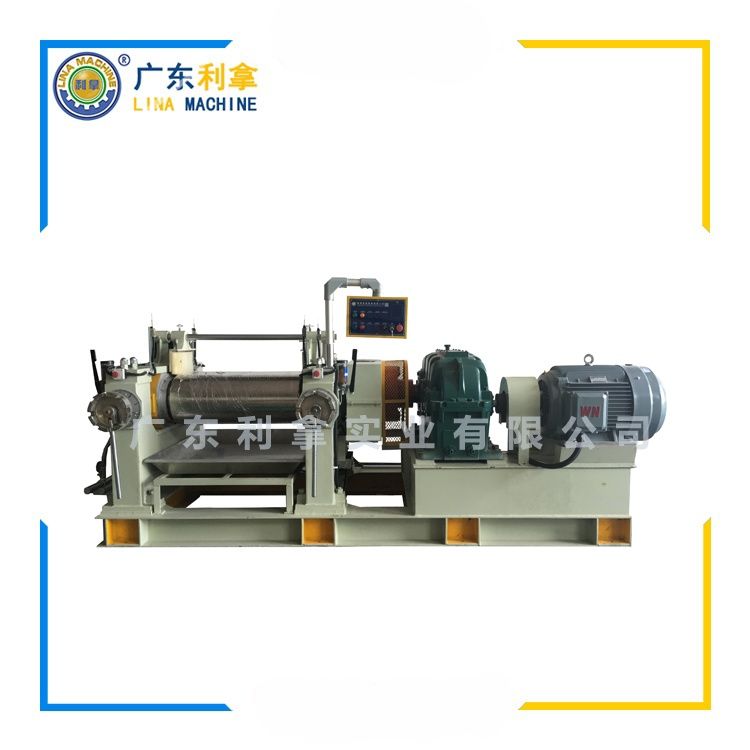
The Role of the Mixing Machine in Industrial Processes
The mixing machine is an essential tool in industrial processes, used to combine and blend materials in a controlled manner. It plays a crucial role in various industries such as food processing, pharmaceuticals, chemical engineering, and more. By using this machine, manufacturers can achieve uniform mixing of ingredients, improve product quality, and increase production efficiency.
One of the main functions of the mixing machine is to homogenize or blend different components together. This process helps to ensure that all ingredients are mixed evenly and thoroughly, resulting in a consistent product. The mixing machine also has the ability to mix liquids with solids, gases with solids, or even different types of liquids. This flexibility makes it a versatile tool for many industrial applications.
In addition to its practical uses, the mixing machine is also important for safety reasons. By ensuring that all ingredients are mixed thoroughly, manufacturers can reduce the risk of contamination or cross-contamination during the manufacturing process. This helps to maintain product quality and customer satisfaction.
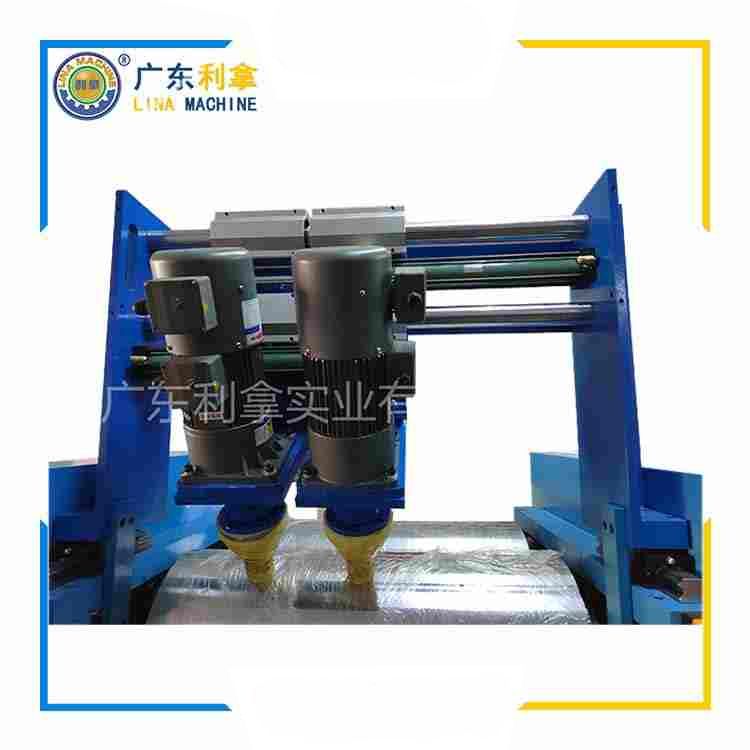
When selecting a mixing machine, manufacturers need to consider factors such as the type of material they will be mixing, the desired level of mixing, and the size of the equipment needed. There are several types of mixing machines available, including batch mixers, continuous mixers, and high-speed mixers. Each type has its own advantages and disadvantages, so it's important for manufacturers to choose the right one based on their specific needs.
In conclusion, the mixing machine is an essential tool in industrial processes that plays a vital role in achieving uniform mixing of materials. Its versatility and effectiveness make it a valuable asset for manufacturers looking to improve product quality and increase production efficiency. By understanding the different types of mixing machines available and considering factors such as material type and desired level of mixing, manufacturers can select the right equipment for their specific needs.