



The Double Roll Mill: A Revolutionary Tool for Rubber Production
The double roll mill is a crucial piece of equipment in the rubber industry, providing a versatile and efficient way to process raw materials into finished products. This machine has been around since the early days of rubber technology, and its design has evolved over time to meet the ever-changing needs of the industry.
At its core, a double roll mill consists of two parallel rollers that rotate against each other. These rollers are mounted on a shaft that runs through the center of the machine. As the rollers turn, they transfer heat and pressure to the material being processed, causing it to melt and mix evenly. This process is known as kneading or mixing, and it is what gives the rubber its unique properties.
One of the key benefits of using a double roll mill is its ability to handle a wide range of materials. From natural rubber to synthetic rubber, this machine can convert virtually any type of raw material into a high-quality product. Additionally, the rollers are designed to be highly durable and resistant to wear, ensuring that the machine can operate efficiently for many years without needing frequent maintenance.
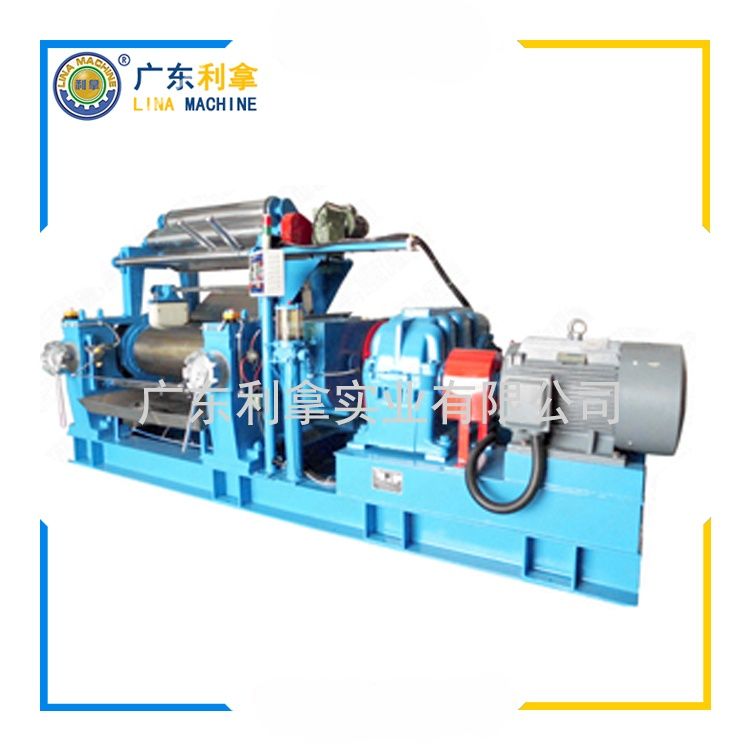
Another important aspect of a double roll mill is its flexibility. With a variety of configurations available, manufacturers can tailor the machine to suit specific applications. For example, some models may have additional features such as cooling systems or automated controls, while others may be designed specifically for use in small batch production.
In recent years, advancements in technology have also made the double roll mill more efficient and effective. With the help of advanced sensors and control systems, manufacturers can now monitor the temperature and pressure levels throughout the process, allowing them to optimize their operations and reduce waste. Additionally, new materials and technologies are being developed to improve the quality and performance of the final product.
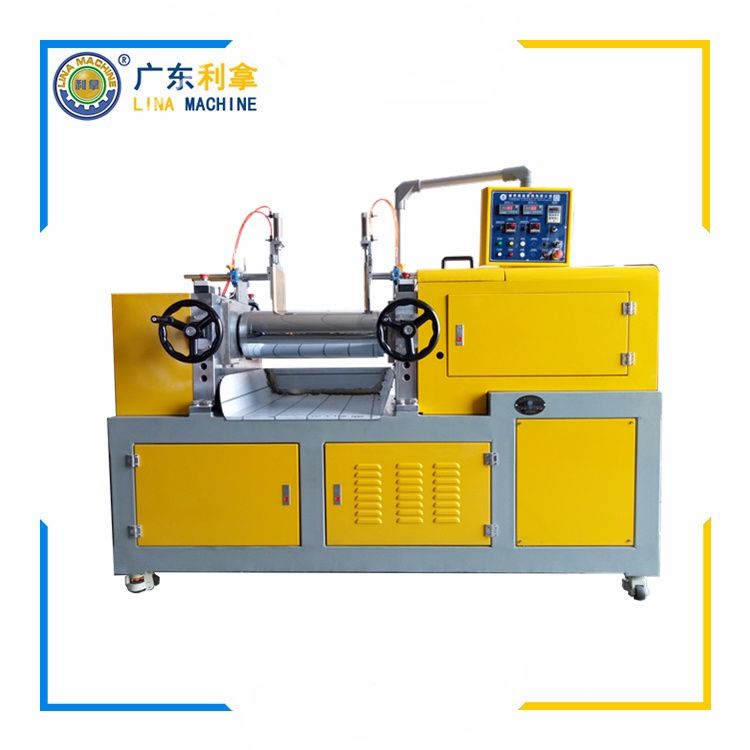
Overall, the double roll mill remains a critical tool in the rubber industry today. Its ability to process a wide range of materials and its flexibility make it an essential piece of equipment for any manufacturer looking to produce high-quality rubber products. As technology continues to advance, we can expect to see even more innovative designs and improvements from this classic machine.