



The Two-Roll Mill: A Detailed Guide to Its Operation and Applications
The two-roll mill, also known as a twin-roll mill or double-roll mill, is a critical piece of machinery in the rubber and plastic industry. It is used for mixing, kneading, and extruding materials such as latex, polyurethane, and thermoplastics. In this article, we will explore the basic principles of operation, the various types of two-roll mills, their applications, and some tips for maintaining efficiency and safety.
1. Basic Principles of Operation:
A two-roll mill consists of two parallel metal rollers that rotate around a central axis. The material to be processed is fed into the gap between the rollers, where it is subjected to shear forces that break down the polymer chains and mix them with other components. The resulting mixture is then extruded through a die, which defines the final shape of the product.
2. Different Types of Two-Roll Mills:
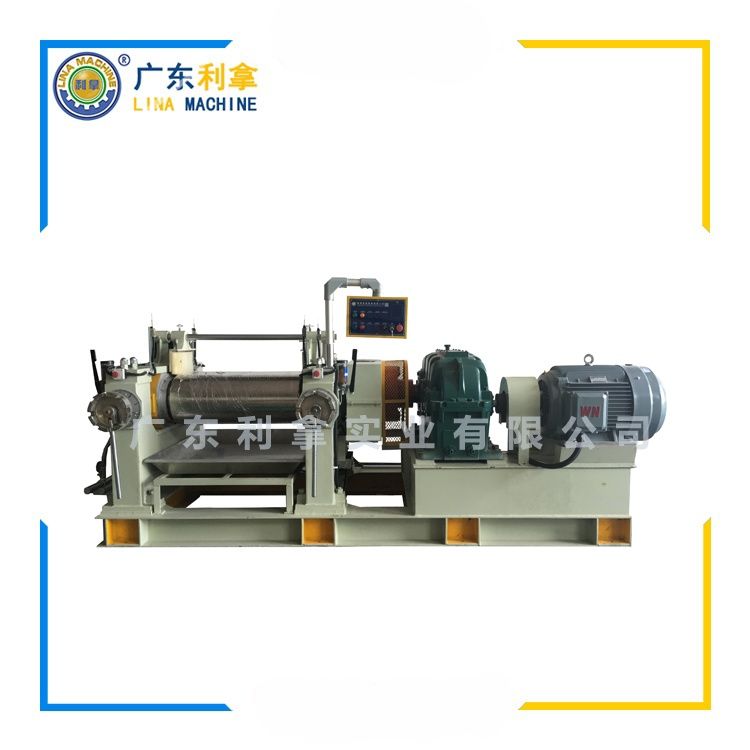
There are several types of two-roll mills, each with its unique features and applications. Here are a few examples:

a) Continuous two-roll mills: These are designed to continuously process large volumes of material, making them ideal for industrial-scale operations. They typically have a high capacity and can handle a wide range of polymers and additives.
b) Batch two-roll mills: These are smaller machines that are used for batch processing, which means they can handle only a limited amount of material at a time. They are often used in research and development labs or small-scale production facilities.
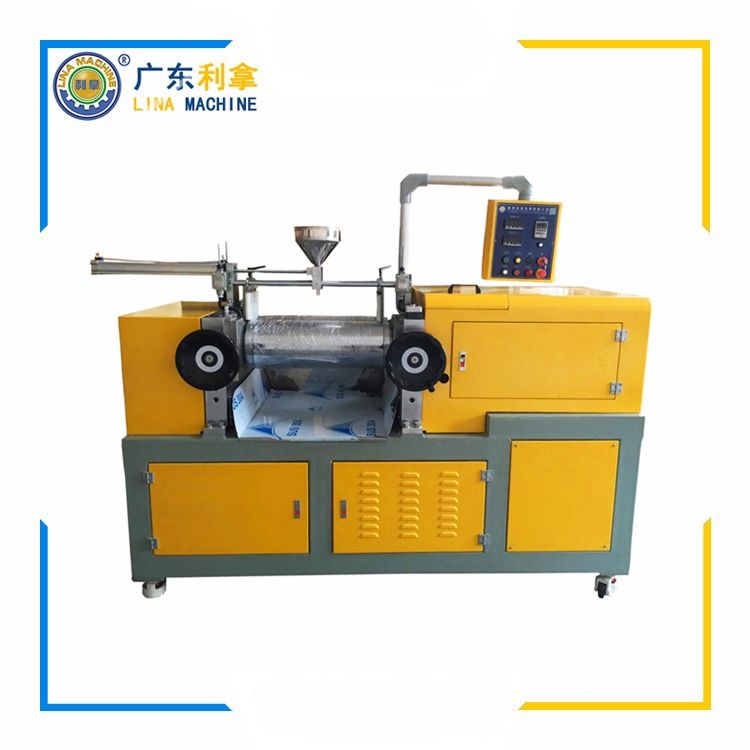
c) Single-roll mills: These are simpler versions of two-roll mills that consist of just one roller. They are often used for preliminary testing or when a single roller is sufficient to achieve the desired results.
3. Applications:
Two-roll mills are widely used in the rubber and plastic industry for the following reasons:
a) Versatile: They can be used to produce a wide range of products, from simple shapes like tubes and sheets to complex geometries like moldings and injection parts.
b) Cost-effective: Compared to other processing methods, two-roll mills offer significant cost savings due to their simplicity and efficiency.
c) Environmentally friendly: They use less energy and produce fewer waste products than other processes, making them an attractive option for sustainable manufacturing.
4. Maintenance Tips:
To ensure that your two-roll mill runs smoothly and efficiently, follow these maintenance tips:
a) Regular cleaning: Remove any accumulated debris from the rollers and other parts of the machine to prevent buildup that can affect performance.
b) Lubrication: Ensure that all moving parts are properly lubricated to reduce friction and extend the life of the machine.
c) Regular inspection: Schedule regular checks and maintenance to identify any issues early on before they become more costly to fix.
1. Two-roll mill
2. Rubber industry
3. Polymer chains
4. Extrusion die
5. Production efficiency
6. Energy savings
7. Sustainable manufacturing
8. Material handling
9. Machinery maintenance
10. Industry standards
The two-roll mill is a crucial component of the rubber and plastic industry, offering versatile and cost-effective solutions for mixing, kneading, and extruding materials. With its ability to produce a wide range of products, including simple shapes and complex geometries, it stands out as a reliable choice for both small-scale and large-scale production facilities. By following regular maintenance tips, you can ensure that your two-roll mill operates efficiently and safely, contributing to environmental sustainability and cost savings in the long run.