
The Art of Clay Particle Formation: An Overview of Ceramic Powder Grinding Machines
Clay powder is a critical component in the production of ceramics, and its quality directly affects the final product's strength, durability, and aesthetic appeal. To achieve the desired properties, it is essential to use specialized machinery known as ceramic powder grinding machines. These machines are designed to process raw clay materials into finely ground particles that can be molded into various shapes and sizes. In this article, we will explore the different types of ceramic powder grinding machines available and their unique features.
One of the most common types of ceramic powder grinding machines is the ball mill. This machine uses steel or metal balls to grind the clay powder, which helps in breaking down the larger particles into smaller ones. The grinding process is done in a rotating container, where the balls roll against each other and the walls of the container, causing friction and heat. This results in a finer particle size distribution and improved overall quality of the final product.
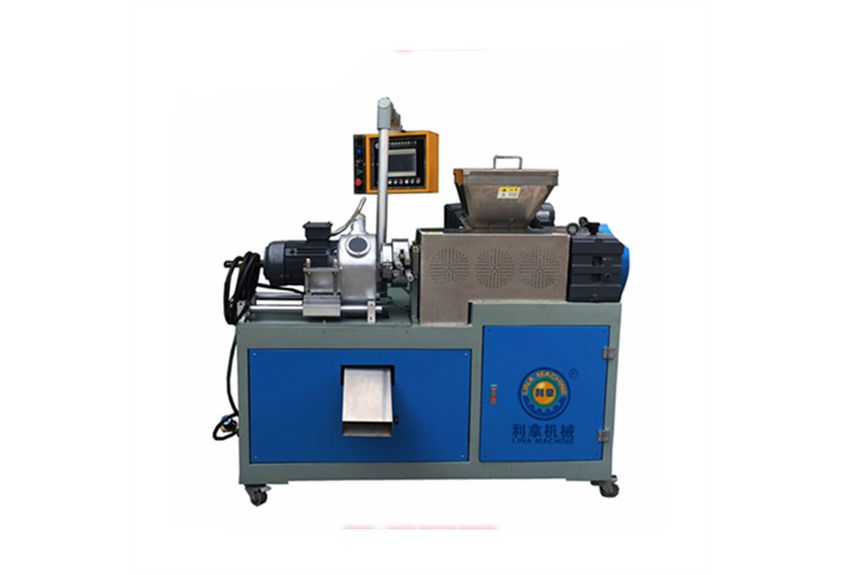
Another popular type of ceramic powder grinding machine is the rod mill. This machine uses long rods to crush the clay powder, which allows for more even particle size distribution. The rods are rotated at high speeds, causing them to strike the walls of the container and crush the material. The rod mill is particularly useful for producing high-quality ceramics with uniform particle sizes.
In addition to these traditional grinding machines, there are also modern technologies that have emerged in recent years. For example, ultrasonic grinding machines use high-frequency sound waves to break down the clay powder, resulting in a more uniform particle size distribution. This technology is particularly useful for processing complex shapes and miniaturized parts.
When selecting a ceramic powder grinding machine, it is important to consider factors such as the desired particle size, material handling capacity, and energy efficiency. Each machine has its own advantages and limitations, and choosing the right one will depend on the specific needs of the ceramic industry.
In conclusion, ceramic powder grinding machines play a crucial role in the production of high-quality ceramic products. By understanding the different types of machines available and their unique features, manufacturers can optimize their processes and produce superior ceramics that meet the demands of today's market.