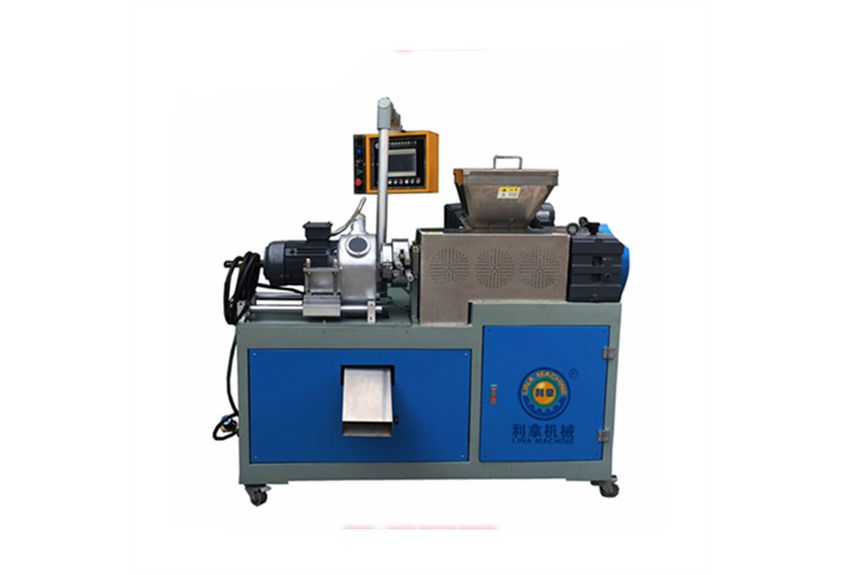
The Art of Particle Formation in Ceramic Powder Making Machines
Ceramic powder making machines play a crucial role in the production of ceramic materials. These machines are designed to process raw materials into finely dispersed ceramic powders, which are then used in various applications such as electronics, construction, and automotive industries. In this article, we will explore the different types of ceramic powder making machines, their working principles, and how they contribute to the success of ceramic production.
Firstly, there are two main types of ceramic powder making machines: ball milling machines and fluid bed milling machines. Ball milling machines use rotating balls to crush and grind the raw materials, while fluid bed milling machines use a fluid medium to facilitate the grinding process. Both types of machines have their advantages and disadvantages, but they serve different purposes in the ceramic production process.
Ball milling machines are commonly used for the initial stages of ceramic powder production, where raw materials are crushed and mixed together. These machines are simple to operate and require minimal maintenance, making them cost-effective for small-scale production. However, they may not be suitable for high-quality ceramic powders that require precise control over particle size and shape.
Fluid bed milling machines, on the other hand, are more advanced and capable of producing high-quality ceramic powders with controlled particle size distribution. These machines use a fluid medium to carry the grinding particles and prevent them from agglomeration. This results in a more uniform particle size distribution and improved mechanical properties of the final product. However, these machines are more complex to operate and require specialized equipment, making them more expensive than ball milling machines.
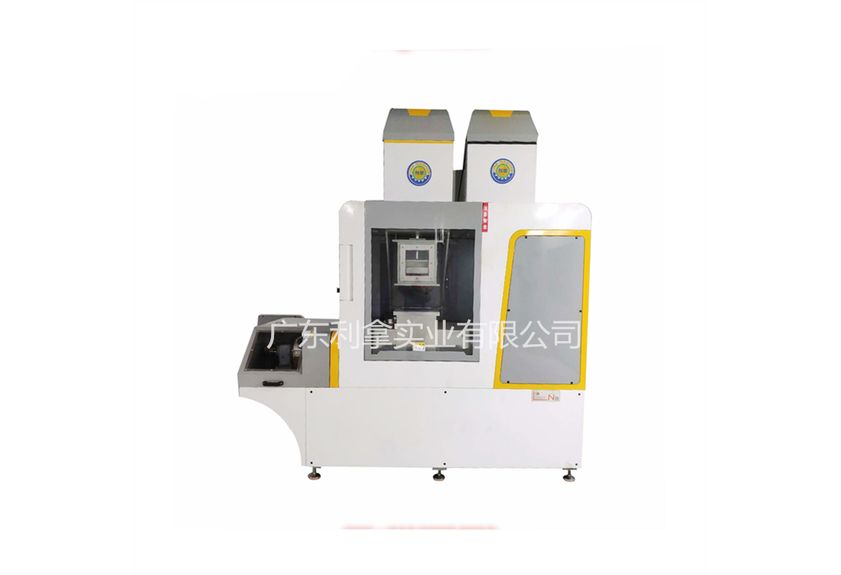
In addition to the type of machine, several factors can influence the quality of ceramic powder produced by a machine. These include the choice of raw materials, the grinding parameters (such as speed, pressure, and time), and the environmental conditions (such as temperature and humidity). By carefully controlling these variables, manufacturers can produce ceramic powders that meet specific requirements for their applications.
In conclusion, ceramic powder making machines play a vital role in the production of ceramic materials. By understanding the different types of machines available and their working principles, manufacturers can optimize their processes and produce high-quality ceramic powders that meet the needs of their customers.