
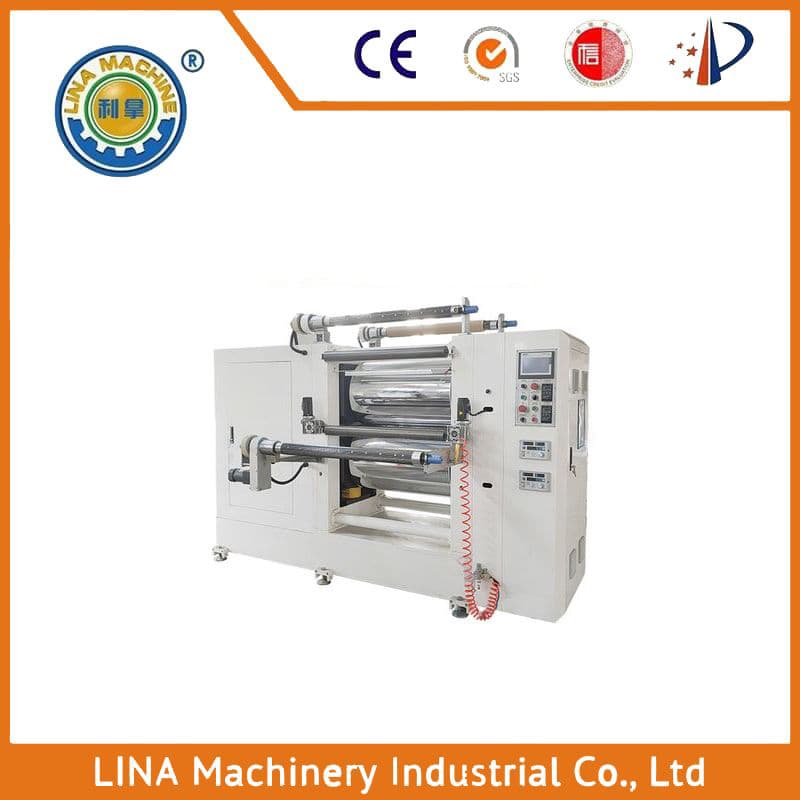
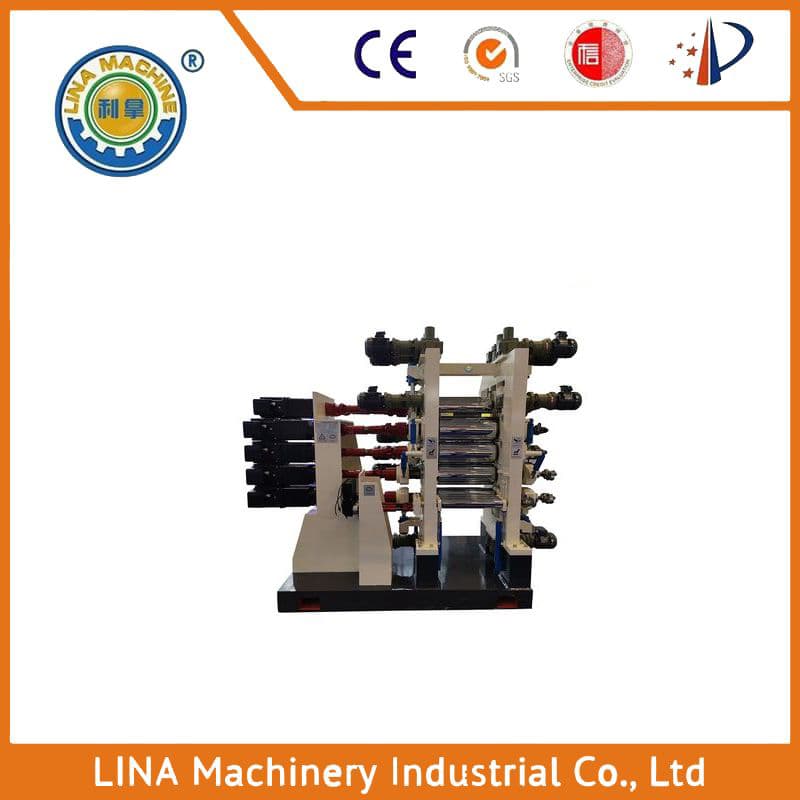
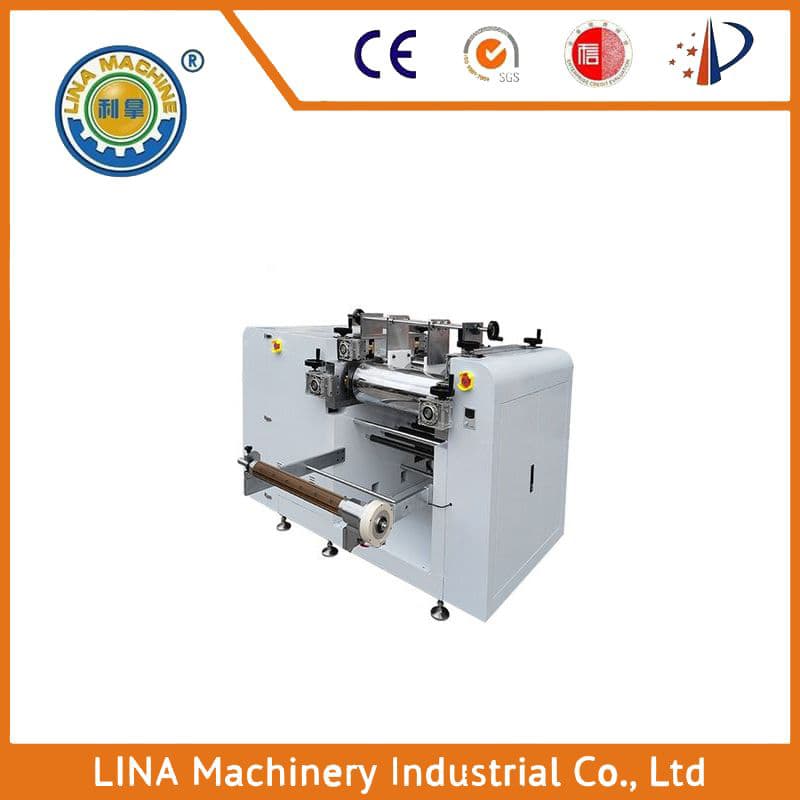
The Role of Melt Blown Particle Extruders in the Manufacturing Industry
Melt blown particle extrusion is a crucial process in the manufacturing industry, particularly in the production of medical and protective equipment. This technology involves the use of high-temperature melts to create small particles that are then extruded through a die into a uniform sheet. These sheets are then cooled and solidified to form a durable and flexible material.
One of the key benefits of melt blown particle extrusion is its ability to produce materials with high levels of porosity. This makes it ideal for applications such as surgical masks and face shields, where breathability and airflow are critical factors. Additionally, melt blown particle extrusion allows for the creation of materials with varying thicknesses and densities, which can be tailored to specific needs.
Another advantage of this technology is its ability to produce materials with a wide range of properties. By adjusting the temperature and pressure settings during the extrusion process, manufacturers can create materials with different mechanical strength, flexibility, and durability. This flexibility allows for the production of a wide range of products, from everyday household items to high-end industrial components.
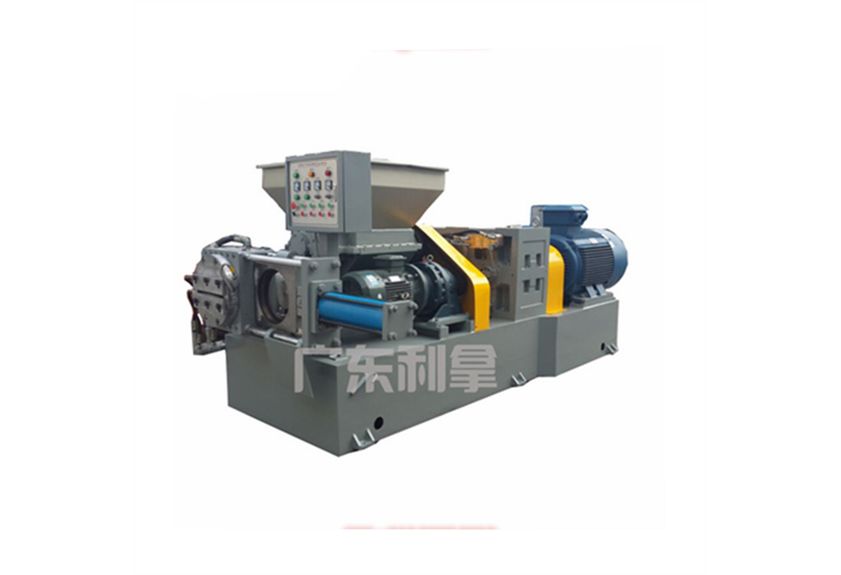
Despite its many benefits, melt blown particle extrusion does require some specialized equipment and expertise. However, with proper training and maintenance, manufacturers can achieve high levels of efficiency and consistency in their production processes. As the demand for medical and protective equipment continues to grow, the importance of melt blown particle extrusion in the manufacturing industry cannot be overstated.
