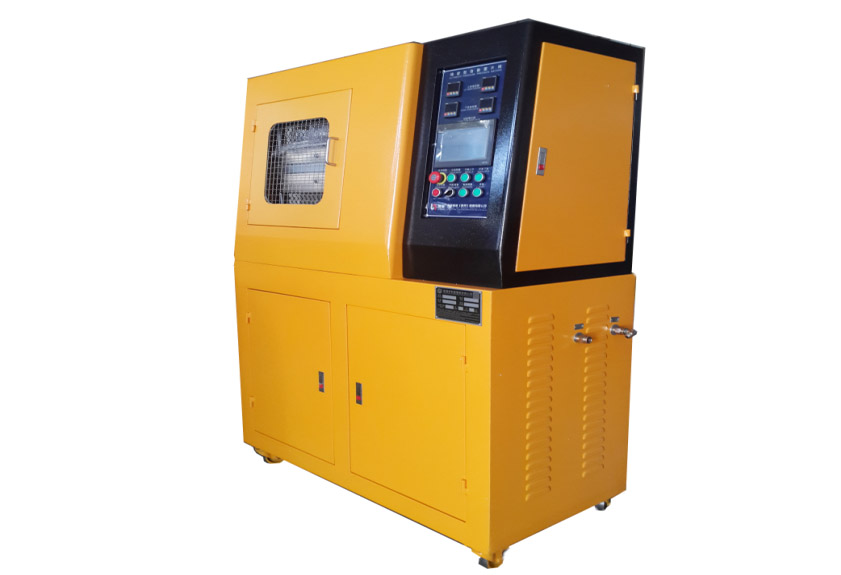
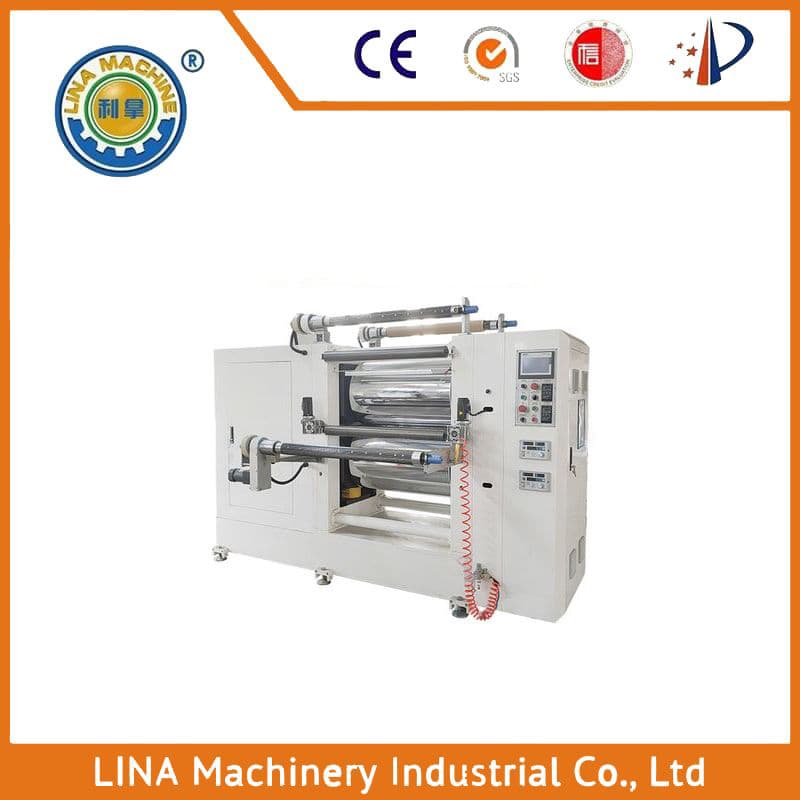
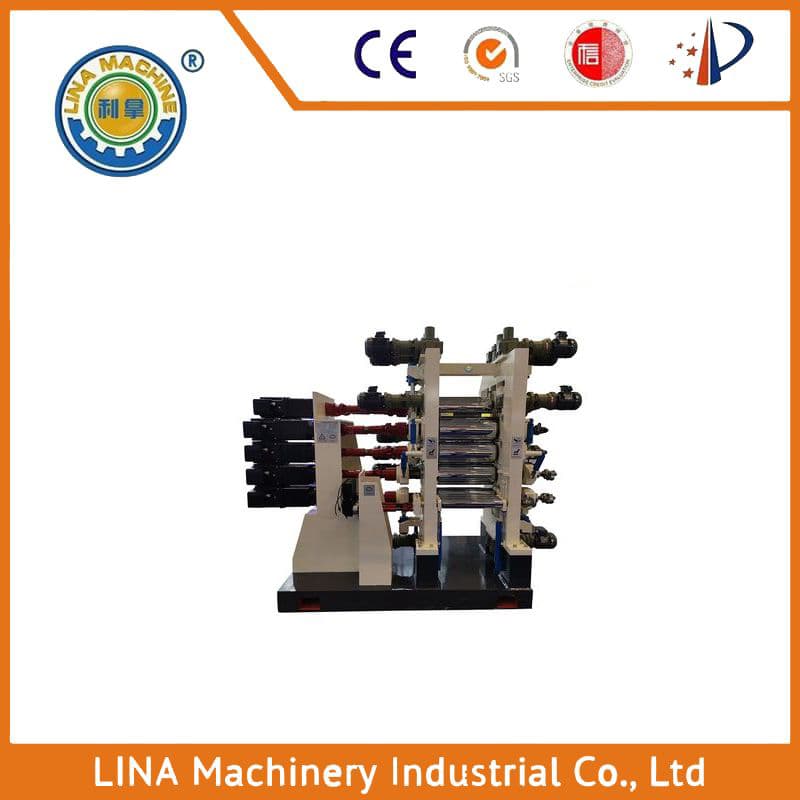
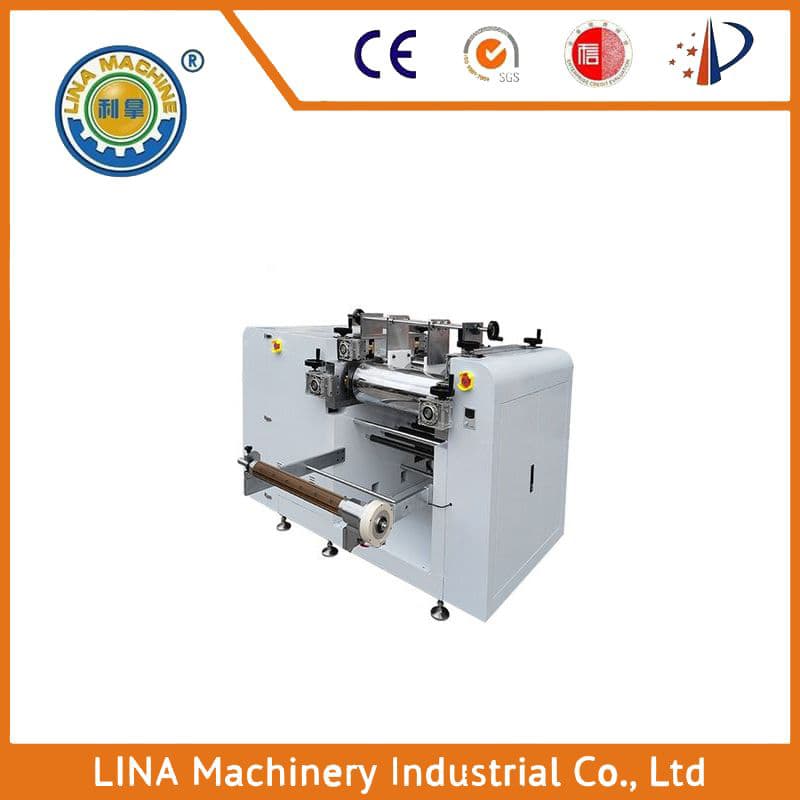
The Ultimate Guide to Electric Sulfurizing Machines
In the realm of industrial processes, the use of electric sulfurizing machines has become increasingly prevalent due to their efficiency and precision. These machines are designed to process a variety of materials, including metals, plastics, and composites, by subjecting them to a controlled sulfurization process. By doing so, they can enhance the properties of these materials, making them more resistant to corrosion, wear, and other forms of damage. In this article, we will explore the intricacies of electric sulfurizing machines, their benefits, and how they can be integrated into various industrial applications.
One of the most significant advantages of electric sulfurizing machines is their ability to process materials at high speeds and with minimal downtime. This is achieved through the use of advanced control systems that allow for precise temperature and pressure adjustments, ensuring that the sulfurization process is completed within the desired timeframe. Additionally, these machines are highly adaptable, allowing for the processing of a wide range of materials, from low-carbon steel to high-strength alloys.
Another critical feature of electric sulfurizing machines is their ability to produce a uniform sulfur layer on the surface of the material being processed. This is achieved through the use of specialized nozzles that deliver a fine mist of sulfur directly onto the material, ensuring that the sulfur is evenly distributed throughout the material's surface. This not only improves the material's mechanical properties but also reduces the risk of defects such as cracking or porosity.
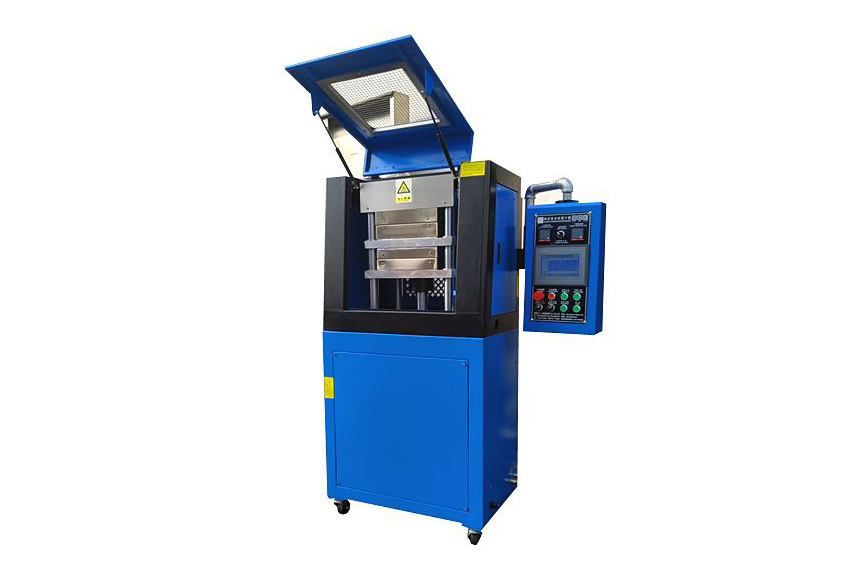
When it comes to integration into various industrial applications, electric sulfurizing machines have found a wide range of uses. For example, they are commonly used in the automotive industry to improve the corrosion resistance of aluminum alloys and steel components. In the aerospace industry, they are used to coat titanium alloys and other lightweight materials with a protective sulfur layer, enhancing their strength and durability. Additionally, electric sulfurizing machines are also employed in the manufacturing of electronic components, where they can be used to create a barrier layer on the surface of semiconductor wafers to protect them from environmental factors such as moisture and oxygen.
In conclusion, electric sulfurizing machines represent a powerful tool for improving the performance and durability of a wide range of materials. With their ability to process materials quickly and efficiently, produce a uniform sulfur layer on the material's surface, and integrate into a variety of industrial applications, these machines have become an essential component in many industries today. As technology continues to advance, we can expect to see even greater advancements in the design and application of electric sulfurizing machines, further enhancing their effectiveness and impact on the world of industrial processes.