



The Art of Molding Machines: Understanding the Power of Plastic Forming
In the realm of industrial manufacturing, molding machines stand as the backbone of plastic and metal processing. These sophisticated tools are capable of shaping materials into a myriad of shapes and sizes, from intricately detailed parts to massive structures that span entire cities. At their core, these machines rely on the principles of thermodynamics and mechanics to transform raw materials into finished products.
One of the most critical components of a molding machine is its ability to accurately control temperature and pressure. This is achieved through the use of precision sensors and feedback loops that monitor the progress of the forming process. By adjusting the temperature and pressure in real-time, the machine can ensure that each part is formed with the desired consistency and quality.
Another key feature of molding machines is their ability to handle a wide range of materials. From high-density plastics to exotic metals, these machines can adapt to a variety of inputs, making them ideal for a wide range of applications. Whether you're creating custom parts for aerospace or building sturdy furniture for your home, a molding machine can help you achieve your goals.
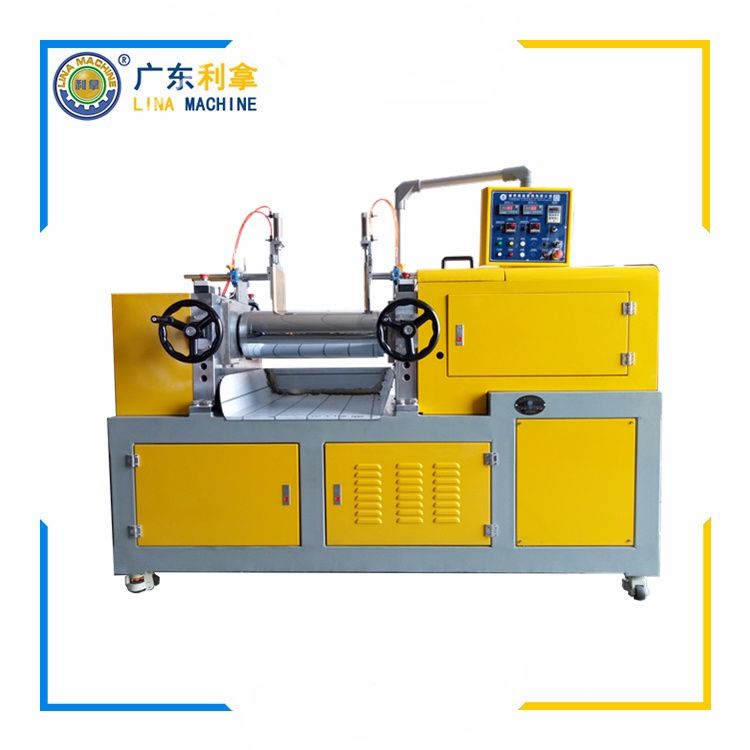
But beyond their technical capabilities, molding machines also play a crucial role in the economy. They are responsible for producing millions of dollars in goods every year, from automotive parts to electronics and appliances. By driving innovation and productivity, these machines have helped drive economic growth and job creation across the globe.
As we continue to push the boundaries of what's possible with molding machines, it's important to remember that they are just one tool in a larger toolkit. By working together with other technologies and processes, we can create even more advanced and efficient solutions for our customers.