



The Art of Mixing: An Insight into the World of Mixing Machines
Mixing machines are an integral part of industrial processes, enabling the blending and homogenization of materials. These machines play a crucial role in various industries such as food processing, pharmaceuticals, and chemical manufacturing. In this article, we will explore the different types of mixing machines, their applications, and some tips for selecting the right one for your needs.
Types of Mixing Machines:
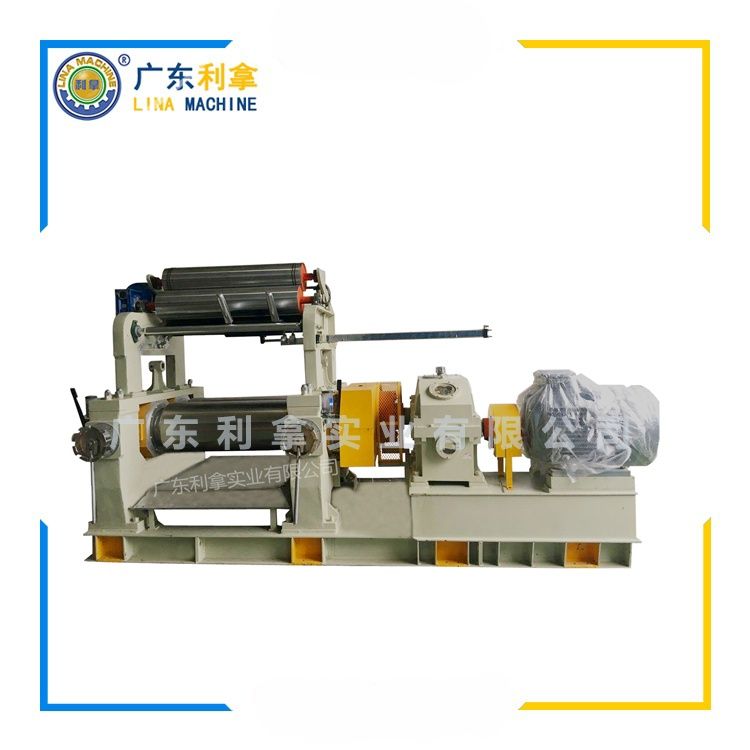
1. Homogenizers: Homogenizers are used to mix two or more fluids at high speeds to achieve uniform distribution. They are commonly used in food and beverage industries to ensure consistency in products like milkshakes and smoothies.
2. Kneaders: Kneaders are used in the food industry to mix dough ingredients such as flour, water, and fat. They help in creating a smooth texture and prevent air bubbles from forming.

3. Stirrers: Stirrers are used in chemical and pharmaceutical industries to mix solids with liquids or gases. They are essential for dissolving chemicals and ensuring proper mixing of reactants.
4. Mills: Mills are used in grinding and mixing materials such as grains, beans, and nuts. They are designed to produce finely ground powders that can be used in various applications.
Applications of Mixing Machines:
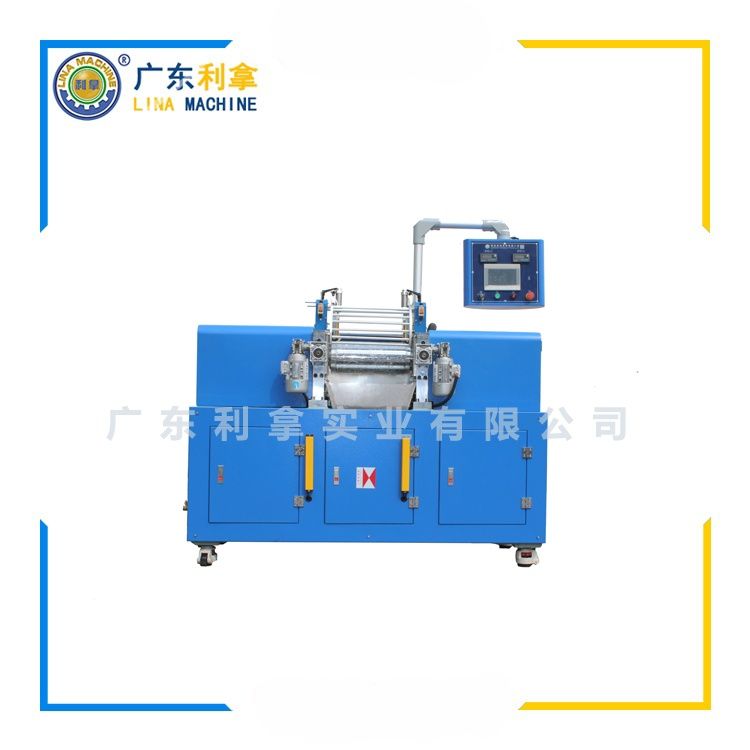
1. Food Processing: Homogenizers are used in food processing to create uniformly mixed products like ice cream, yogurt, and sauces. Kneaders are used to mix dough ingredients before baking or frying.
2. Chemical Manufacturing: Stirrers are used in chemical manufacturing to mix reactants and produce desired products. Mills are used to grind chemicals for further processing.
3. Textile Industry: Stirrers are used in the textile industry to mix fibers and dyes to create fabrics with desired properties.
Tips for Selecting the Right Mixing Machine:
1. Determine the type of material you need to mix based on its properties (fluid vs. solid).
2. Consider the size of the machine required based on the volume of material you need to handle.
3. Evaluate the speed and power requirements of the machine to ensure it meets your production needs.
4. Research customer reviews and ratings to get an idea of the reliability and performance of different brands.
In conclusion, mixing machines play a vital role in various industries by ensuring the uniform distribution of materials. By understanding the different types of mixing machines and their applications, you can select the right one for your specific needs.