




Precision Rolling Machine for PCM Thermal Conductive Phase Change Materials
In the field of electronics and energy storage, precision materials play a crucial role in enhancing efficiency and reliability. One such material is the phase change material (PCM), which undergoes a reversible phase transition from a solid to a liquid state when exposed to a specific temperature range. This property makes it ideal for applications such as thermal management in electronic devices, solar panels, and heat pumps.
To produce high-quality PCM materials, precision rolling machines are essential tools that ensure consistent and accurate production. These machines use advanced technology to roll sheets of PCM material into thin films with precise thickness and uniformity. The process involves feeding the raw material through a roller system, which applies pressure and heat to the material while it is being rolled. This results in the formation of a continuous film with a smooth surface and controlled thickness.
The precision of the machine's operation is critical in ensuring the quality of the PCM films produced. Advanced sensors and control systems monitor the process parameters such as temperature, pressure, and speed, allowing for precise adjustments to achieve optimal results. This ensures that each film has consistent properties, including thermal conductivity, which is crucial for effective heat transfer in electronic devices.
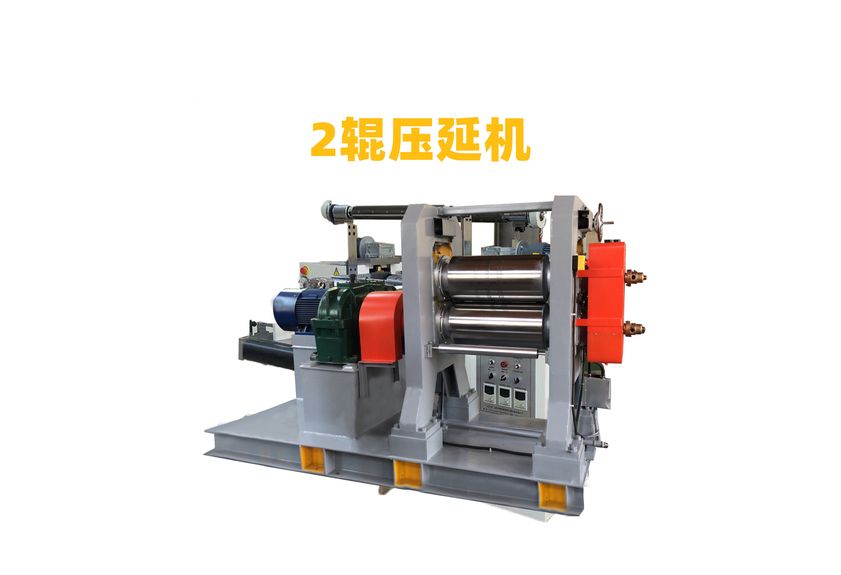
In addition to their technical benefits, precision rolling machines also contribute to environmental sustainability by reducing waste and energy consumption. By using renewable energy sources and implementing efficient manufacturing processes, these machines help minimize the carbon footprint associated with PCM production.
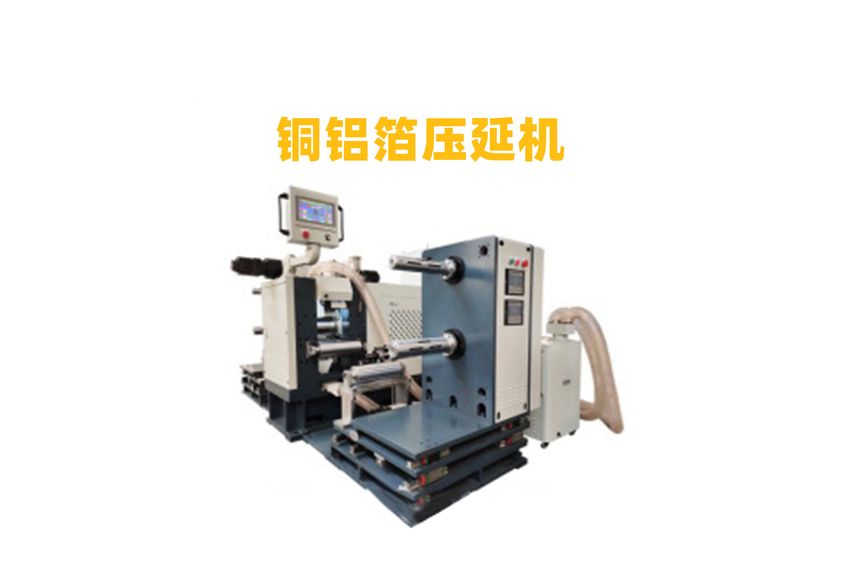
Overall, precision rolling machines play a vital role in the production of PCM thermal conductive phase change materials. Their ability to produce high-quality films with consistent properties ensures reliable performance in various applications, while their environmentally friendly practices contribute to a more sustainable future.