

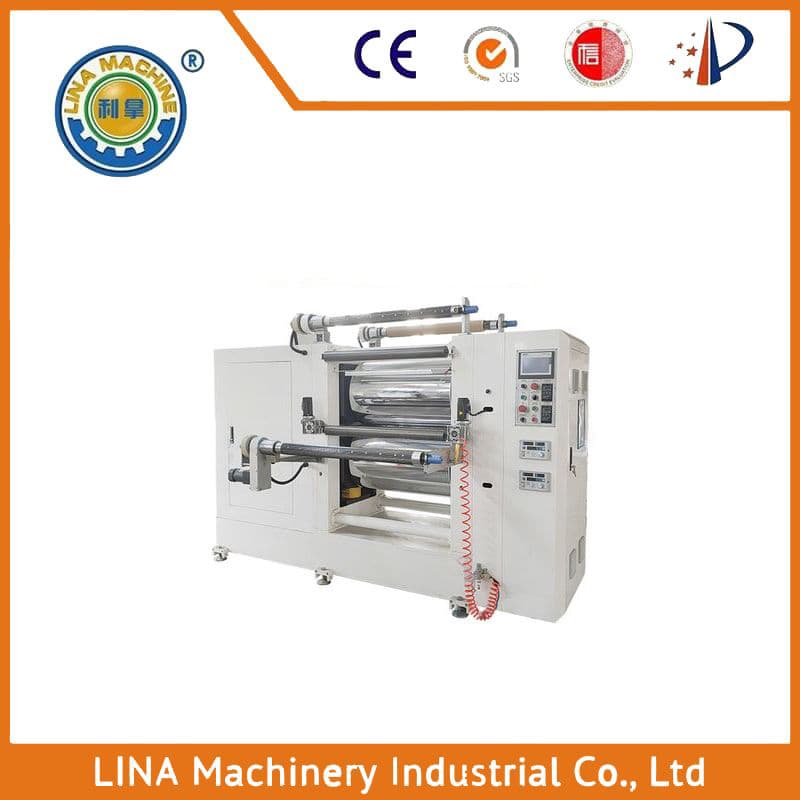
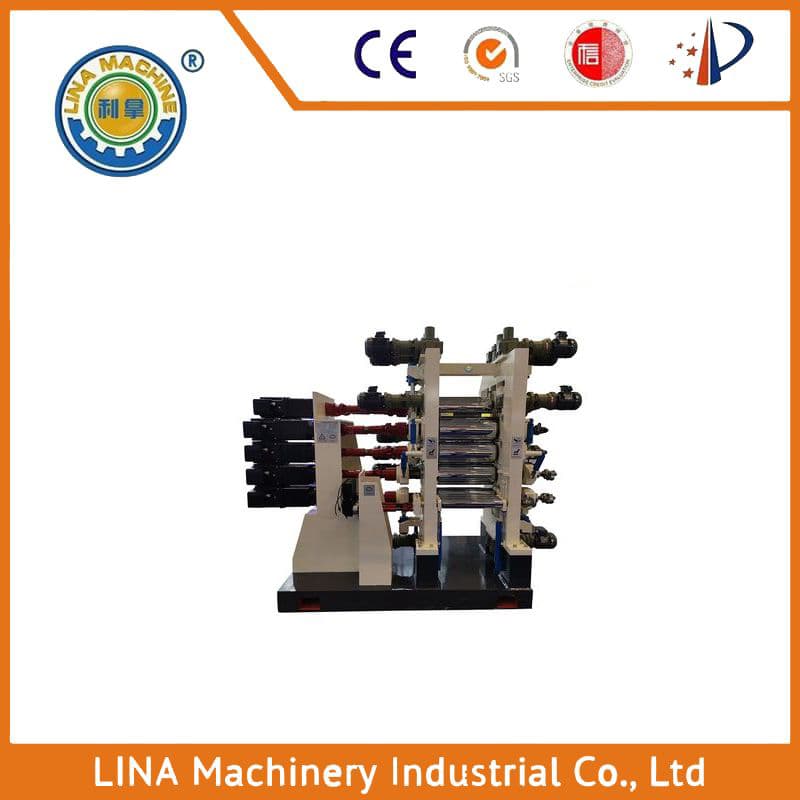
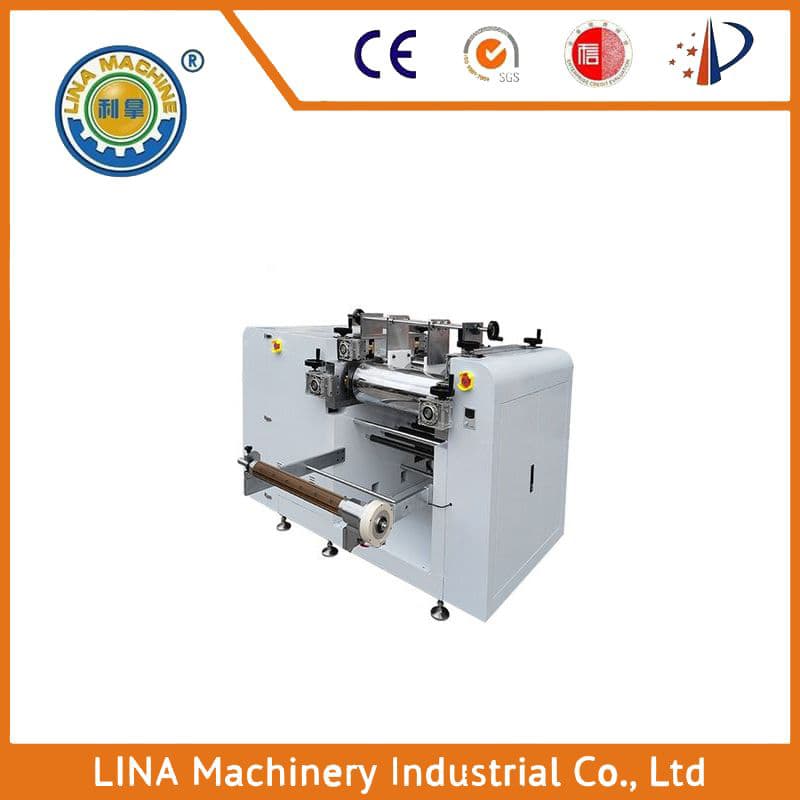
The Art of Particle Formation in Ceramic Powder Making Machines
Ceramic powder making machines are essential tools in the manufacturing industry, particularly in the ceramics sector. These machines play a crucial role in transforming raw materials into high-quality ceramic powders that can be used for various applications such as electronics, automotive, and construction. In this article, we will explore the art of particle formation in ceramic powder making machines and how they contribute to the success of ceramic products.
The first step in the process is the preparation of raw materials. The raw materials used in ceramic powder making machines include clay, feldspar, and other minerals. These materials are mixed together to form a paste that can be molded and fired at high temperatures to produce ceramic bodies. The quality of the raw materials plays a significant role in determining the final product's strength, durability, and aesthetic appeal.
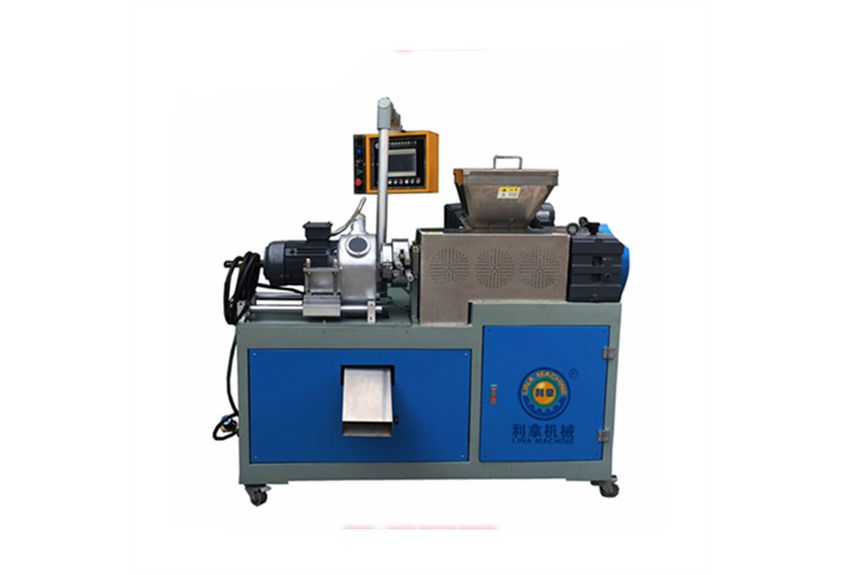
Once the raw materials are prepared, the next step is to feed them into the ceramic powder making machine. The machine consists of several components, including a hopper, a conveyor belt, a rotary drum, and a cyclone separator. The raw materials are fed into the hopper, which is then transported to the rotary drum. As the drum rotates, the raw materials are subjected to heat and pressure, causing them to break down into smaller particles. This process is known as milling or grinding.
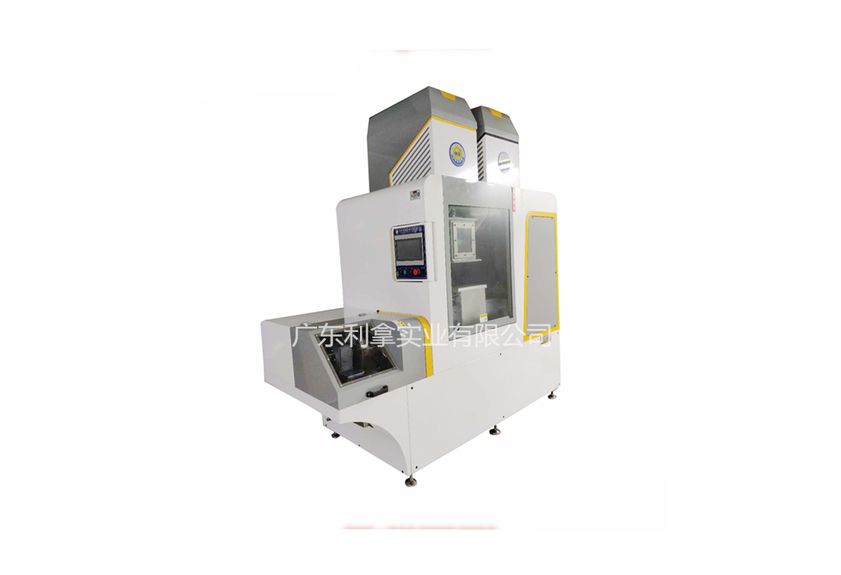
The resulting powder is then collected by the cyclone separator, which separates the fine particles from the larger ones. The fine particles are collected in a container, while the larger particles are returned to the rotary drum for further processing. This process continues until the desired particle size is achieved.
The quality of the ceramic powder produced by the ceramic powder making machine depends on several factors, including the temperature and pressure applied during milling, the speed of rotation of the drum, and the efficiency of the cyclone separator. To achieve optimal results, manufacturers use advanced technology and equipment to control these parameters and ensure consistent quality throughout the entire process.
In conclusion, ceramic powder making machines play a vital role in the manufacturing industry, particularly in the ceramics sector. By understanding the art of particle formation and controlling the various factors involved in the process, manufacturers can produce high-quality ceramic powders that meet the needs of their customers. With advancements in technology and innovation, the future of ceramic powder making machines looks promising, and we can expect to see even more sophisticated machines that will continue to revolutionize the ceramics industry.