




Advanced Technology in Powder Metallurgy - The Role of Closed Mold Compacting Machines
In the realm of metallurgical engineering, powder metallurgy is a process that involves the compaction of metallic powders into a desired shape using various techniques. One such technique is the use of closed mold compacting machines, which are integral to the production of high-quality and precise parts. These machines play a crucial role in the manufacturing process by providing a controlled environment for the compaction of powders, resulting in a stronger and more durable product. In this article, we will explore the features, benefits, and applications of these advanced technology tools in the field of powder metallurgy.
Firstly, let us delve into the features of closed mold compacting machines. These machines are designed to provide a uniform and consistent compaction of powders, ensuring that the final product meets the required specifications. They are equipped with advanced control systems that allow for precise temperature regulation, pressure adjustment, and time duration settings, enabling the operator to customize the compaction process according to the specific requirements of the part being produced. Additionally, many modern models come with built-in sensors and monitoring systems that can detect any deviations from the optimal conditions during the compaction process, allowing for immediate corrections to maintain consistency and quality.
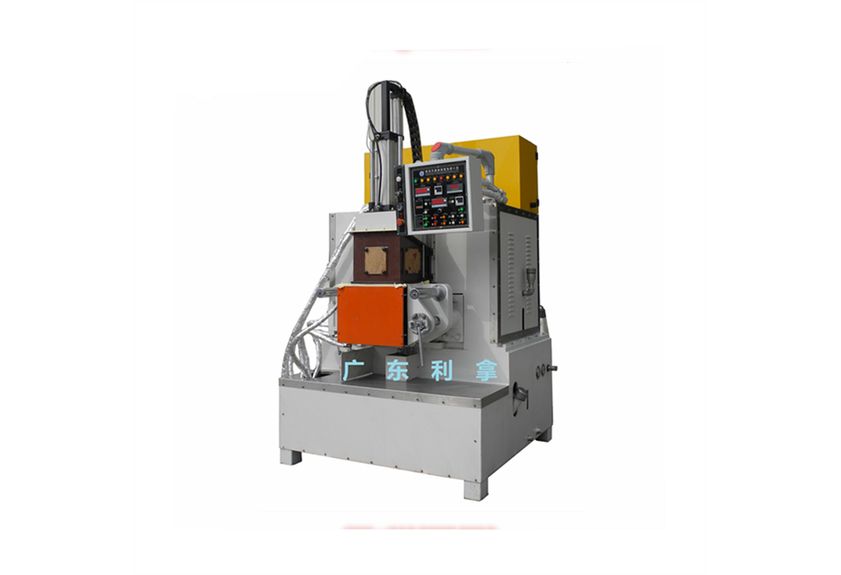
The benefits of using closed mold compacting machines in the powder metallurgy industry cannot be overstated. Firstly, they significantly reduce the risk of defects in the final product, as the compaction process is tightly controlled and monitored. This results in a higher yield rate and reduced scrap, ultimately saving time and resources. Secondly, closed mold compacting machines enable the production of complex shapes and intricate designs, which are difficult or impossible to achieve using traditional methods. This flexibility allows for the creation of parts that would otherwise require multiple steps or specialized equipment, making them more cost-effective and efficient. Finally, the use of closed mold compacting machines promotes automation and precision, reducing the need for manual intervention and minimizing human error.
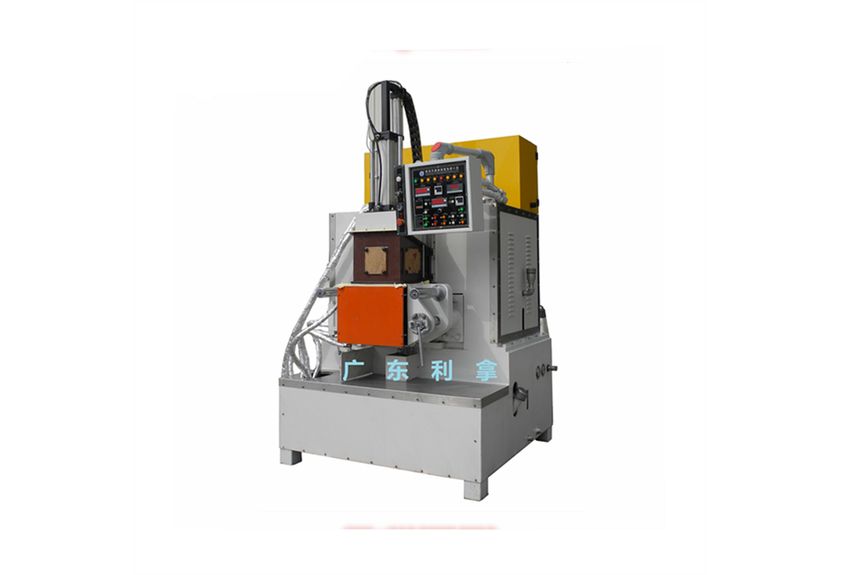
Now, let's turn our attention to the applications of closed mold compacting machines in the powder metallurgy industry. These machines are widely used in industries such as automotive, aerospace, electronics, and medical devices, where the production of high-quality and durable components is essential. In the automotive industry, closed mold compacting machines are used to produce engine blocks, transmission parts, and other critical components that must withstand extreme temperatures and vibrations. In the aerospace industry, they are employed to produce lightweight yet strong materials like titanium alloys and aluminum alloys, which are essential for aircraft construction. In the electronics industry, closed mold compacting machines are used to produce circuit boards, connectors, and other electronic components that require high precision and reliability. In the medical device industry, they are used to produce implants, surgical instruments, and other medical equipment that must withstand harsh conditions and long-term use.
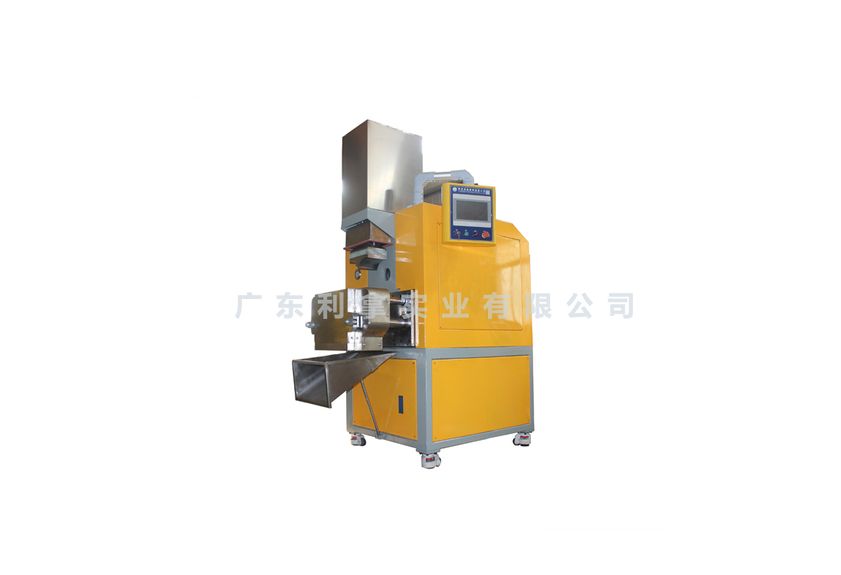
In conclusion, closed mold compacting machines represent a significant advancement in the field of powder metallurgy. With their ability to provide a uniform and consistent compaction of powders, minimize defects, and facilitate the production of complex shapes, these machines have revolutionized the way we manufacture high-quality and durable parts. As technology continues to advance, we can expect to see even more innovative and sophisticated models of closed mold compacting machines emerge, further enhancing the efficiency and effectiveness of the powder metallurgy industry.