




Title: The Laboratory Mixer - ...
Title: The Laboratory Mixer - An Essential Tool for Chemical and Materials Science
In the realm of laboratory research, the laboratory mixer stands as a cornerstone in the process of creating homogeneous mixtures. This versatile tool is not just a mere appliance; it's a vital component that ensures the accuracy and efficiency of chemical reactions, material synthesis, and various other scientific endeavors.
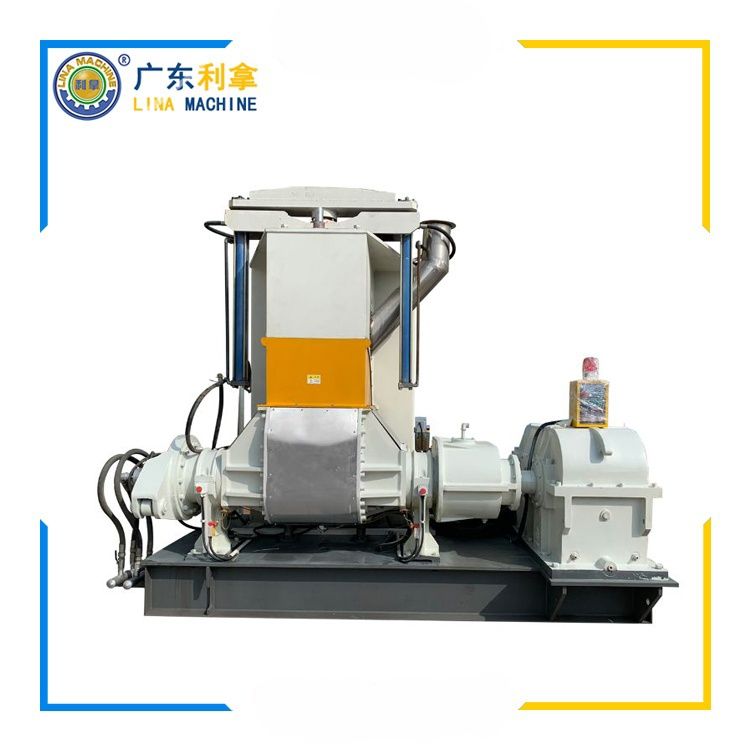
The Laboratory Mixer: A Comprehensive Guide to Its Functions and Applications

At its core, the laboratory mixer serves as a powerful tool for mixing and homogenizing substances. It's designed to handle a wide range of materials, from simple liquids and solids to complex mixtures containing gases or even nanoparticles. The mixer's ability to precisely control the temperature, pressure, and mixing speed allows researchers to achieve the desired level of homogeneity without compromising the integrity of the samples.
One of the key features of a laboratory mixer is its ability to perform multiple functions simultaneously. For instance, some models can be equipped with heating elements, stirring bars, and even ultrasound generators, allowing researchers to conduct experiments that require high-energy inputs or specialized conditions. Additionally, many mixers come with built-in software that can automate the mixing process, saving time and effort while ensuring consistency in results.
Another crucial aspect of the laboratory mixer is its portability. Many modern models are designed to be compact and lightweight, making them easy to move around the lab or transport to different locations where necessary. This flexibility is especially important when working with fragile or hazardous materials, as it allows researchers to work safely and efficiently without sacrificing mobility.
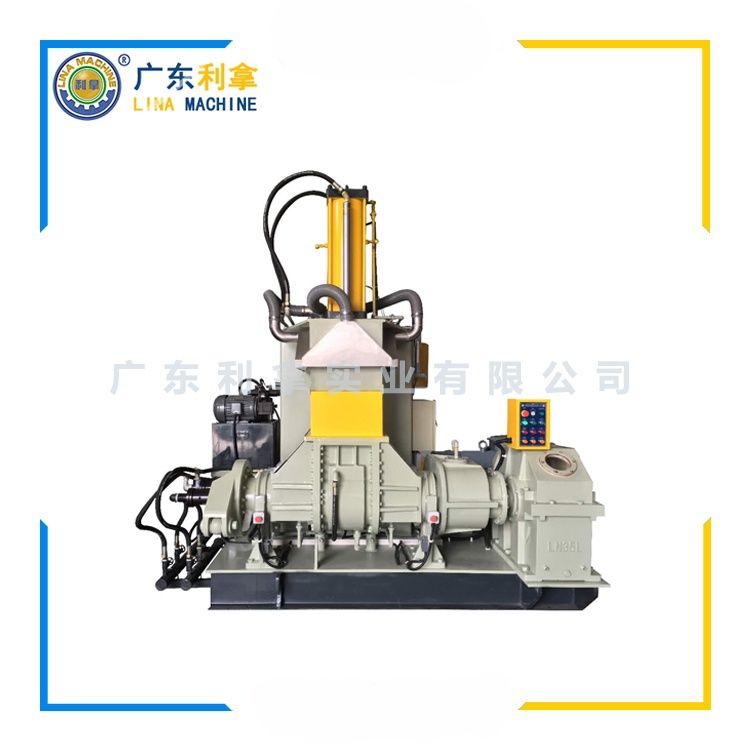
The Future of Laboratory Mixers: Innovation and Advancements
As science continues to advance, so does the capabilities of laboratory mixers. In recent years, there has been a growing trend towards more advanced and sophisticated models that offer even greater flexibility and precision. For example, some newer models now come with integrated sensors that can monitor the temperature and pressure during the mixing process, providing valuable data for further analysis.
Moreover, advancements in automation technology have made it possible for laboratory mixers to operate more efficiently and effectively. With the help of smart algorithms and user-friendly interfaces, researchers can now easily program their mixers to perform specific tasks, saving time and reducing errors.
In conclusion, the laboratory mixer is more than just a tool; it's a critical component in the research process. Whether you're a chemist, materials scientist, or any other scientist who relies on precise mixing techniques, investing in a quality laboratory mixer is essential. By understanding its functions, applications, and future advancements, you can ensure that your research is conducted with the utmost efficiency and accuracy. So why wait? Invest in a reliable laboratory mixer today and unlock the full potential of your scientific endeavors!