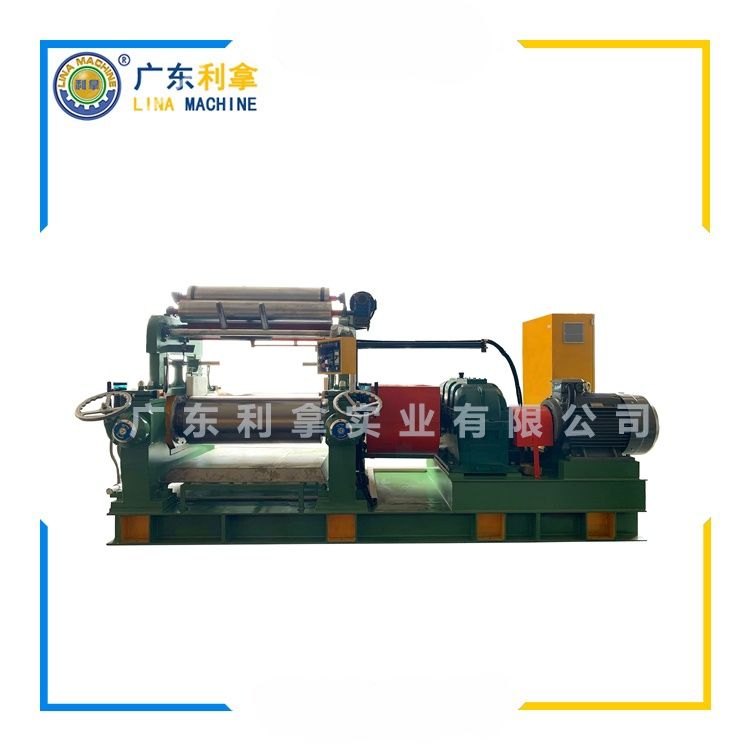



The Role of Pressing and Rolling Mills in the Manufacture of Plastic Films
Pressing and rolling mills are essential tools in the production of plastic films, which are widely used in various industries such as packaging, construction, and transportation. These machines play a crucial role in converting raw materials into high-quality plastic films with specific properties, such as strength, flexibility, and durability.
The pressing process involves compressing two or more sheets of plastic material together under high pressure to form a uniform sheet. This process is crucial in ensuring that the plastic film has a consistent thickness and quality throughout its entire length. The pressing machine typically consists of a die, which defines the desired shape and size of the plastic film, and a press, which applies the required pressure to the die.
The rolling process, on the other hand, involves rolling the plastic film between two rollers to remove any wrinkles or imperfections and achieve a smooth surface. This process is essential in improving the appearance and quality of the plastic film. The rolling machine typically consists of a pair of rollers that rotate at different speeds to produce the desired texture and gloss.
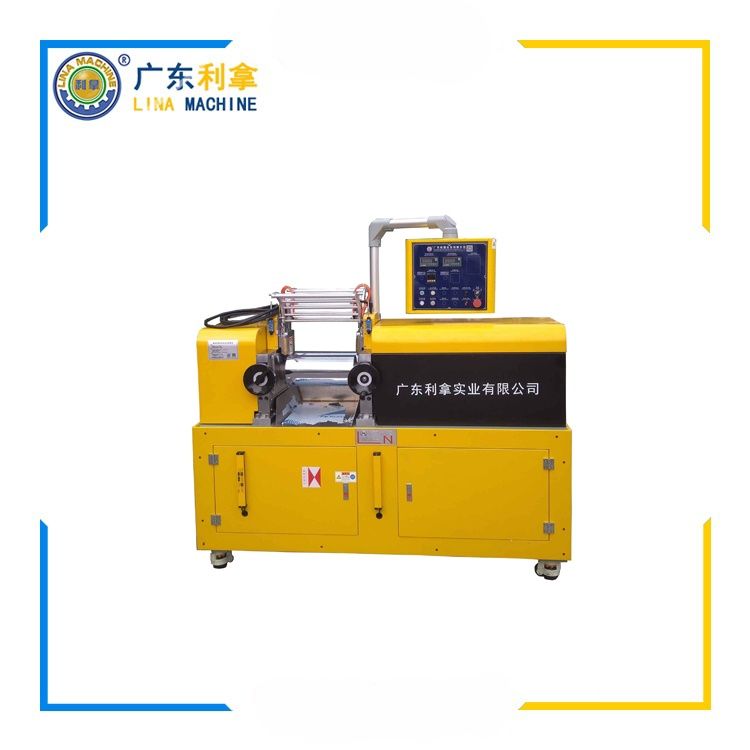
In addition to these two processes, many modern press and rolling mills also incorporate additional features such as heating systems, cooling units, and automated control systems. These features help to improve the efficiency and productivity of the machines, while also reducing waste and minimizing energy consumption.
Overall, press and rolling mills play a vital role in the manufacturing of plastic films, and their continued development and innovation will continue to drive the growth of the plastic film industry. As technology advances, we can expect to see even more advanced and efficient machines that will enable us to produce higher quality plastic films at lower costs.