

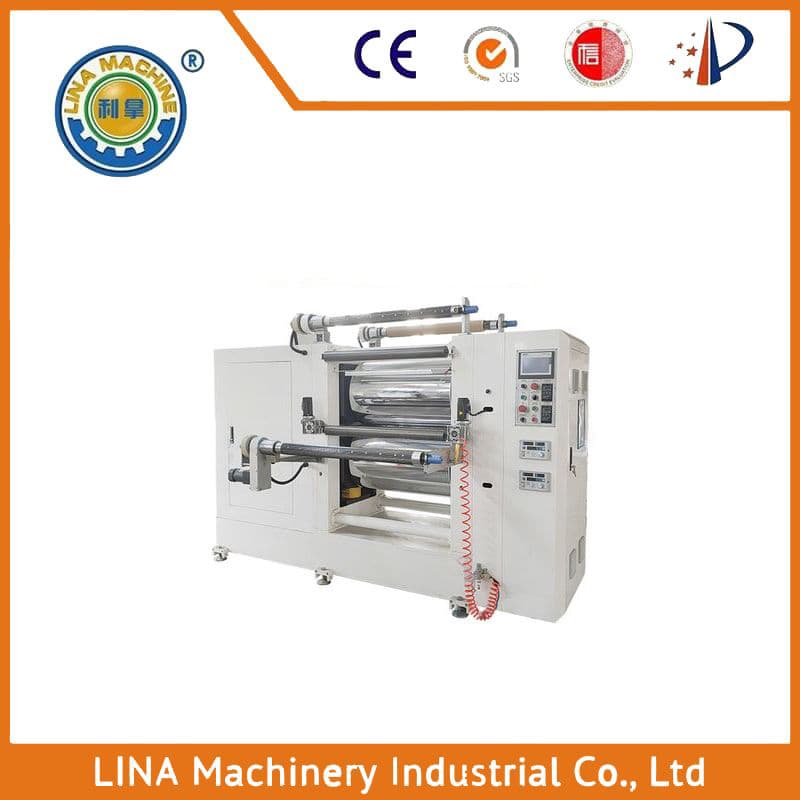
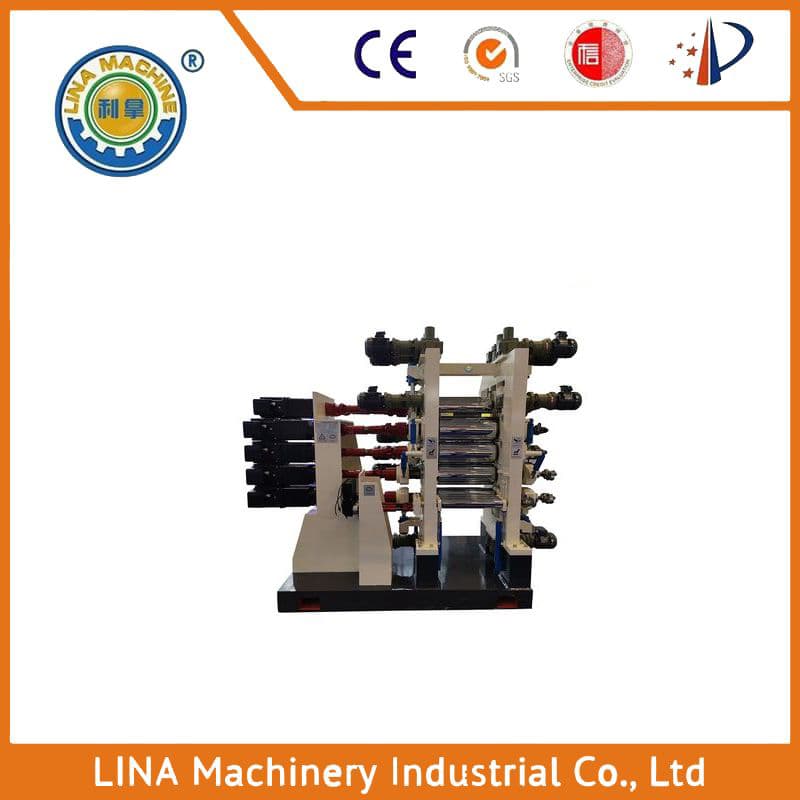
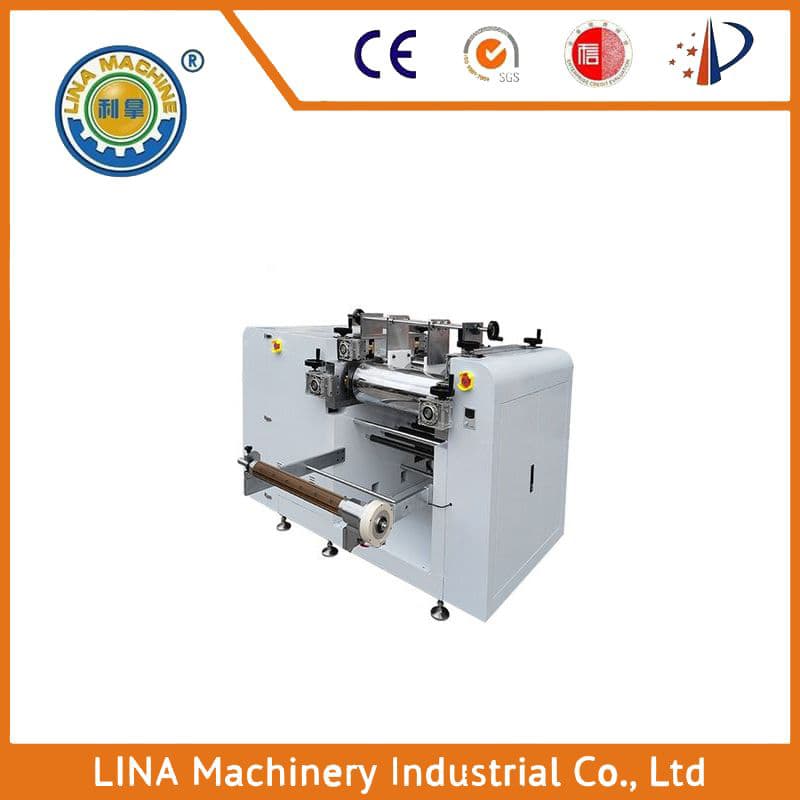
The Laboratory Rolling Mill: A Key Tool in the Laboratory
The laboratory rolling mill is a crucial tool in the laboratory, used for various purposes such as mixing, kneading, and shaping materials. It is an essential piece of equipment that enables scientists and engineers to produce high-quality products with precision and efficiency. In this article, we will explore the features, benefits, and applications of the laboratory rolling mill.
Features of the Laboratory Rolling Mill:

1. Material Handling Capacity: The laboratory rolling mill has a large material handling capacity, allowing it to handle a wide range of materials without any limitations. This makes it ideal for use in laboratories where multiple samples need to be processed simultaneously.
2. Easy to Use: The rolling mill is easy to operate, even for beginners. It comes with a user-friendly interface that allows users to easily set up the machine and monitor its performance. Additionally, the machine is designed with safety features that ensure that it operates safely and efficiently.
3. Versatile Applications: The laboratory rolling mill can be used for a variety of applications, including mixing, kneading, shaping, and compounding. It can also be used for other purposes such as grinding, polishing, and cutting.
Benefits of the Laboratory Rolling Mill:
1. Cost-Effectiveness: The laboratory rolling mill is cost-effective, as it requires minimal maintenance and replacement parts. This makes it an economical option for laboratories that need to process a large number of samples.
2. Precision: The rolling mill is highly precise, ensuring that the samples produced meet the desired specifications. This helps to improve the quality of the products and reduces waste.
3. Efficiency: The laboratory rolling mill is highly efficient, as it can process a large number of samples quickly. This saves time and money, making it an ideal choice for laboratories that need to produce a large volume of samples.
Applications of the Laboratory Rolling Mill:
1. Chemical Engineering: The laboratory rolling mill is widely used in chemical engineering, where it is used to mix, knead, and shape various chemicals. This makes it an essential tool for researchers and engineers who work in the field of chemical engineering.
2. Biomedical Sciences: The laboratory rolling mill is also used in biomedical sciences, where it is used to mix, knead, and shape various biological samples. This makes it an ideal tool for researchers who are working on various biological projects.
3. Material Science: The laboratory rolling mill is used in material science, where it is used to mix, knead, and shape various materials. This makes it an essential tool for researchers who are working on various material projects.
In conclusion, the laboratory rolling mill is a versatile and essential tool that can be used in various applications. Its features, benefits, and applications make it an ideal choice for laboratories that need to produce high-quality products with precision and efficiency. Whether you are a researcher or an engineer, the laboratory rolling mill is a must-have tool that will help you achieve your goals faster and more efficiently.