


The Art of Molding Machines: Understanding the Intricacies of Plastic Processing
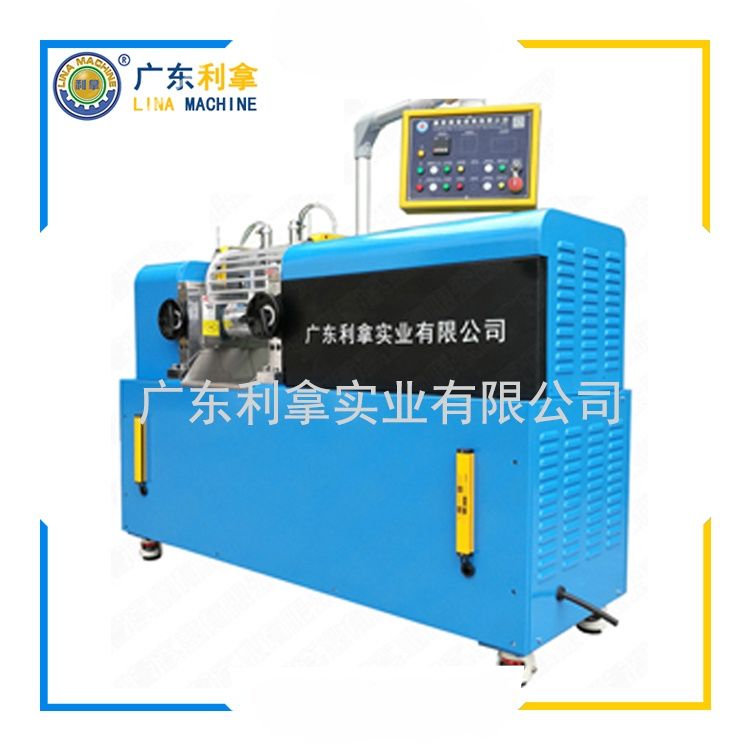
In the realm of industrial manufacturing, molding machines play a crucial role in shaping and forming plastic materials into various products. These machines are designed to handle a wide range of thermoplastics, including polyethylene, polypropylene, and high-density polyethylene, among others. They are essential tools for industries such as automotive, electronics, and construction, where precision and consistency are paramount.
The process of molding involves feeding the raw material into the machine, which then heats it to its melting point. This molten plastic is then forced through a die or mold cavity, where it solidifies into the desired shape. The molding machine's ability to control the temperature and pressure during this process is critical to achieving the required quality and accuracy of the final product.
One of the key features of modern molding machines is their ability to produce complex shapes with minimal waste. This is achieved through the use of computer-aided design (CAD) software, which allows engineers to create detailed drawings of the part they want to produce. These drawings are then used to program the machine's movements and adjust the parameters accordingly.
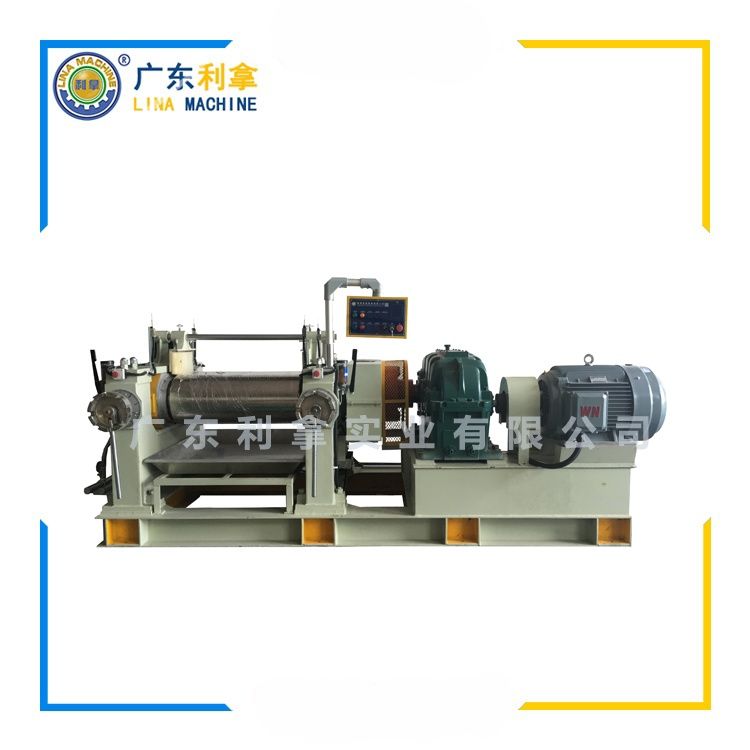
Another important aspect of molding machines is their ability to adapt to changing market demands. As new materials and technologies emerge, molding machines must be updated to incorporate these advancements. For example, some machines now have the capability to produce parts from recycled plastic, making them more environmentally friendly.
In conclusion, molding machines are an integral part of the manufacturing process, enabling companies to produce high-quality plastic products with precision and consistency. As technology continues to advance, we can expect to see even more sophisticated and efficient molding machines on the market, helping businesses stay competitive in today's global marketplace.