




The Role of Mass Production Type Mixing Machines in the Manufacturing Industry
In the manufacturing industry, the production of high-quality products relies heavily on the efficiency and consistency of processes. One crucial component that contributes to this efficiency is the mass production type mixing machine. These machines are designed to handle large quantities of materials in a controlled environment, ensuring uniform mixing and consistent quality throughout the entire process.
The first step in understanding the importance of mass production type mixing machines is their ability to handle large volumes of material. Unlike smaller scale machines, these machines can process multiple batches simultaneously, reducing downtime and increasing overall productivity. This is particularly important in industries such as food processing, where the need for consistent quality and safety regulations is paramount.
Another key benefit of mass production type mixing machines is their ability to achieve precise mixing results. With advanced technology and sensors, these machines can monitor and adjust the temperature, speed, and other parameters during the mixing process, ensuring that each batch produced is of the highest quality. This precision is essential in industries where product consistency is critical, such as pharmaceuticals or cosmetics.
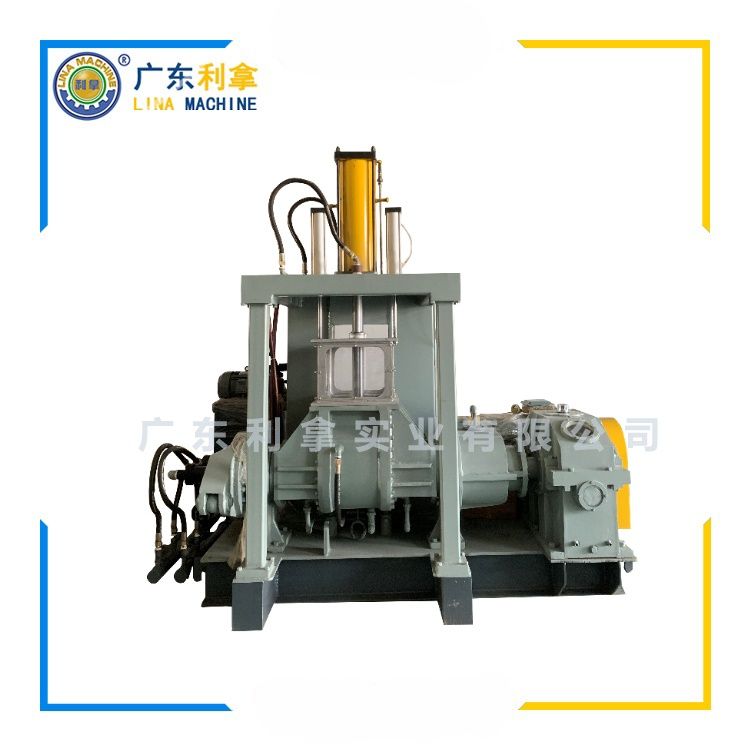
In addition to their technical advantages, mass production type mixing machines also have a positive impact on the environment. By using energy-efficient motors and optimized design, these machines can reduce their carbon footprint and minimize waste generation. This not only benefits the environment but also helps companies stay compliant with increasingly stringent environmental regulations.
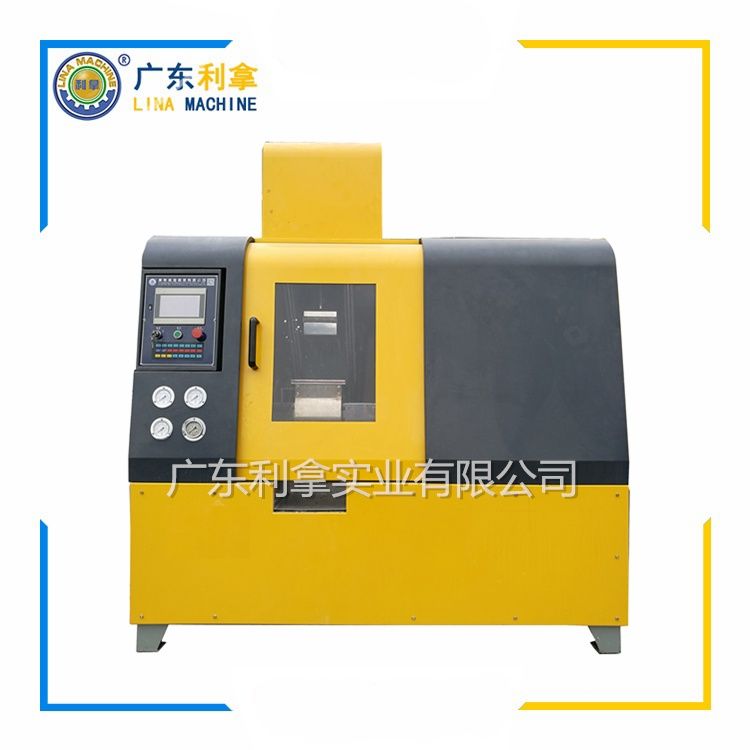
Overall, the mass production type mixing machine is an essential tool in today's manufacturing industry. Its ability to handle large volumes of material, achieve precise mixing results, and reduce environmental impact make it a valuable investment for any business looking to improve efficiency and quality. As technology continues to advance, we can expect these machines to become even more sophisticated and capable, further enhancing their role in the manufacturing world.