




The Development of Hydrogen Fuel Cell Bipolar Plate Rolling Line
The hydrogen fuel cell industry is rapidly evolving, driven by the increasing demand for clean and sustainable energy sources. One of the key components in this industry is the bipolar plate, which serves as the interface between the anode and cathode electrodes in the fuel cell. To meet the high standards of quality and consistency required in the production of these plates, there has been a significant investment in the development of advanced manufacturing technologies.
One such technology is the hydrogen fuel cell bipolar plate rolling line, which involves the use of specialized equipment to produce high-quality bipolar plates that can withstand the harsh conditions of the fuel cell environment. This article will explore the key features of this line, including its design, capabilities, and the challenges it faces in achieving optimal performance.
Design:
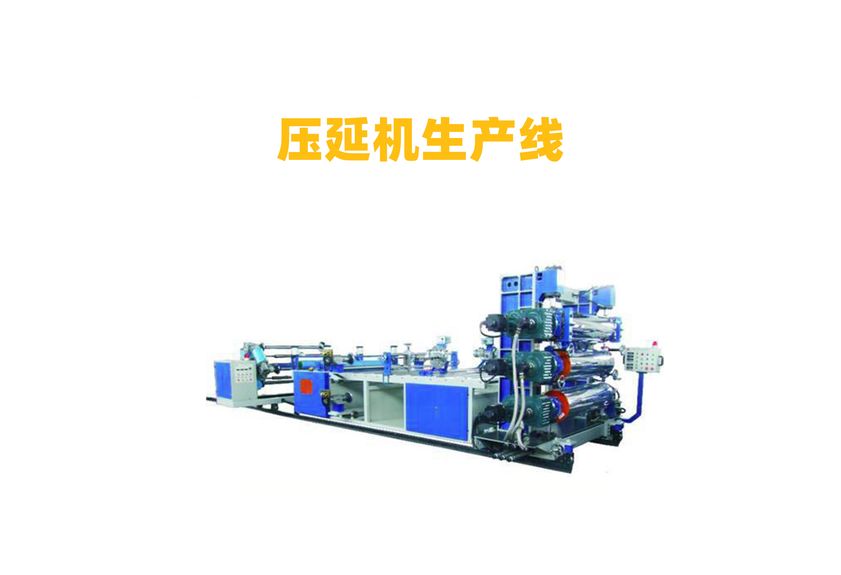
The hydrogen fuel cell bipolar plate rolling line is designed to handle large volumes of bipolar plates at high speeds and with minimal downtime. It consists of several key components, including a roller assembly, a cooling system, and a control system. The roller assembly is responsible for applying pressure and compressing the bipolar plates into shape, while the cooling system ensures that the plates remain cool during the process. The control system monitors the process and adjusts parameters as needed to optimize the final product.
Capabilities:
The hydrogen fuel cell bipolar plate rolling line has several advantages over traditional methods of producing bipolar plates. Firstly, it can produce bipolar plates with a higher degree of precision and uniformity than manual processes, which can result in better performance from the fuel cell. Secondly, it can produce bipolar plates at a faster rate than traditional methods, which can help meet the demands of the market more quickly. Finally, it can reduce waste and improve efficiency by minimizing the amount of material used and minimizing scrap.
Challenges:

Despite its many benefits, the hydrogen fuel cell bipolar plate rolling line still faces some challenges in achieving optimal performance. One major challenge is the need for precise control over the process parameters, which can be difficult to achieve with traditional equipment. Additionally, the cost of investing in new equipment and training staff to operate it may be prohibitive for some companies. Finally, there is a risk of contamination during the production process, which can affect the quality of the final product.

Conclusion:
The hydrogen fuel cell bipolar plate rolling line represents a significant advancement in the industry's ability to produce high-quality bipolar plates. Its design and capabilities offer numerous advantages over traditional methods, while also facing some challenges that must be addressed to ensure optimal performance. As the demand for clean and sustainable energy continues to grow, it is likely that this technology will continue to evolve and become an increasingly important part of the industry.