



The Role of Large-Scale Mixing Machines in the Manufacturing Industry
In the manufacturing industry, large-scale mixing machines play a crucial role in the production process. These machines are designed to mix various materials together efficiently and uniformly, resulting in a product with consistent quality and performance.
One of the main advantages of large-scale mixing machines is their ability to handle large batches of material. This makes them ideal for industries that produce large quantities of products, such as food processing, chemical manufacturing, and pharmaceuticals. By using these machines, manufacturers can save time and resources by reducing the need for manual labor and minimizing waste.
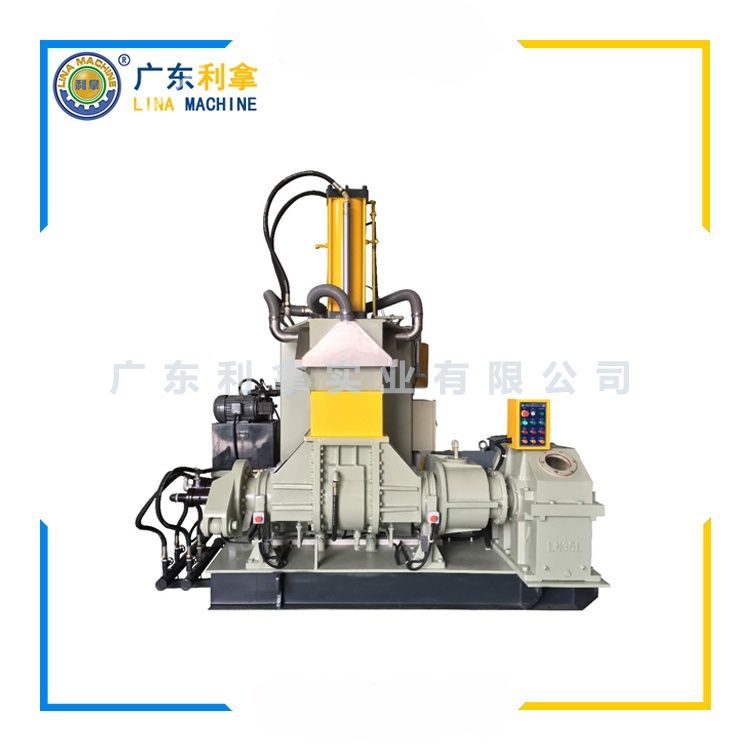
Another significant benefit of large-scale mixing machines is their precision control over the mixing process. With advanced technology, these machines can precisely measure and adjust the amount of each ingredient being mixed, ensuring that the final product meets specific quality standards. This level of control helps to reduce the risk of contamination or defects in the final product, which can have serious consequences for consumers.
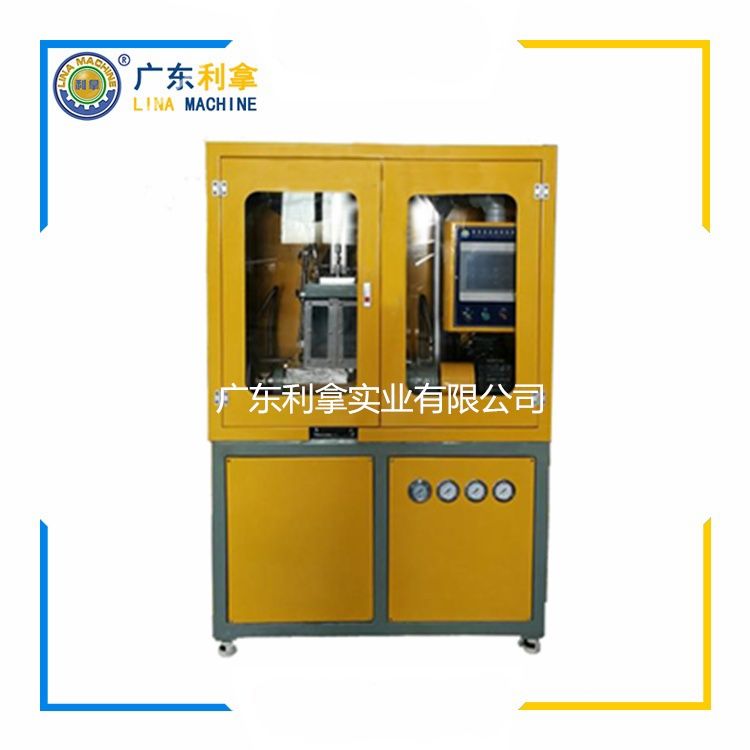
Moreover, large-scale mixing machines are highly efficient in terms of energy consumption. They use less energy compared to traditional methods of mixing, making them more environmentally friendly. This not only reduces costs for manufacturers but also contributes to a healthier planet by reducing greenhouse gas emissions.
In conclusion, large-scale mixing machines are essential tools in the manufacturing industry. Their ability to handle large batches of material, precise control over the mixing process, and high efficiency in terms of energy consumption make them an indispensable part of any modern manufacturing facility. As technology continues to advance, we can expect to see even more sophisticated and advanced versions of these machines, further enhancing our ability to produce high-quality products at scale.