




Title: The Art of Granulation:...
Title: The Art of Granulation: Understanding High-Temperature Materials
Introduction:
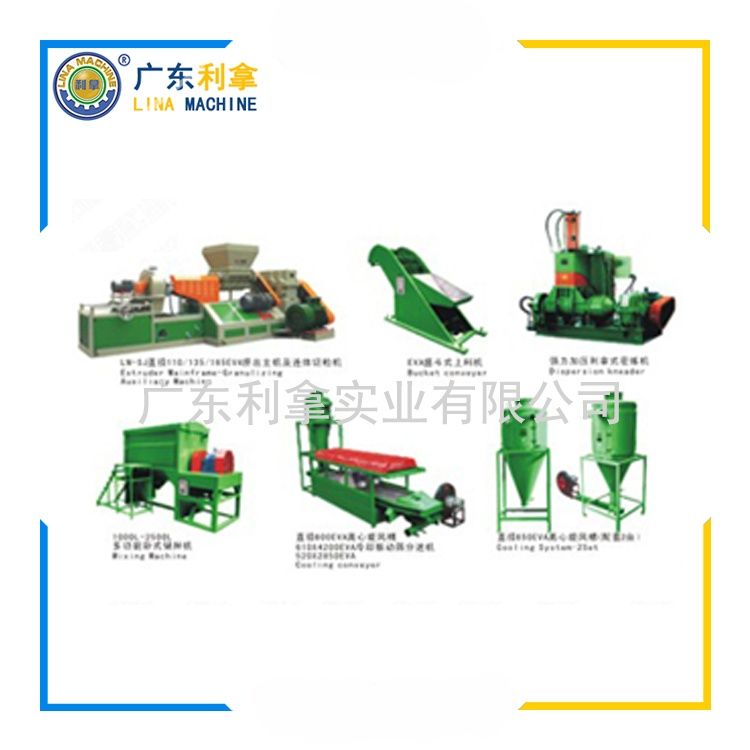
In the realm of industrial processes, the ability to manipulate materials at high temperatures is a crucial skill. One such application lies in the field of granulation, where specialized equipment is used to transform raw materials into finished products with enhanced properties. This article delves into the intricate world of high-temperature granulation machines, exploring their design, functionality, and applications in various industries.
Key Points:
1. Design Principles: High-temperature granulation machines are engineered to withstand the intense heat generated during processing. They feature advanced cooling systems that prevent overheating and ensure consistent product quality.
2. Functionality: These machines are designed to handle a wide range of materials, including polymers, ceramics, and metals. They can be used to produce granular products with varying densities, shapes, and sizes, depending on the specific requirements of the industry.
3. Applications: High-temperature granulation machines are found in numerous industries, including pharmaceuticals, electronics, and construction materials. In pharmaceuticals, they are used to produce granulated dosage forms for oral and topical medications. In electronics, they are employed in the production of conductive powders for circuit boards. In construction materials, they are utilized to produce granulated aggregates for roadbeds and other infrastructure projects.
4. Technology Advancements: As technology continues to evolve, high-temperature granulation machines are becoming more sophisticated. For example, they now incorporate automation and robotics to improve efficiency and reduce human error. Additionally, new materials and coatings are being developed to enhance the performance and durability of these machines.
5. Future Trends: As industries continue to demand higher levels of precision and consistency, the demand for high-temperature granulation machines is expected to grow. This will drive innovation in the field, with new designs and technologies emerging to meet the ever-changing needs of the market.
Conclusion:
High-temperature granulation machines play a critical role in the manufacturing process, enabling the transformation of raw materials into finished products with superior properties. By understanding their design principles, functionality, and applications, we can better appreciate their importance in today's industrial landscape. As technology continues to advance, it is likely that these machines will become even more sophisticated, providing even greater benefits to the industries that rely on them.