

The Laboratory Rolling Mill: A Critical Component in Chemical and Materials Research
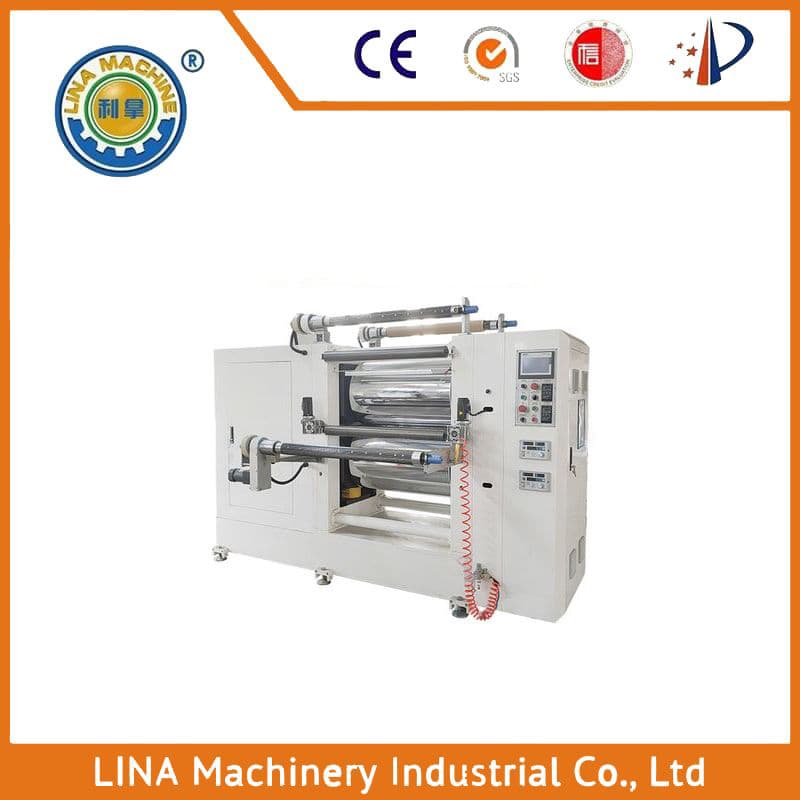
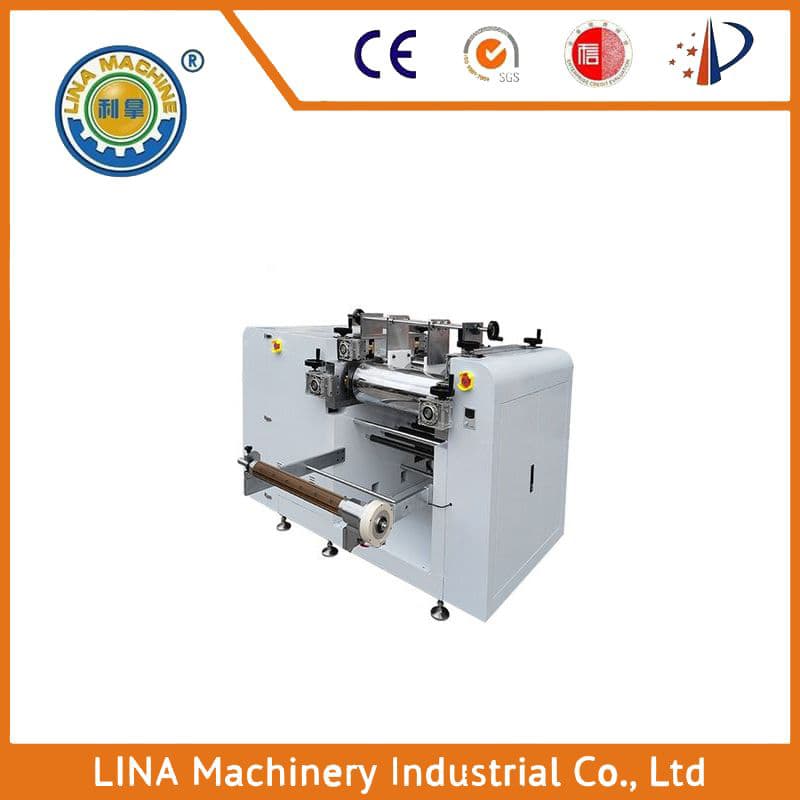
The laboratory rolling mill is a critical tool in the laboratory setting, providing precise control over the processing of materials. This versatile piece of equipment is used in a wide range of applications, from the production of small quantities of high-quality materials to the testing of new materials and processes.
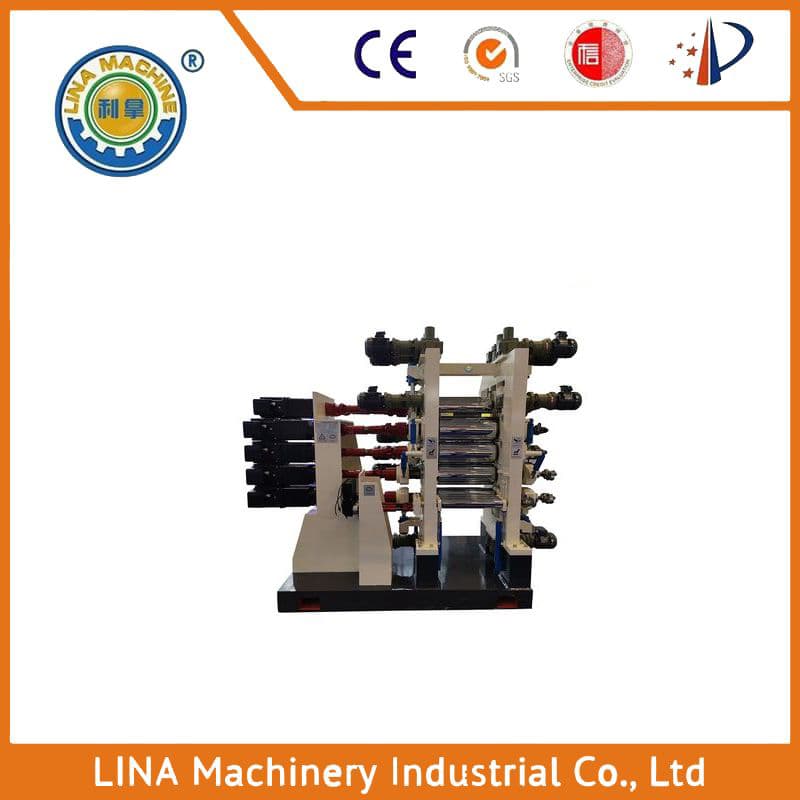
At its core, the laboratory rolling mill consists of a rotating cylinder that holds the material to be processed. The cylinder is surrounded by a series of rollers that apply pressure and heat to the material as it moves through the cylinder. This process results in the desired texture and properties of the material being produced.
One of the key features of the laboratory rolling mill is its ability to produce a wide range of materials with varying degrees of fineness and hardness. By adjusting the speed and pressure of the rollers, the user can control the final product's characteristics, from softer to harder, coarser to finer.
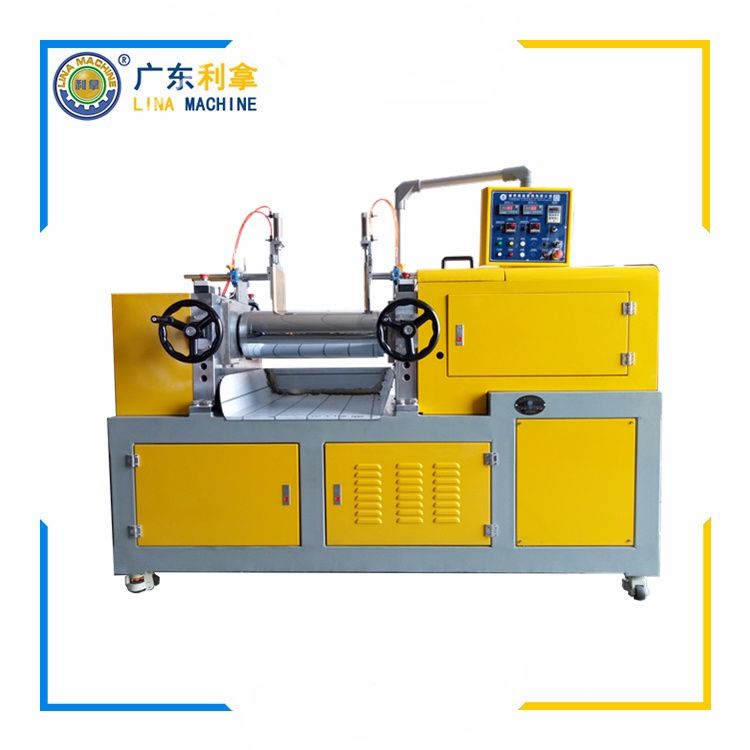
In addition to its technical capabilities, the laboratory rolling mill is also an essential tool for researchers and engineers. It allows them to quickly and easily test new materials and processes, reducing the time and resources required for development.
Overall, the laboratory rolling mill is a valuable tool for anyone involved in the field of materials science and engineering. Its ability to produce high-quality materials at scale makes it an invaluable asset in any laboratory or industrial setting.