




The Art of Molding and Shaping Machines
In the realm of industrial manufacturing, machines play a pivotal role in transforming raw materials into finished products. Among these machines, the molding and shaping machine stands out as one of the most versatile tools for creating intricate shapes. This article delves into the intricacies of molding and shaping machines, exploring their design, functionality, and applications in various industries.
At its core, a molding and shaping machine is a complex assembly that combines mechanical engineering, computer-aided design (CAD), and computer-aided manufacturing (CAM) technologies to create precise, high-quality parts. These machines are designed to handle a wide range of materials, including plastics, metals, and composites, and can be used to produce everything from small parts for consumer electronics to large components for automotive and aerospace industries.
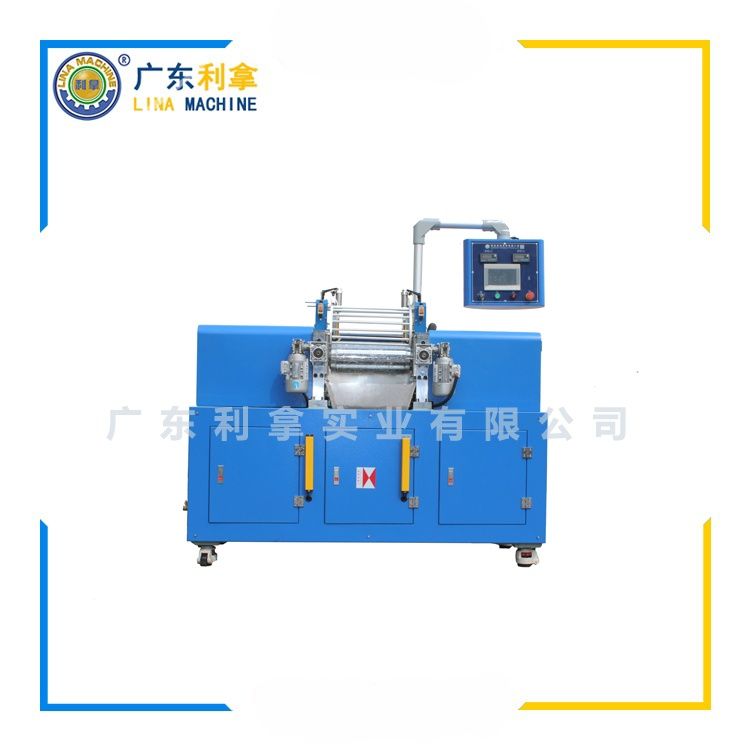
One of the key features of molding and shaping machines is their ability to produce complex geometries. By using advanced software and algorithms, engineers can design intricate shapes that would otherwise require multiple manual operations or specialized equipment. This not only saves time and resources but also improves the overall quality of the product.
Another important aspect of molding and shaping machines is their precision. With high-speed rotation and precise control of the temperature, pressure, and other parameters, these machines can produce parts with tight tolerances and smooth surfaces. This precision is essential for many applications, such as medical devices, precision instruments, and electronic components.
The applications of molding and shaping machines are vast and varied. In the automotive industry, they are used to produce body panels, door panels, and interior trim pieces. In the aerospace industry, they are used to produce lightweight yet strong structures for aircraft wings and fuselages. In the medical industry, they are used to produce implants, surgical instruments, and other medical devices.
Despite their impressive capabilities, molding and shaping machines are still evolving. As technology continues to advance, we can expect to see even more sophisticated designs and improved performance from these machines. Additionally, as demand for customized and high-quality products increases, there is a growing need for these machines to be more flexible and adaptable to different production needs.
- Mold Making Machinery
- Shaping Machinery
- Precision Molding
- Automotive Industry
- Aerospace Industry
- Medical Devices
- Customized Products
- Flexibility and Adaptability
This article provides an in-depth exploration of molding and shaping machines, highlighting their design, functionality, and applications across various industries. We delve into the key features that make these machines so effective, such as their ability to produce complex geometries and high-precision parts. We also discuss the diverse range of applications these machines have in the automotive, aerospace, medical, and other industries. By highlighting the importance of these machines in modern manufacturing, we aim to provide readers with valuable insights into the future of industrial production.