

The Art of Rubber Extrusion Filtering Machines
In the realm of industrial machinery, the rubber extrusion filtering machine stands as a testament to precision engineering and material handling prowess. At its core, this sophisticated piece of equipment is designed to process rubber compounds into a uniform, high-quality product that meets the stringent demands of the market.
At its heart lies the principle of rubber extrusion, where molten rubber is forced through a die at high pressure, creating a continuous flow of rubber that can be shaped and molded into various forms. This process is crucial for producing products such as tires, hoses, and other rubber-based goods.

The rubber extrusion filtering machine plays a pivotal role in ensuring that the final product is free from impurities and defects. It employs a series of filters and screens to remove any foreign matter or particles that may compromise the quality and performance of the final product. These filters are designed to capture even the smallest particles, ensuring that the final product meets the highest standards of quality and reliability.
One of the key features of the rubber extrusion filtering machine is its ability to adapt to different types of rubber compounds. By adjusting the settings and parameters of the machine, it can produce products tailored to specific applications, from high-performance tires to eco-friendly hoses. This flexibility makes it an indispensable tool for manufacturers looking to meet the ever-changing demands of the industry.
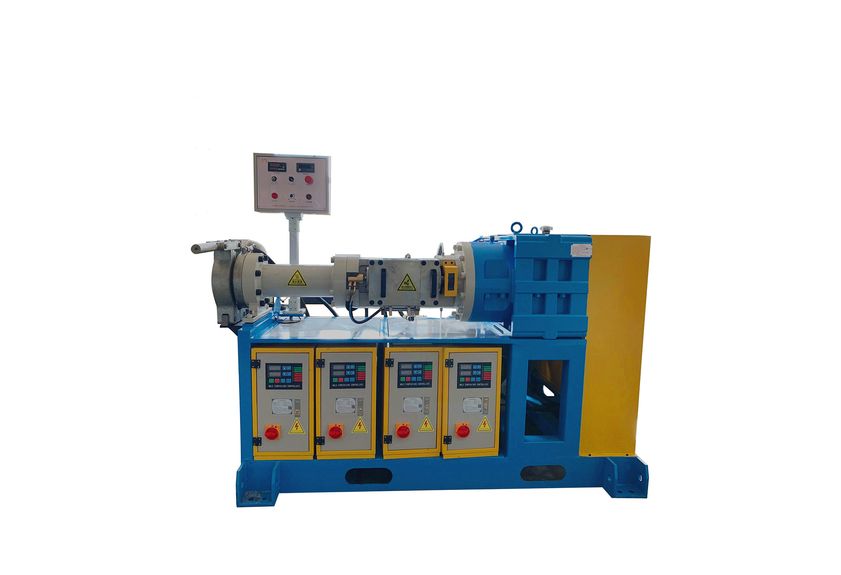
Another critical aspect of the rubber extrusion filtering machine is its ability to operate efficiently and reliably. Thanks to advanced technology and state-of-the-art components, it can process large volumes of rubber with minimal downtime. This ensures that manufacturers can maintain consistent output and minimize waste, ultimately saving money and improving profitability.
In conclusion, the rubber extrusion filtering machine is a vital component of the rubber manufacturing process. Its precision engineering, ability to adapt to different types of rubber compounds, and efficient operation make it an essential tool for manufacturers looking to produce high-quality, reliable products. As the demand for sustainable and eco-friendly materials continues to grow, the importance of these machines will only increase.