
Understanding the Radio Frequency Circuit Board Pressing Machine Production Line
The production line for radio frequency circuit boards is a crucial part of the electronics manufacturing process. It involves several stages, including raw material preparation, pressing, and assembly. At the heart of this process is the press machine, which plays a vital role in shaping the circuit boards into their final form. In this article, we will explore the various components of the press machine and how they work together to produce high-quality radio frequency circuit boards.
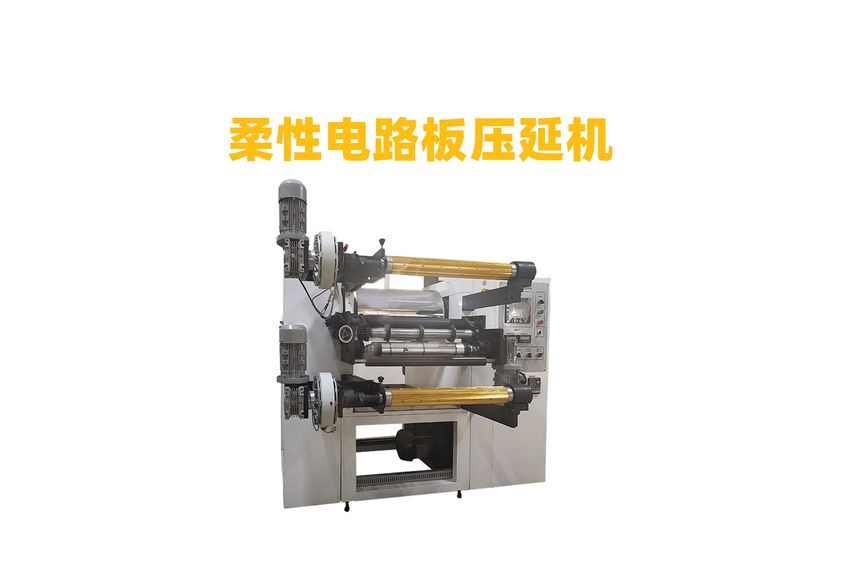
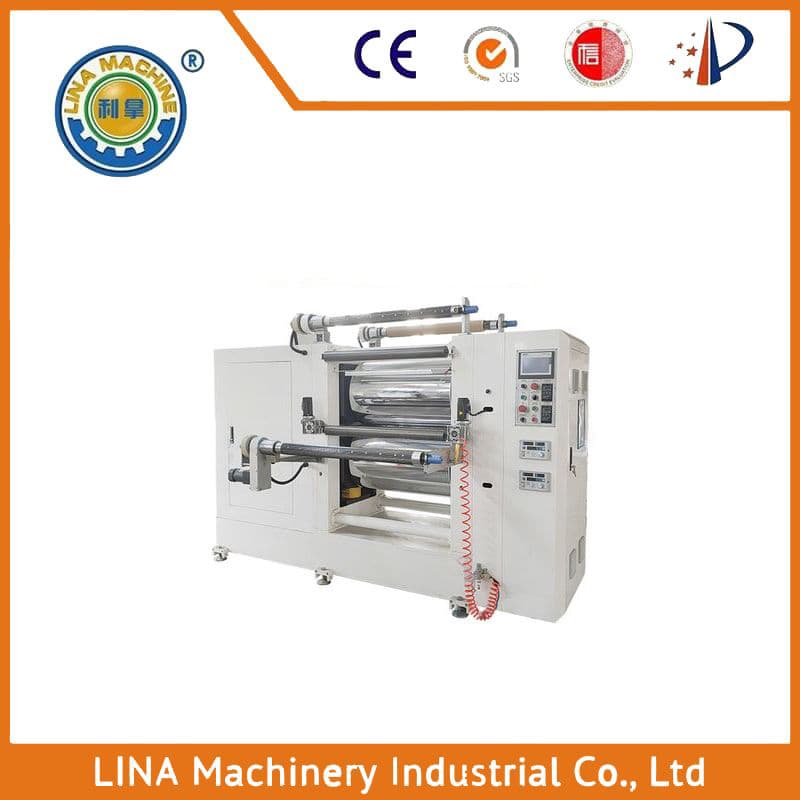
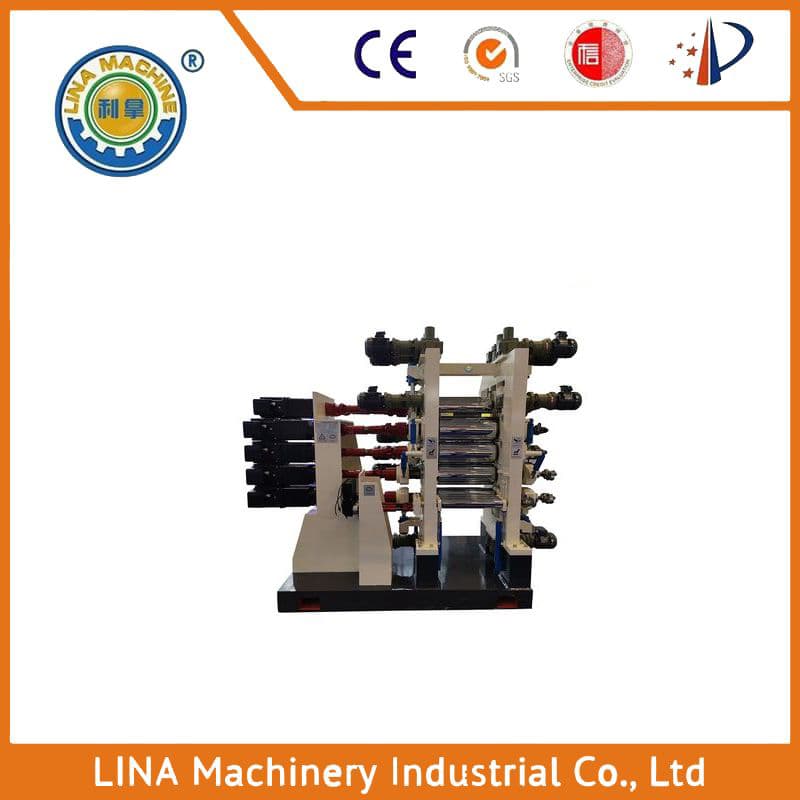
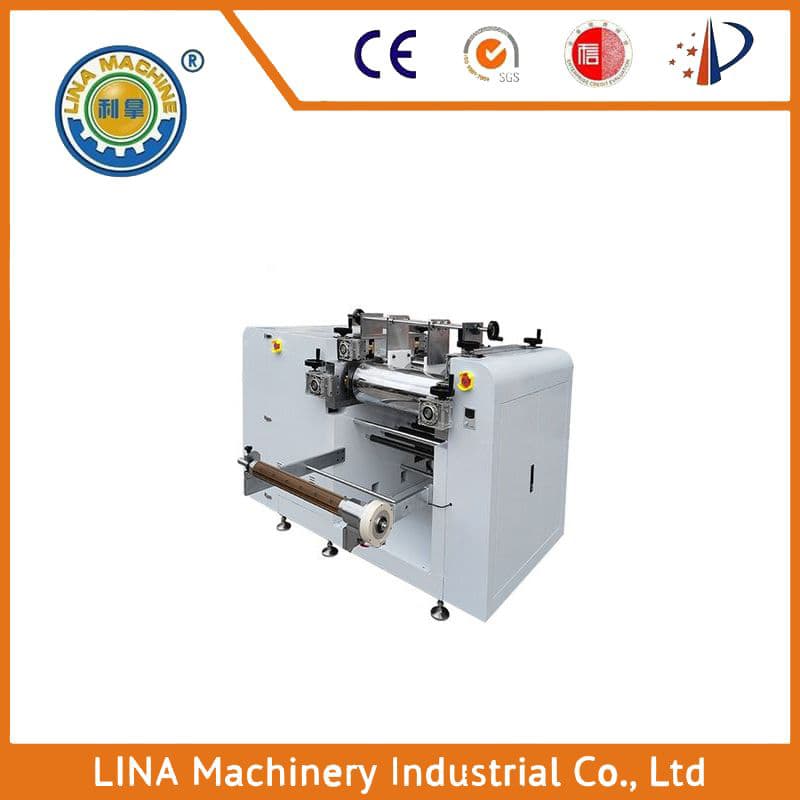
The press machine is a complex piece of machinery that uses hydraulic pressure to compress the circuit board between two plates. The plates are usually made of steel or other durable materials, which provide a stable platform for the circuit board to be pressed onto. The press machine has several key components, including the main frame, the pressing plate, the hydraulic cylinder, and the control system.
The main frame is the foundation of the press machine and supports all the other components. It is designed to withstand the high levels of pressure and heat generated during the pressing process. The pressing plate is attached to the main frame and is used to apply the hydraulic pressure to the circuit board. The hydraulic cylinder is responsible for creating the necessary force to compress the circuit board. Finally, the control system monitors the pressing process and adjusts the pressure as needed to ensure that the circuit board is properly shaped.
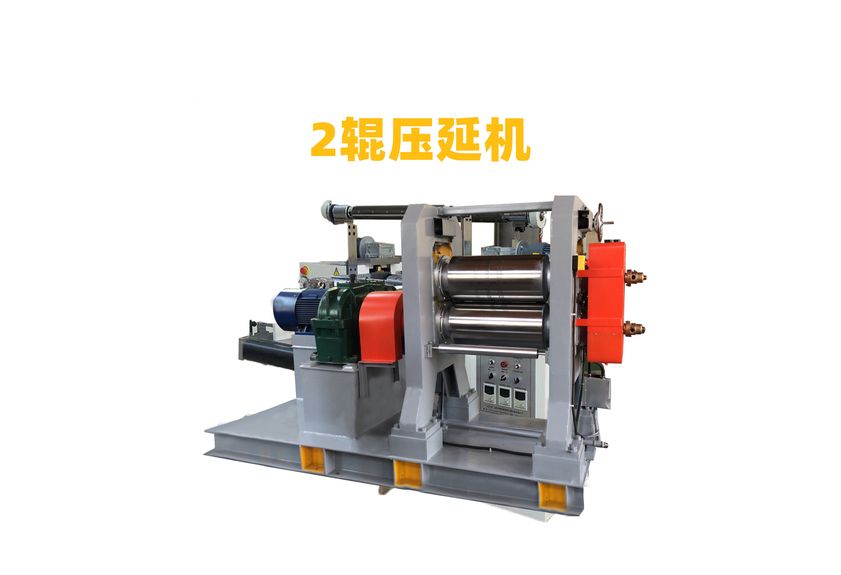
In addition to its mechanical components, the press machine also includes software that controls the entire process. This software allows operators to set up the machine, monitor the pressing process, and adjust settings as needed. It also provides data on the quality of the circuit boards produced, such as dimensions and surface finish.
The press machine is an essential component of the radio frequency circuit board production line. Its ability to compress the circuit board into a precise shape is critical to the overall quality of the product. By understanding the different components of the press machine and how they work together, manufacturers can optimize their production processes and improve the overall performance of their equipment.