
The Role of Plastic Injection Molding Machines in the Manufacturing Industry
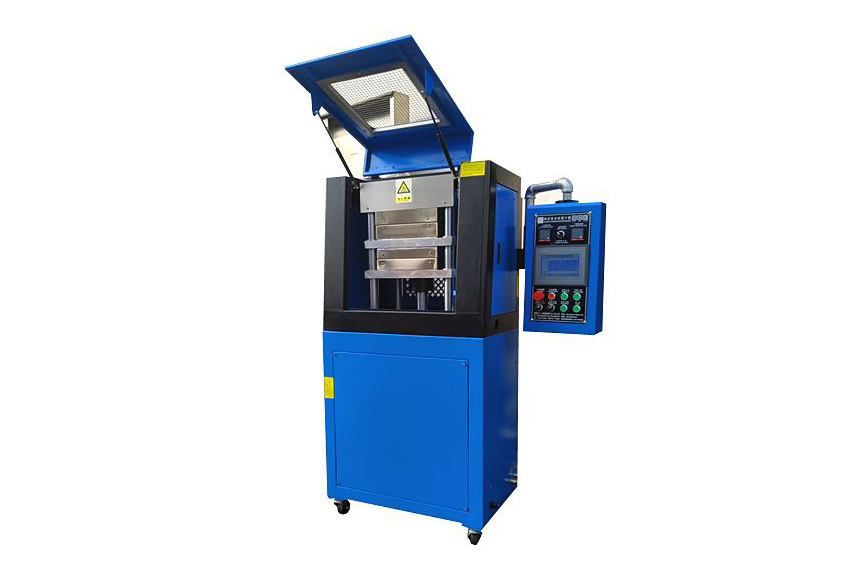
Plastic injection molding machines are an essential tool in the manufacturing industry, enabling the production of a wide range of plastic products. These machines use thermoplastic polymers to create parts and components that are lightweight, durable, and cost-effective. The process involves feeding the raw material into the machine, which then heats it up to a high temperature before rapidly cooling it down to solidify the material. This process creates a precise, uniform, and consistent product shape, making it ideal for mass production.
One of the key benefits of using plastic injection molding machines is their ability to produce complex shapes with minimal waste. The machines can easily adjust the size and shape of the part being produced, allowing for greater flexibility in design. Additionally, they can be programmed to produce multiple parts from a single mold, saving time and resources.
Another advantage of these machines is their ability to handle a wide range of materials, including thermoplastics, thermosets, and composites. This makes them versatile and adaptable to different applications, such as automotive, electronics, and medical devices.
However, like any other machine, plastic injection molding machines require proper maintenance and care to ensure they operate efficiently and safely. This includes regular cleaning, lubrication, and inspection of the machinery's components. Proper maintenance can help prevent breakdowns and extend the life of the machine, ultimately leading to increased productivity and cost savings.
In conclusion, plastic injection molding machines play a crucial role in the manufacturing industry by enabling the production of high-quality plastic products with ease and efficiency. By understanding their capabilities and limitations, manufacturers can optimize their operations and maximize their profits.