




The Art of Ceramic Powder Milling Machinery
Ceramic powder milling machines are essential tools in the ceramics industry, as they play a crucial role in the production process. These machines are designed to mix and mill ceramic powders into a uniform and consistent consistency, which is necessary for various applications such as making ceramic tiles, bricks, and other building materials.
The ceramic powder milling machine consists of several components, including a rotating drum, a feeder system, and a discharge mechanism. The drum is made of high-quality materials such as stainless steel or ceramic, and it rotates at high speeds to ensure that the powder is evenly mixed and milled. The feeder system is responsible for feeding the powder into the drum, while the discharge mechanism releases the finished product from the drum.
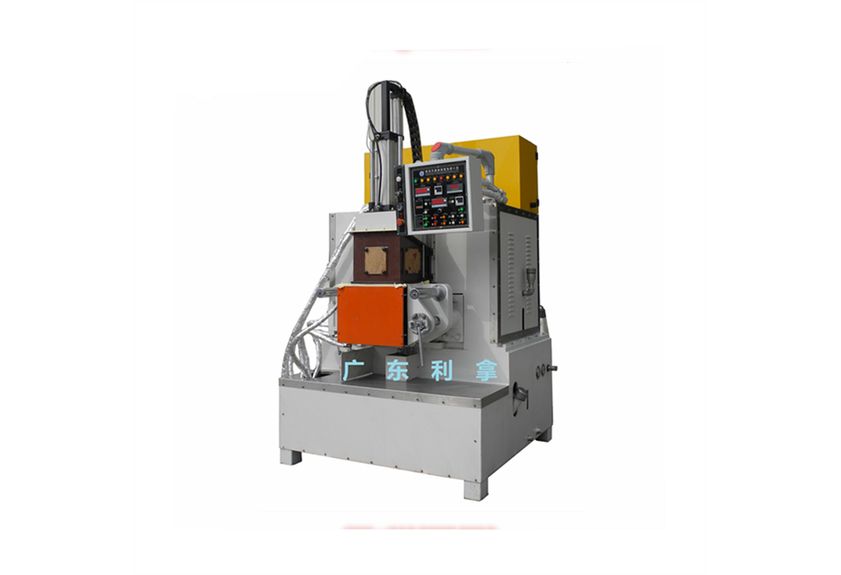
One of the key features of the ceramic powder milling machine is its ability to handle different types of ceramic powders. This is achieved through the use of specialized grinding wheels and blades that can grind different types of ceramic powders to the desired consistency. Additionally, the machine is equipped with advanced control systems that allow for precise adjustments in the mixing and milling process, ensuring that the final product meets the required quality standards.
In addition to its technical capabilities, the ceramic powder milling machine also has a significant impact on the environment. By using energy-efficient motors and reducing waste, these machines help to minimize their carbon footprint and contribute to sustainable development. Furthermore, the use of recycled materials in the manufacturing process further reduces the environmental impact of these machines.
1. Ceramic Powder Milling Machinery
2. Ceramic Industry
3. Powder Mixing
4. Environmental Sustainability
5. Energy Efficiency
This article provides an in-depth analysis of the ceramic powder milling machinery, highlighting its critical role in the ceramic industry. We explore the technical specifications of this equipment, including its ability to handle various types of ceramic powders and its advanced control systems. We also discuss its environmental benefits, such as energy efficiency and reduced waste, and how it contributes to sustainable development. By understanding the importance of these machines in the ceramics industry, we can appreciate their significance in shaping our world.