

The Art of Rubber Manufacturing: Exploring the World of Fluorocarbon Rubber Extrusion Machines
Fluorocarbon rubber, also known as fluororubber, is a unique and versatile material that has found its place in various industries. One such industry is the manufacturing of rubber products, where the use of fluororubber extrusion machines plays a crucial role. In this article, we will explore the world of fluorocarbon rubber extrusion machines and their significance in the rubber manufacturing process.
Firstly, it is essential to understand what fluorocarbon rubber is. It is a type of synthetic rubber that contains small amounts of fluorine atoms. This makes it highly resistant to heat, chemicals, and other environmental factors, making it ideal for applications where durability and longevity are required.
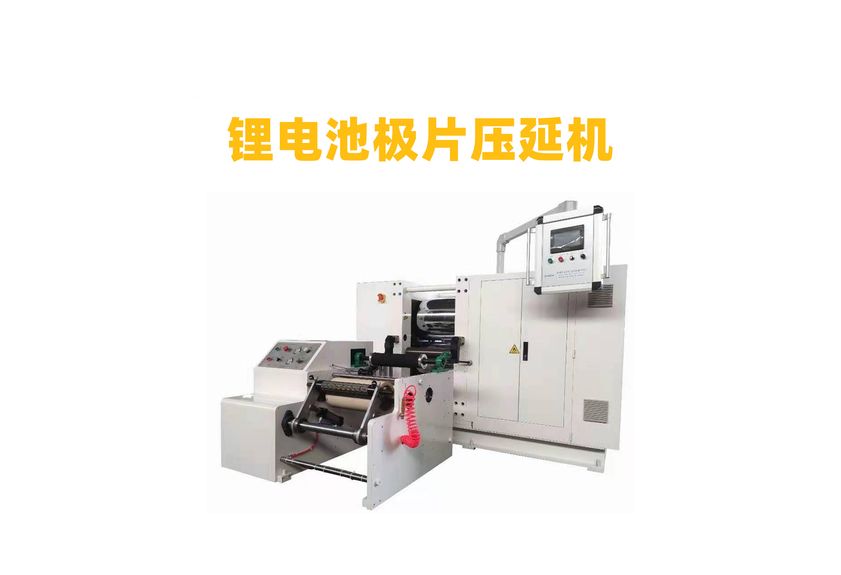
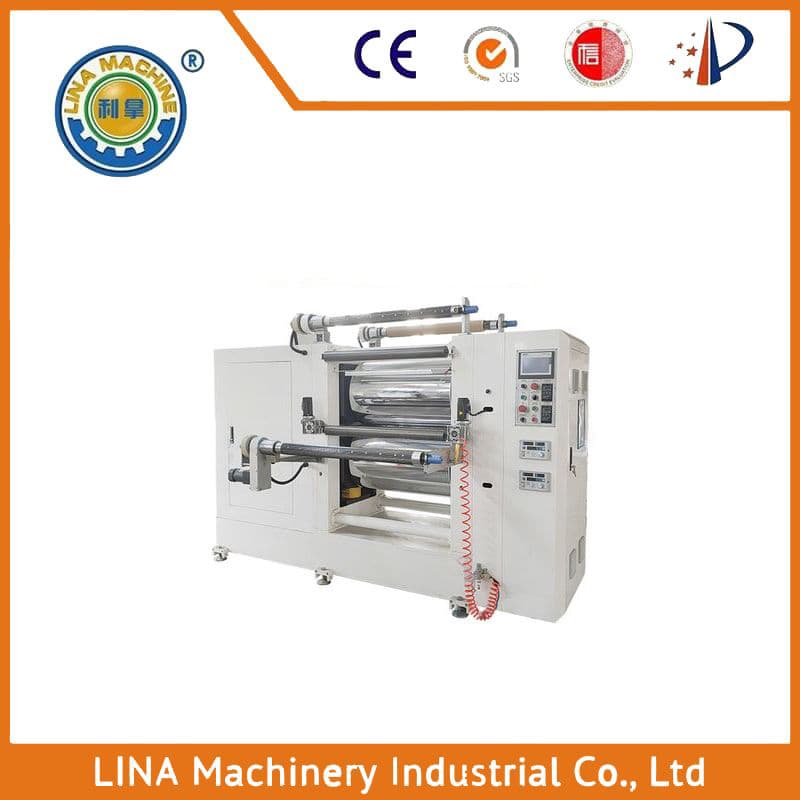
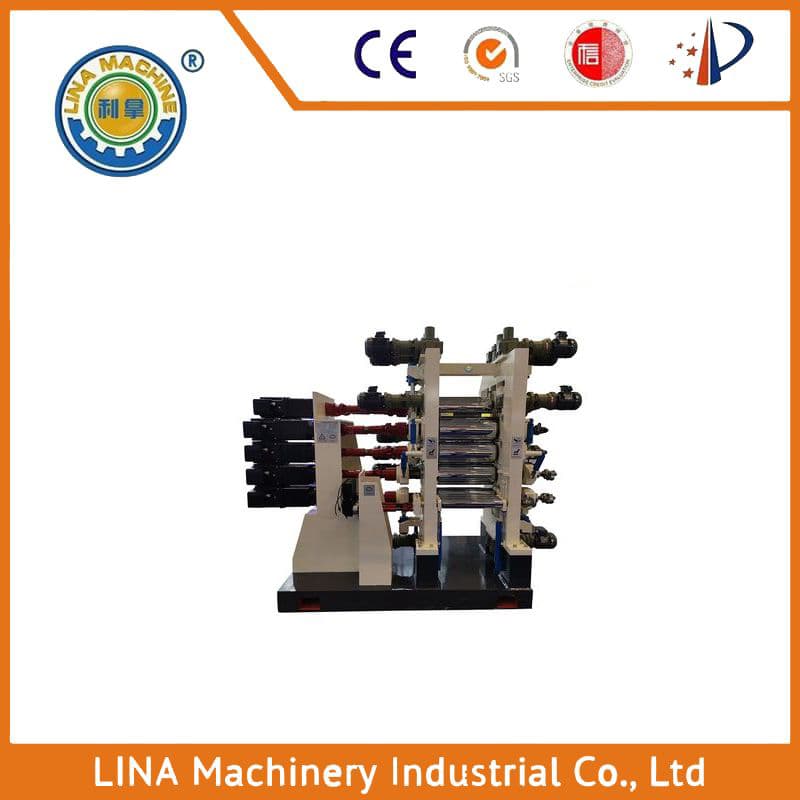
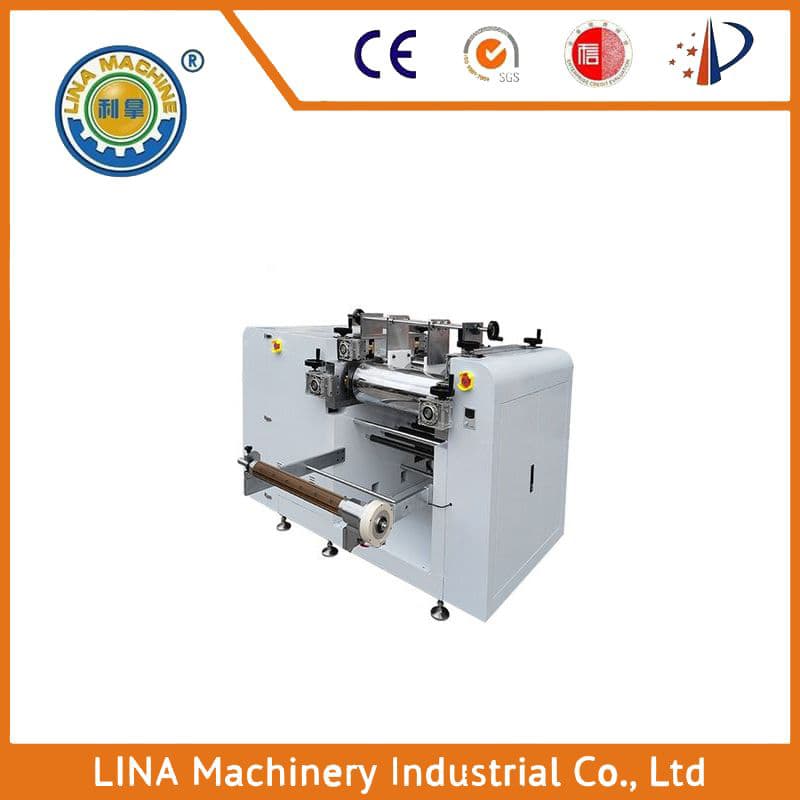
Now, let us turn our attention to the topic at hand - fluorocarbon rubber extrusion machines. These machines are designed to process fluorocarbon rubber into various shapes and sizes, which can be used in a variety of applications such as tires, hoses, seals, and more.
The working principle of a fluorocarbon rubber extrusion machine is quite simple. The raw materials are fed into the machine, which then melts them using high-temperature heat. This molten rubber is then extruded through a die, which creates the desired shape. The molten rubber is then cooled down and solidified, forming the final product.
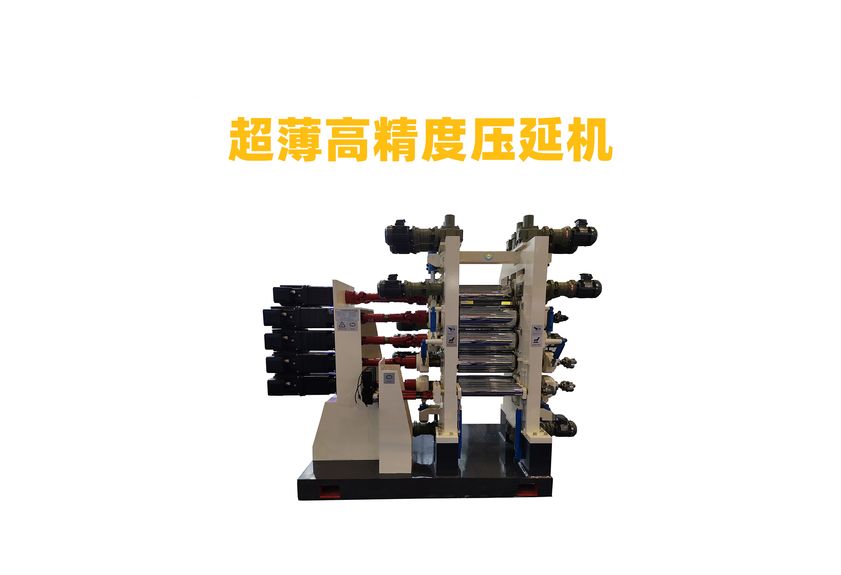
One of the key advantages of fluorocarbon rubber extrusion machines is their ability to produce high-quality products with minimal waste. Unlike traditional rubber manufacturing processes, these machines do not require extensive post-processing or recycling, which saves time and resources.
Another significant advantage of fluorocarbon rubber extrusion machines is their flexibility. They can be easily adapted to different types of fluorocarbon rubber, allowing manufacturers to cater to a wide range of customer needs.
In conclusion, fluorocarbon rubber extrusion machines play a crucial role in the rubber manufacturing process. With their ability to produce high-quality products and their flexibility, they have become an essential tool in the industry. As technology continues to advance, we can expect these machines to continue evolving, further enhancing the efficiency and quality of rubber products.