


The Art of Ceramic Powder Consolidation: A Comprehensive Review
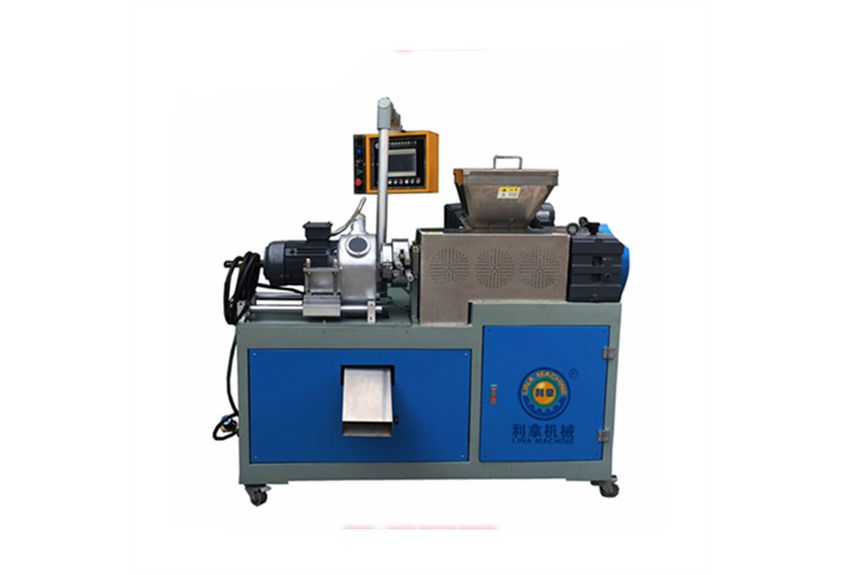
In the realm of ceramic engineering, the development of advanced manufacturing techniques is crucial for enhancing product quality and efficiency. One such technique that has gained significant attention in recent years is the use of ceramic powder consolidation machines. These machines are designed to process ceramic powders into dense, high-quality materials with minimal waste. In this article, we will explore the principles behind ceramic powder consolidation, the various types of consolidation machines available, and their applications in various industries.
Ceramic powder consolidation involves the fusion of small particles of ceramic powder into a single, cohesive material. This process requires precise control over temperature, pressure, and time to achieve optimal results. There are two main methods used for ceramic powder consolidation: hot isostatic pressing (HIP) and cold isostatic pressing (CIP). HIP involves heating the powder to a high temperature and then isolating it under high pressure to achieve densification. CIP, on the other hand, involves isolating the powder under low pressure and lower temperature to achieve similar results.
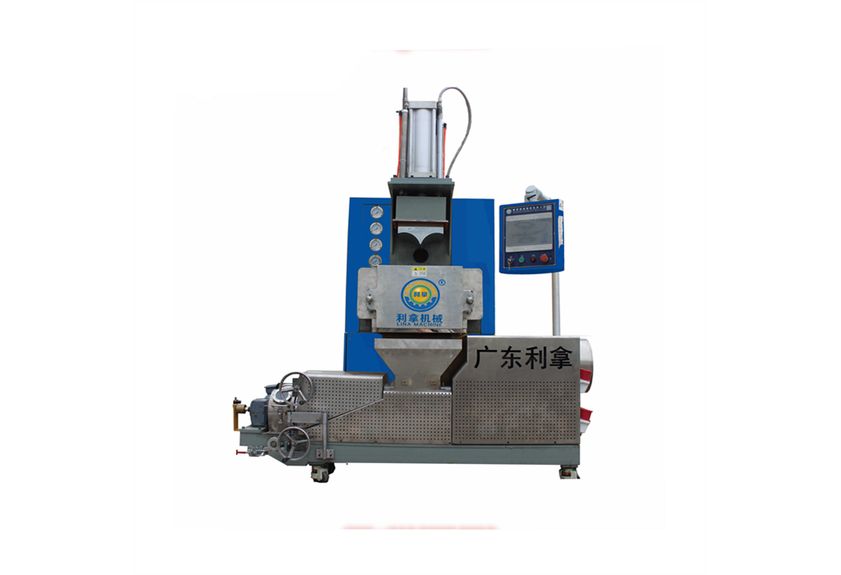
The choice of consolidation method depends on the specific requirements of the application. For example, HIP is commonly used for casting parts with complex geometries, while CIP is preferred for producing thin films or coatings. Additionally, there are specialized consolidation machines designed for specific materials, such as silicon carbide or aluminum oxide.
The success of ceramic powder consolidation relies on several factors, including the quality of the raw materials, the design of the consolidation machine, and the processing parameters. To ensure consistent results, it is essential to use high-quality ceramic powders and to optimize the temperature, pressure, and time settings during the consolidation process.
In addition to its technical benefits, ceramic powder consolidation has numerous industrial applications. Some examples include the production of engine components, electronic devices, and wearable technology. By using these machines, manufacturers can produce products with superior strength, durability, and precision.
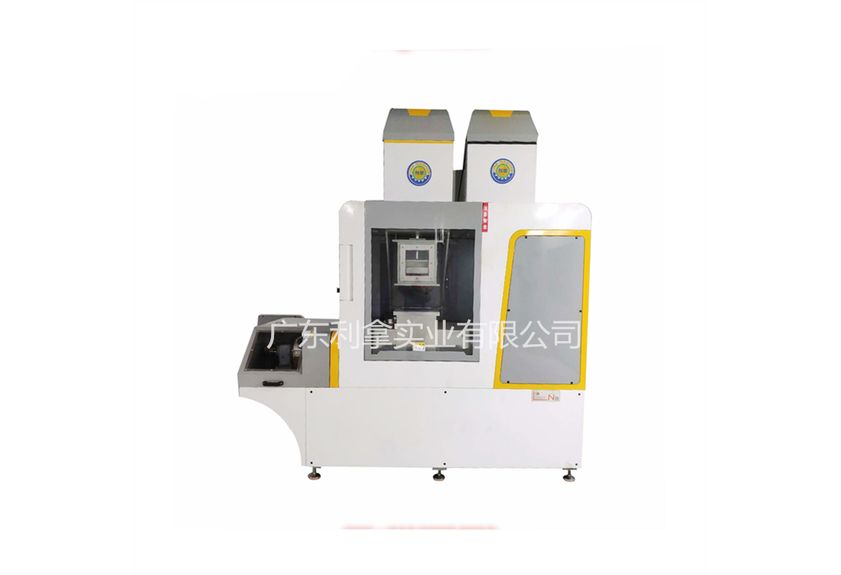
As the demand for high-quality ceramic materials continues to grow, the importance of ceramic powder consolidation cannot be overstated. By understanding the principles behind this technique and exploring the various types of consolidation machines available, we can unlock new opportunities for innovation and advancement in the field of ceramic engineering.