

Cold Feed Extrusion Machinery: A Detailed Guide to Its Applications and Advantages
Cold feed extrusion machines are a crucial component in the food, packaging, and other industries. These machines are designed to process materials at low temperatures, which makes them ideal for applications where high-quality products are required. In this article, we will explore the different types of cold feed extruders, their applications, and some of the advantages they offer.
Types of Cold Feed Extruders:
There are several types of cold feed extruders available in the market, each with its unique features and capabilities. Some of the most common types include:
1. Rotary screw extruder: This type of extruder is widely used in the food industry for producing various products such as dough, batters, and sauces. The rotating screw rotates the material through the barrel, causing it to flow and form into desired shapes.
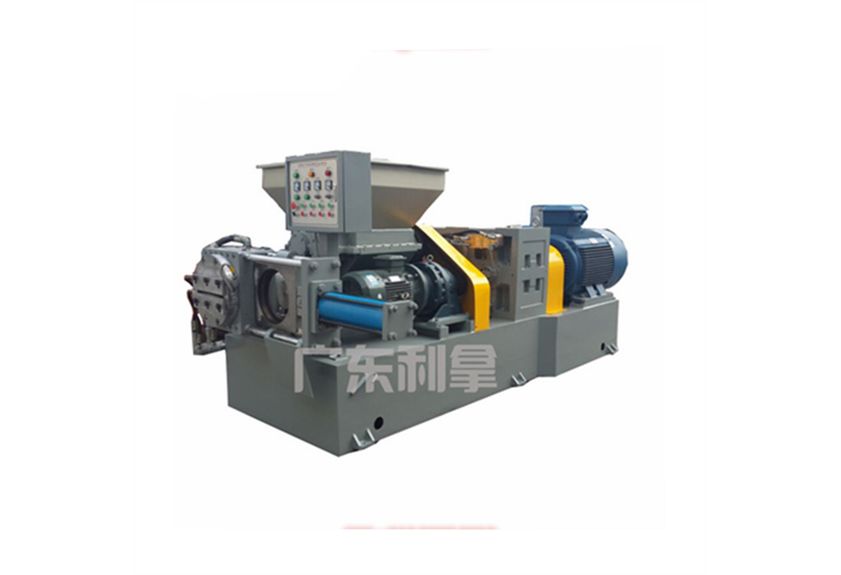
2. Counter-rotating screw extruder: This type of extruder is commonly used in the plastics industry for processing thermoplastics. The screws rotate in opposite directions, allowing for efficient mixing and melting of the material.
3. Twin-screw extruder: This type of extruder is used in the chemical industry for processing a wide range of materials, including polymers and resins. The two screws rotate in opposite directions, causing the material to be mixed and melted evenly.

Applications of Cold Feed Extruders:
Cold feed extruders have numerous applications in various industries, including:
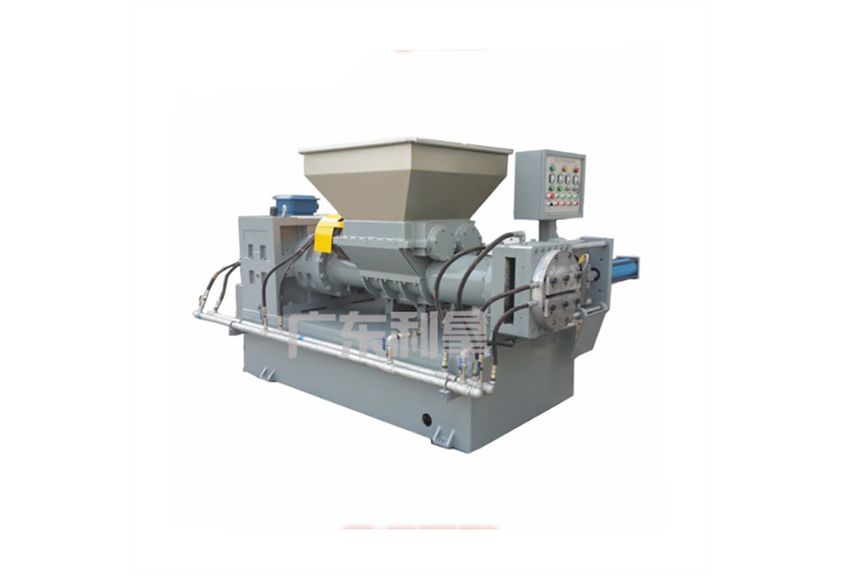
1. Food Processing: Cold feed extruders are used in the production of dough, batters, and sauces. They can also be used to make frozen foods, such as ice cream and frozen pizzas.
2. Packaging Industry: Cold feed extruders are essential in the packaging industry for producing films, bags, and containers. They can be used to create barrier films that protect food from contaminants and extend shelf life.
3. Textile Industry: Cold feed extruders are used in the textile industry to produce yarns and fabrics. They can also be used to create nonwoven materials, such as nylon mats and filters.
Advantages of Cold Feed Extruders:
Cold feed extruders offer several advantages over traditional hot-melt extrusion machines. Some of these advantages include:
1. Energy Efficiency: Cold feed extruders use less energy compared to hot-melt extrusion machines. This is because they do not require high temperatures to process the material, resulting in lower energy consumption.
2. Quality Control: Cold feed extruders can be used to produce high-quality products without compromising on quality control. This is because they allow for precise temperature control and mixing of the material, ensuring consistency in the final product.
3. Environmental Sustainability: Cold feed extruders are more environmentally friendly than hot-melt extrusion machines. They do not generate harmful emissions during operation and can be used to produce biodegradable materials.
1. Cold Feed Extrusion Machinery
2. Food Processing
3. Packaging Industry
4. Textile Industry
5. Energy Efficiency
6. Quality Control
7. Environmental Sustainability
This article provides an in-depth guide on cold feed extrusion machinery, highlighting its applications and advantages in various industries. From food processing to packaging and textile manufacturing, cold feed extrusion machines are essential tools that help achieve high-quality products while reducing energy consumption and promoting environmental sustainability. By understanding the benefits of cold feed extrusion machinery, businesses can make informed decisions about investing in this technology.