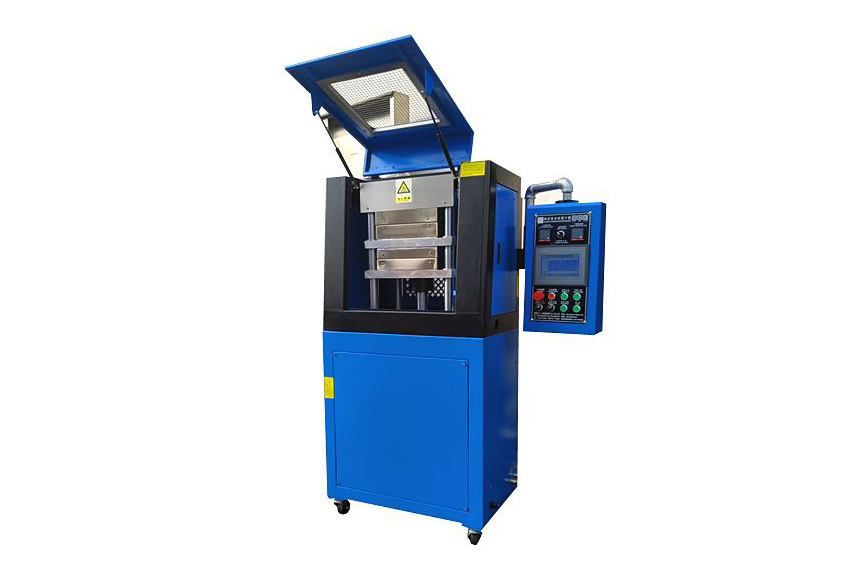



Experimental Flat-Bed Vulcanizers: Revolutionizing the Manufacturing Process
Flat-bed vulcanization is a crucial process in the rubber and plastic industry, whereby a viscous rubber compound is pressed into a solid sheet. This process is commonly used in the production of tires, hoses, and other rubber products. In recent years, experimental flat-bed vulcanizers have emerged as a revolutionary tool for enhancing efficiency and precision in this manufacturing process. These machines are designed to simulate the physical properties of a real vulcanizing machine, allowing researchers and engineers to test new materials and processes before they are implemented on a larger scale.
One of the key features of an experimental flat-bed vulcanizer is its ability to precisely control the temperature and pressure during the vulcanization process. This allows for the investigation of how different factors such as temperature, time, and pressure affect the final properties of the rubber sheet. By using these machines, researchers can quickly and easily test various combinations of variables, which would be difficult or impossible to achieve with traditional vulcanizing methods.
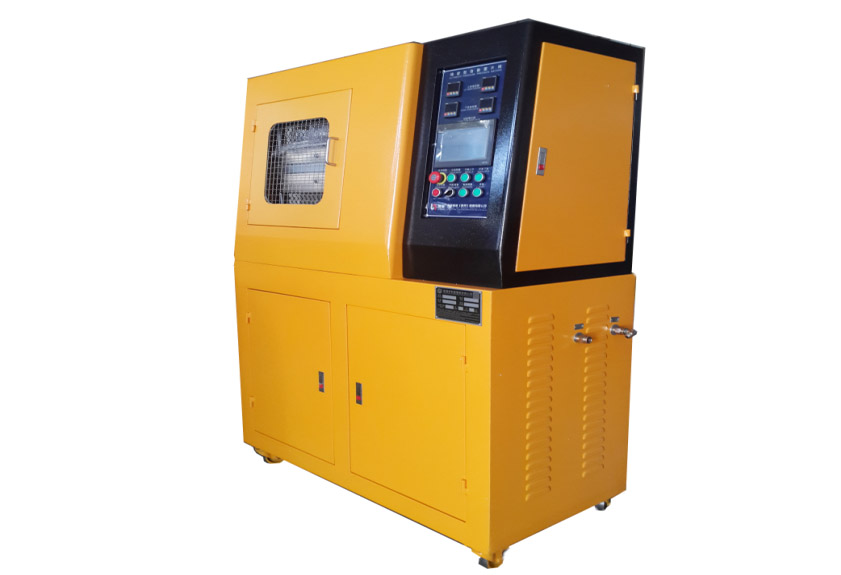
Another advantage of experimental flat-bed vulcanizers is their flexibility. They can be customized to fit specific needs, whether it's testing a new material or developing a new process. This means that companies can invest in these machines without having to commit to a large upfront investment. Additionally, because they are designed to mimic real-world conditions, they can provide valuable insights into the behavior of materials under actual production conditions.
In conclusion, experimental flat-bed vulcanizers are a powerful tool for advancing the field of rubber and plastic manufacturing. By enabling researchers and engineers to test new materials and processes before they are implemented on a larger scale, these machines are helping to drive innovation and improve the overall efficiency of the industry. As technology continues to advance, we can expect to see even more sophisticated versions of these machines, further revolutionizing the way we manufacture rubber and plastic products.