

Title: Exploring the Future of...
Title: Exploring the Future of Lithium Battery Technology with Advanced Sheet Rolling Machines
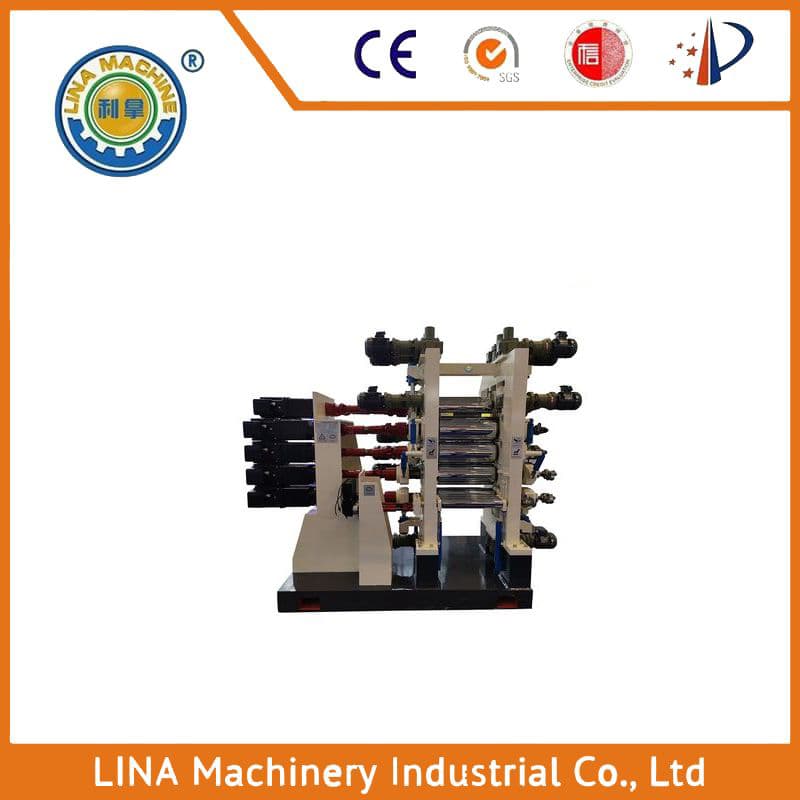
In the realm of energy storage, lithium batteries have emerged as a game-changer, offering unparalleled power density and longevity. The success of these batteries is largely attributed to their intricate manufacturing process, which involves the precise shaping of thin, high-quality electrode sheets. Among the critical steps in this process is the application of pressure to the electrode sheets during the formation of the battery's active material layer. This is where the role of the sheet rolling machine comes into play. In this article, we will delve into the world of advanced sheet rolling machines used in the production of lithium battery electrodes, exploring their capabilities, benefits, and future prospects.
At the heart of any lithium battery manufacturing process lies the electrode assembly, which consists of two main components: the cathode and anode. The cathode, made up of a mixture of graphite and carbon black, serves as the negative electrode, while the anode, typically made from lithium metal or lithium composite oxides, provides the positive charge. To achieve the desired electrical conductivity and mechanical integrity, the electrodes are subjected to a series of processing steps, including compression, rolling, and coating. Among these steps, the rolling process is particularly crucial, as it helps to evenly distribute the active materials and create a uniform structure for efficient battery performance.
The advancements in lithium battery technology have led to an increased demand for high-quality electrode sheets. These sheets must be thinner than ever before, with a thickness ranging from 2 micrometers to 5 micrometers, depending on the specific application. The challenge, therefore, lies in producing these sheets with precision and consistency using advanced sheet rolling machines.

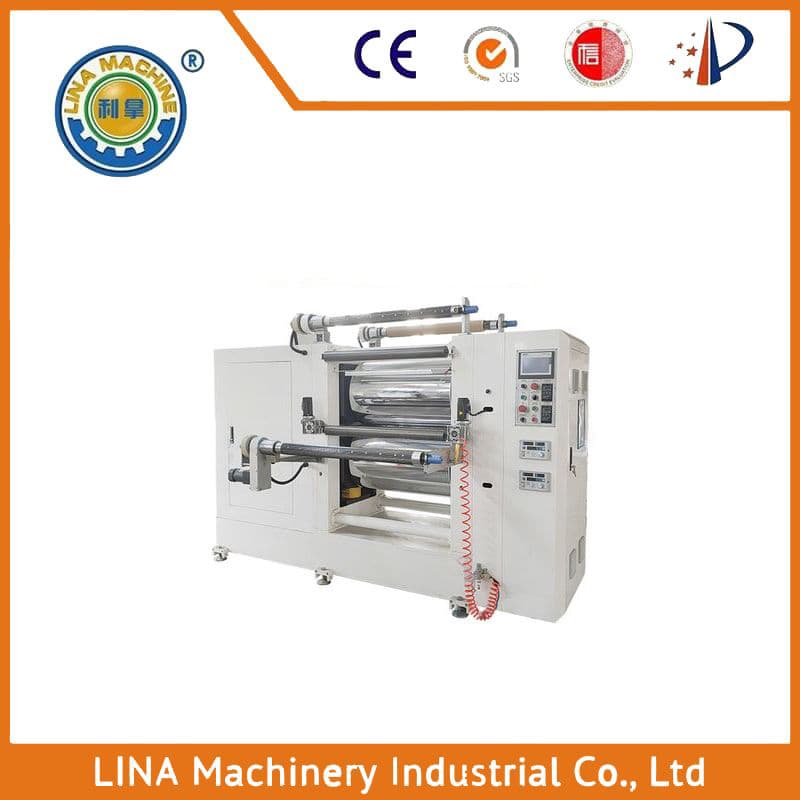
One such machine is the CNC (Computer Numerical Control) sheet rolling machine, which uses computer-controlled movements to precisely roll the electrode sheets. This machine offers several advantages over traditional manual methods. For instance, it allows for consistent sheet thickness control, reducing the risk of defects such as cracks or voids in the final product. Additionally, CNC machines can produce sheets with a higher degree of uniformity, ensuring that the battery cells produced are of consistent quality.
Another key component of the lithium battery manufacturing process is the use of binders, which serve to hold the active materials together and prevent them from pulverizing during the cycling process. The binder is applied to the electrode sheets through a coating process, which requires precise control over the thickness and uniformity of the coating. This is where the role of the coating machine becomes essential.
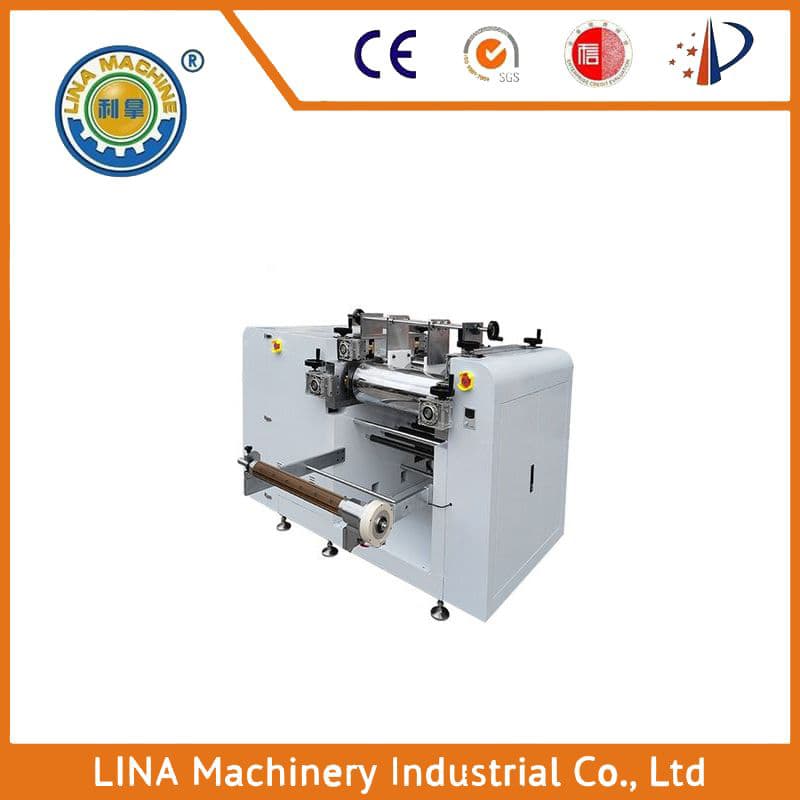
The coating machine is designed to apply a thin layer of binder material to the electrode sheets. It uses a variety of techniques, including spraying, dipping, and printing, depending on the specific requirements of the manufacturer. The machine is equipped with sensors and control systems that monitor the thickness and uniformity of the coating throughout the process. This ensures that each coated sheet is consistent in quality and meets the stringent standards required by the lithium battery industry.
In addition to its role in producing high-quality electrode sheets, the coating machine also plays a crucial role in the overall efficiency of the lithium battery manufacturing process. By ensuring that the binder is evenly distributed across the entire sheet, the machine reduces the risk of defects such as short circuits or poor contact between the active materials and the current collectors. This not only improves the performance of the battery but also enhances its reliability and safety.
As the demand for lithium batteries continues to grow, so does the need for advanced manufacturing technologies. The role of the sheet rolling machine and coating machine in the production of high-quality electrode sheets is becoming increasingly important. These machines offer significant benefits over traditional methods, including improved consistency, reduced defect rates, and enhanced efficiency. As manufacturers continue to push the boundaries of lithium battery technology, these machines will undoubtedly play a central role in shaping the future of energy storage.
1. Lithium Battery Manufacturing
2. Advanced Sheet Rolling Machines
3. Coating Machines
4. High-Quality Electrode Sheets
5. Energy Storage
This article delves into the critical role played by advanced sheet rolling machines and coating machines in the production of high-quality lithium battery electrodes. By providing a comprehensive overview of these machines and their contributions to the success of lithium batteries, we highlight the importance of precision and consistency in the manufacturing process. As the demand for lithium batteries continues to rise, these machines will undoubtedly play a