




The Role of Ceramic Powder Consolidation and Granulation Integrated Machinery
Ceramic powder consolidation and granulation is a crucial step in the production process of ceramics. It involves mixing, compacting, and shaping the ceramic powder to form a solid material. In recent years, there has been a growing demand for efficient and cost-effective methods of ceramic powder processing. This has led to the development of integrated machinery that combines multiple functions into one unit. One such machine is the ceramic powder consolidation and granulation integrated machine.
The ceramic powder consolidation and granulation integrated machine is designed to perform all the necessary steps in the ceramic powder processing process. It starts with the mixing of the ceramic powder with binders and other additives. The mixture is then fed into the compaction stage, where it is compressed into a uniform shape. Finally, the granulated product is formed by sieving or screening the compacted material.
The advantages of using an integrated machine are numerous. Firstly, it reduces the need for separate machines for each step of the process, which can save time and money. Secondly, it improves the quality of the final product by ensuring that the ceramic powder is evenly mixed and compacted. Thirdly, it reduces the risk of contamination during the process, as the different stages are performed in a dedicated area.
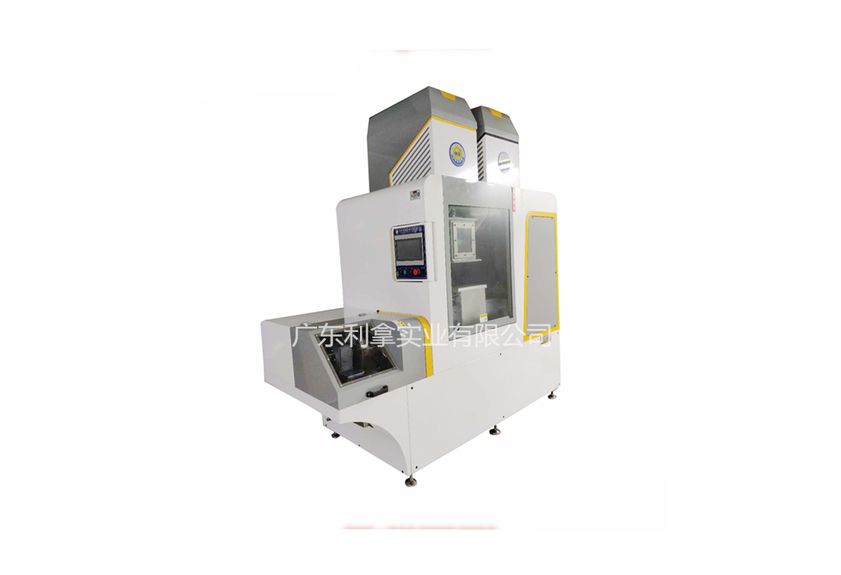
In addition to its practical benefits, the ceramic powder consolidation and granulation integrated machine also has a significant impact on the environment. By reducing the number of separate machines and their associated emissions, it helps to reduce pollution and greenhouse gas emissions. Furthermore, the use of renewable energy sources in the machine's operation can further contribute to environmental sustainability.
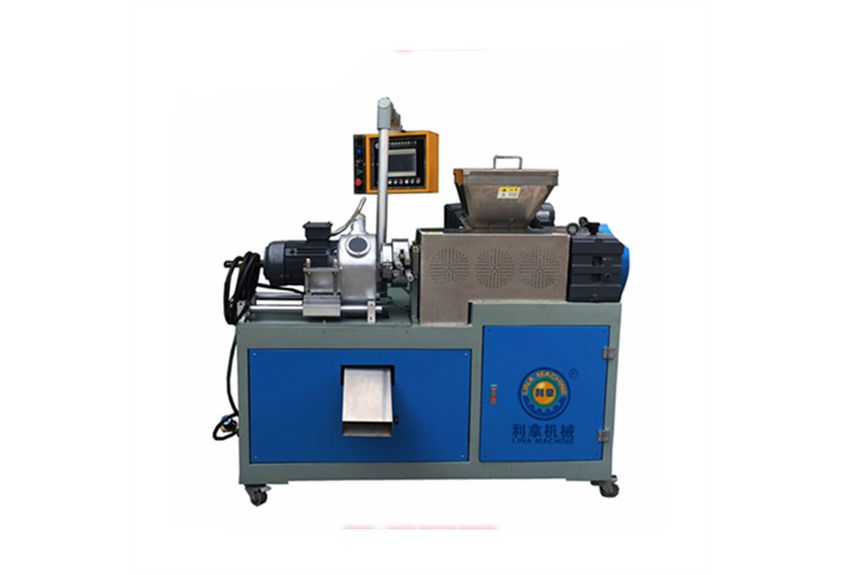
In conclusion, the ceramic powder consolidation and granulation integrated machine represents a significant advancement in the field of ceramic manufacturing. Its ability to perform multiple functions in one unit and its environmental benefits make it an essential tool for modern ceramic producers. As technology continues to advance, we can expect to see even more innovative and efficient integrated machinery in the future.