
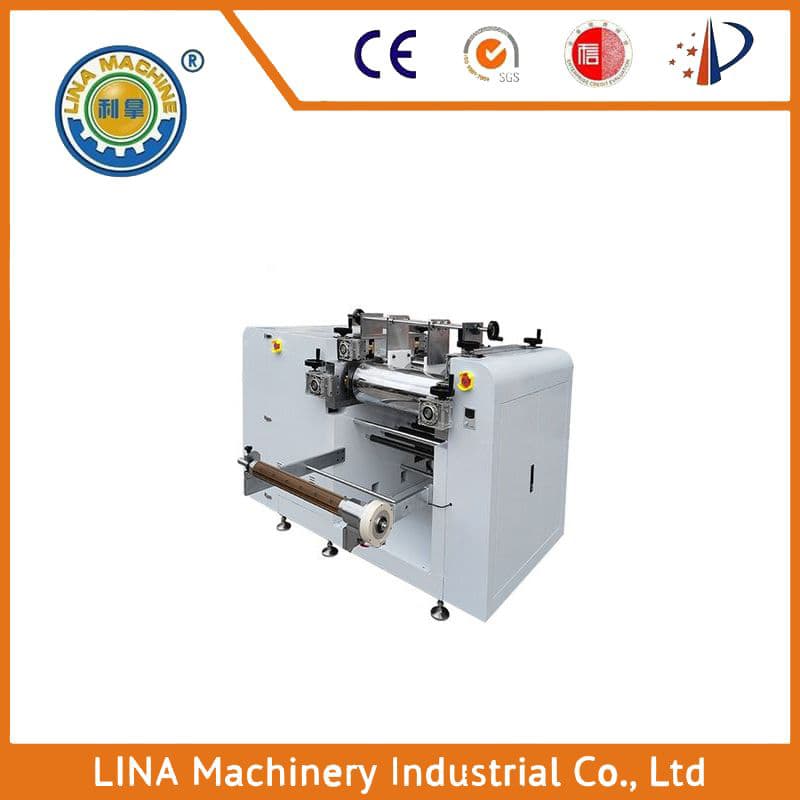
Understanding Rubber Extrusion Filters: An Insight into Their Function and Applications
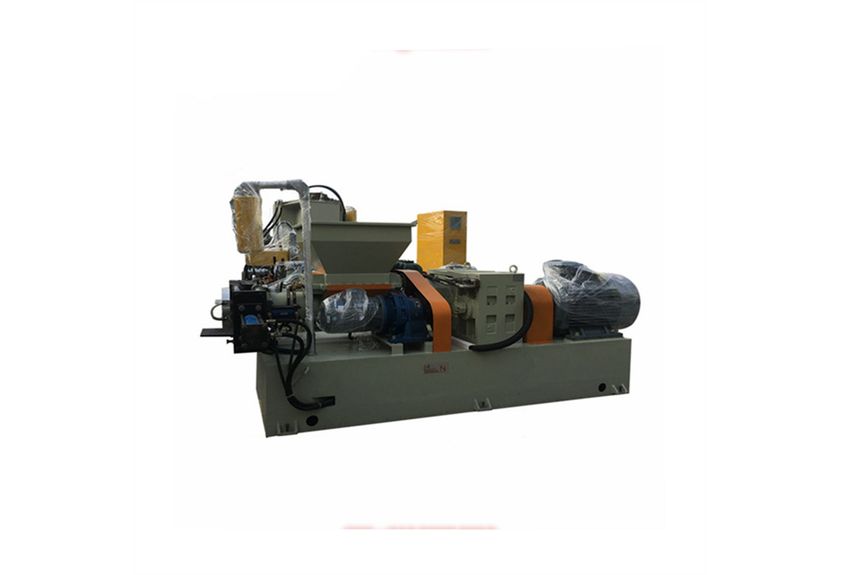
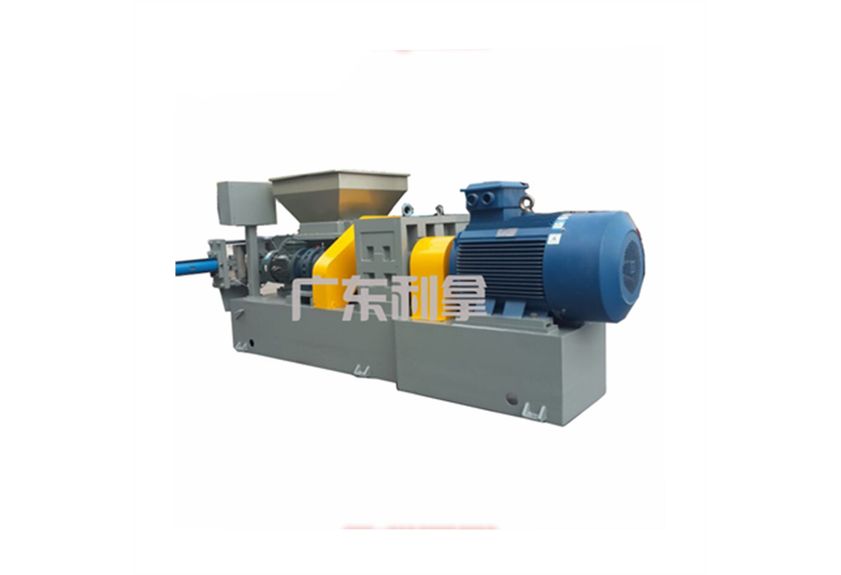
In the realm of industrial machinery, rubber extrusion filters play a crucial role in the production process. These filters are designed to remove impurities from molten rubber, ensuring its quality and consistency. The function of a rubber extruder filter is to prevent foreign materials from entering the final product, which can affect its performance and durability. By doing so, it helps maintain the integrity of the finished product and extends its lifespan.
The design of a rubber extruder filter is intricate, with multiple stages that work together to achieve optimal results. At the beginning, the raw materials are fed into the machine, where they undergo high-pressure processing. This stage involves heating the rubber to a specific temperature, which helps to soften it and make it easier to manipulate. As the rubber moves through the machine, it passes through several stages, each designed to remove different types of impurities.
One of the most important stages is the filtering stage, where the rubber is passed through a series of screens and other filtration devices. These screens are made of fine mesh material, designed to trap any particles or debris that may have entered the system during processing. The result is a clean, high-quality rubber product that meets industry standards.
In addition to their practical applications, rubber extruder filters also have aesthetic value. They come in various designs and colors, making them an attractive addition to any industrial setting. Whether used in manufacturing, construction, or other industries, these filters are essential for maintaining the quality and consistency of the products produced.