
The Role of Blast-Proof Mixing Machines in the Manufacturing Industry
In the manufacturing industry, the use of machinery is crucial for the production process. Among these machines, the blast-proof mixing machine plays a significant role in ensuring the safety of workers and the environment. This article will discuss the importance of using such machines in the manufacturing industry, their features, and how they can be used to improve productivity and reduce costs.
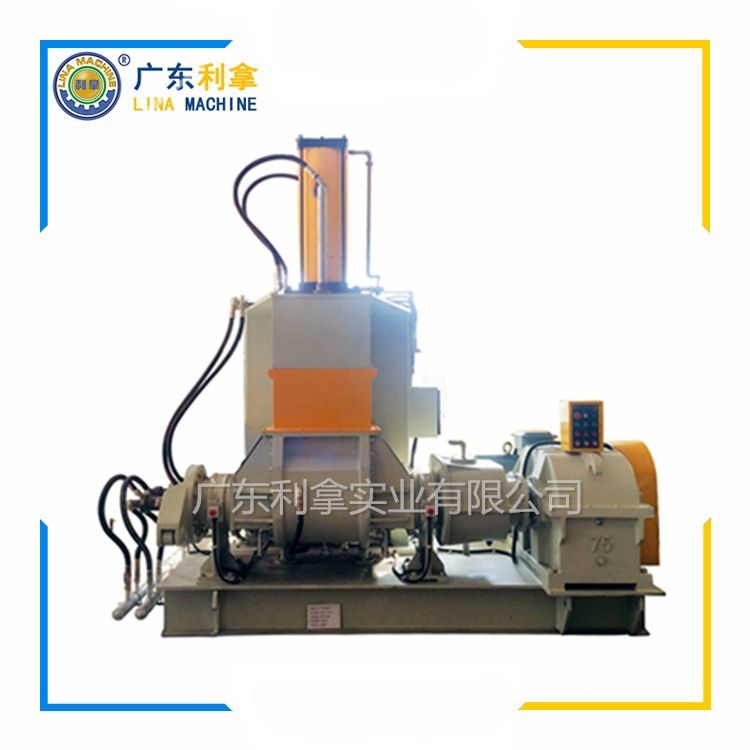
The blast-proof mixing machine is designed to handle materials that are prone to explosion or combustion. These materials include gases, flammable liquids, and solids that can cause an explosion if not handled properly. By using a blast-proof mixing machine, manufacturers can ensure that their products meet safety standards and comply with regulations.
One of the main features of a blast-proof mixing machine is its ability to handle high-pressure materials without causing any damage to the machine itself. This is achieved through the use of advanced technology and design features that make it resistant to impact and vibration. Additionally, the machine is equipped with safety features such as automatic shut-off systems and emergency shutdown mechanisms to prevent accidents during operation.

Another advantage of using a blast-proof mixing machine is its ability to improve productivity. With its efficient processing capabilities, manufacturers can produce more products in less time than traditional methods. This leads to increased efficiency and reduced labor costs, which ultimately results in cost savings for the company.
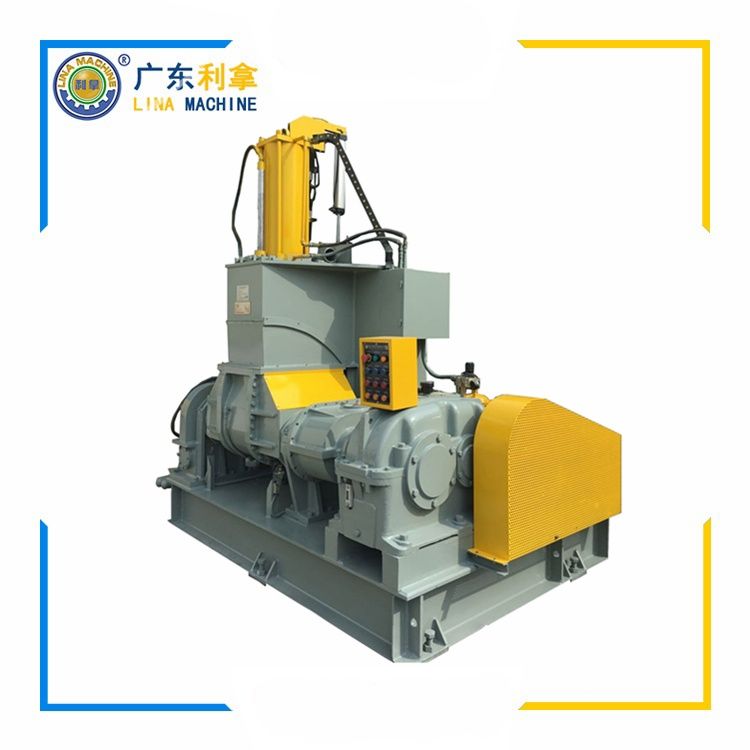
Moreover, blast-proof mixing machines can also help reduce waste by minimizing material losses during processing. This is because they are designed to handle materials accurately and efficiently, resulting in fewer scraps and overproduction. As a result, manufacturers can save money on raw materials and transportation costs while still producing high-quality products.
In conclusion, the use of blast-proof mixing machines is essential for the manufacturing industry. These machines offer numerous benefits, including improved safety, increased productivity, and reduced waste. By investing in such equipment, manufacturers can achieve greater success in their operations while meeting regulatory requirements and staying competitive in the market.