




Understanding the Water Latex Pelletizer Machine
The water latex pelletizer machine is a crucial tool in the production of latex products, such as rubber gloves and medical tapes. This machine uses water to convert latex into a solid form, which can then be processed further for various applications. In this article, we will explore the working principles of the water latex pelletizer machine, its advantages, and how it can benefit the industry.
The water latex pelletizer machine works by using high-pressure water jets to break down the latex particles into smaller sizes. This process involves passing the latex through a series of screens and nozzles, where the water jets impact the latex particles and cause them to adhere together. The resulting pellets are then dried and cooled before being packaged and shipped to customers.
One of the main advantages of using the water latex pelletizer machine is that it produces pellets with a uniform size and shape. This makes it easier to handle and transport the pellets, as well as to process them further for various applications. Additionally, the use of water instead of solvents or chemicals reduces waste and environmental impact.
Another benefit of the water latex pelletizer machine is its flexibility in terms of product customization. By adjusting the parameters of the machine, manufacturers can produce pellets with different densities, sizes, and shapes, which can be used in various applications. For example, medical tapes made from water latex pellets can be more durable and resistant to tearing than those made from traditional latex materials.
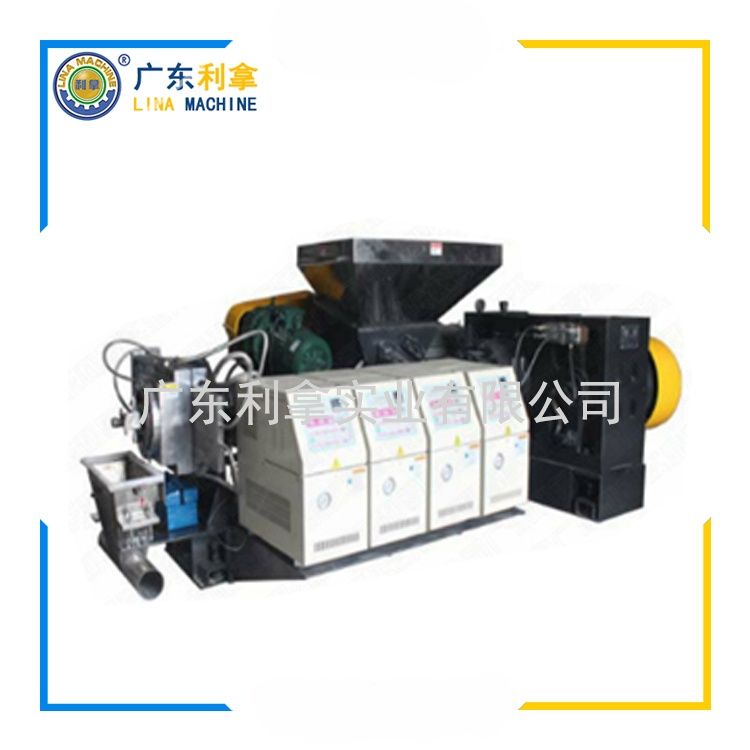
In conclusion, the water latex pelletizer machine is an essential tool in the production of latex products. Its ability to produce pellets with a uniform size and shape, along with its flexibility in terms of product customization, makes it an ideal choice for manufacturers looking to improve their efficiency and reduce waste. As the demand for latex products continues to grow, investing in this machine is likely to pay off in the long run.