

The Art of Rubber Extrusion: An Overview of Rubber Extrusion Machines
In the realm of industrial machinery, the rubber extrusion machine stands as a testament to human ingenuity and engineering prowess. At its core, this sophisticated piece of equipment is designed to transform raw materials into high-quality, uniformly shaped rubber products. Whether it's tires, hoses, or other rubber components, the rubber extruder plays a crucial role in the manufacturing process.
At its most basic level, the rubber extruder consists of a series of interconnected components that work together to produce the desired product. The feeder system, which includes hopper, screw, and metering valves, is responsible for feeding the raw rubber material into the extruder. The screw, which rotates at high speeds, forces the rubber through the die, where it undergoes a complex transformation. The die is designed to shape the rubber into the desired form, while the cooling system helps to solidify the final product.
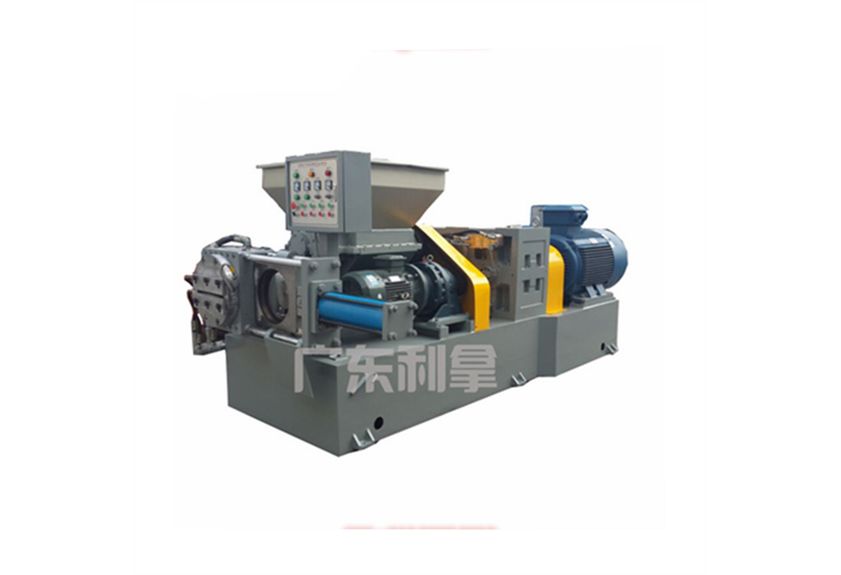
The rubber extruder is not just a mechanical device; it's also a highly complex system that requires precise control over various parameters. For example, the temperature of the rubber and the speed of rotation of the screw must be carefully monitored to ensure consistent quality and yield. Additionally, the geometry of the die and the pressure applied to the rubber during extrusion can greatly influence the final properties of the product.
One of the key advantages of the rubber extruder is its ability to produce high-quality products with minimal waste. By using advanced techniques such as twin-screw extrusion and multi-cavity design, manufacturers can achieve greater consistency and repeatability in their production processes. This not only reduces costs but also improves product safety and reliability.
As we continue to advance in the field of rubber manufacturing, the rubber extruder will undoubtedly play an increasingly important role in shaping our future. From automotive parts to medical devices, the rubber extruder has the potential to revolutionize industries across the globe. As we explore new applications and technologies, we can expect to see even more sophisticated and efficient versions of this essential piece of machinery.
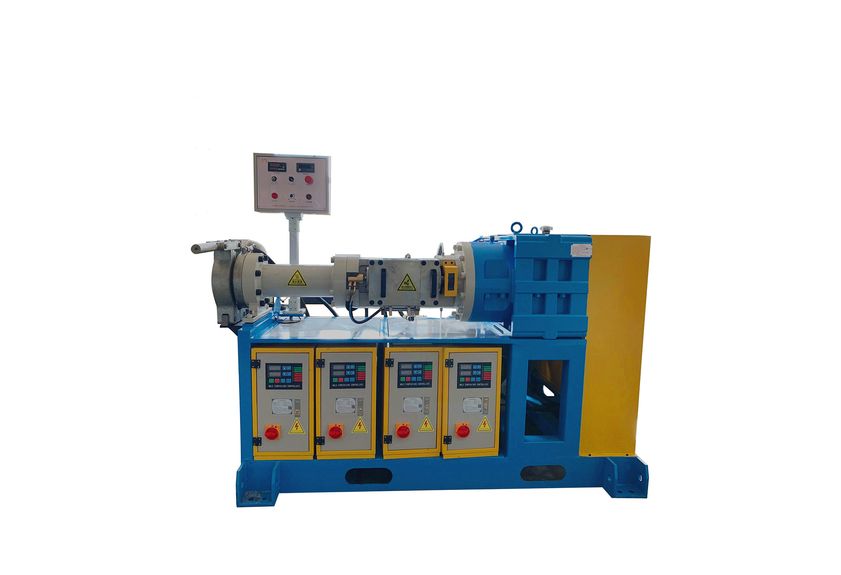
1. Rubber Extrusion Machine
2. Manufacturing Process
3. Die Design
4. Quality Control
5. Advanced Techniques
This article provides an in-depth overview of the rubber extruder, highlighting its critical role in the manufacturing process. We discuss the basic components of the extruder, including the feeder system, screw, and die, and how they work together to produce high-quality rubber products. We also explore the importance of temperature control, screw speed, and die geometry in achieving consistent quality and yield. As we look to the future of rubber manufacturing, we anticipate advancements in technology and innovation that will further enhance the capabilities of this essential piece of machinery.