




The Role of the Three-Roll Rolling Press in Metal Forming
The three-roll rolling press is a versatile and efficient tool used in metal forming processes. It is a machine that uses three rollers to roll a workpiece into a desired shape. This process is known as cold drawing, which is used to create thin sheets of metal. The three-roll rolling press is widely used in industries such as automotive, aerospace, and electronics, where it is necessary to produce thin, uniform sheets of metal with high precision.
The three-roll rolling press consists of three rollers, each mounted on a separate shaft. These rollers are arranged in a triangular pattern, with the outer two rollers being larger than the inner roller. As the workpiece is fed into the machine, the outer rollers move towards each other, causing the workpiece to be drawn between them. This process creates a compressive force that stretches the material, resulting in a thinner sheet.
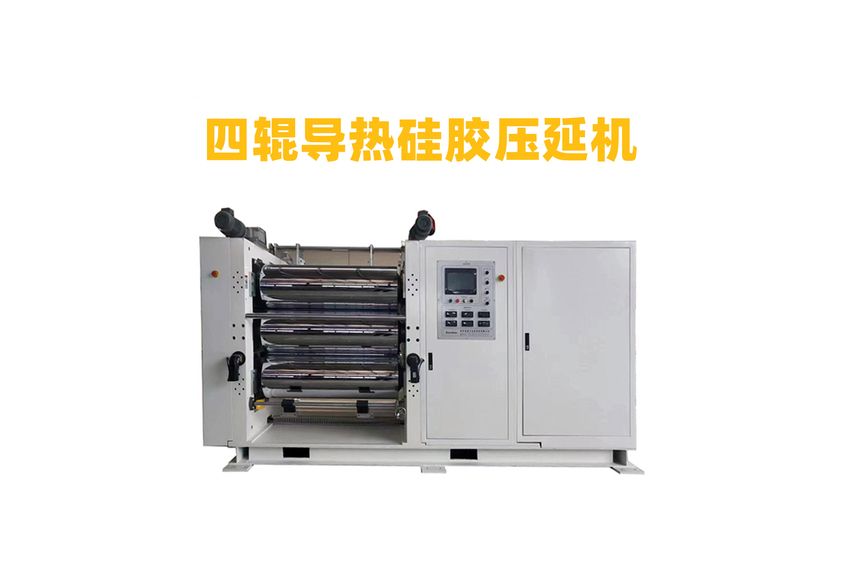
The three-roll rolling press has several advantages over other metal forming methods. Firstly, it can produce sheets with a uniform thickness, which is important for many applications. Secondly, it can be used to produce sheets of any size, making it a flexible tool for various manufacturing processes. Finally, the three-roll rolling press is relatively easy to operate, with minimal maintenance required.
However, there are some limitations to using the three-roll rolling press. One issue is that it can only be used for materials that have a certain level of strength and toughness. Additionally, the process may not be suitable for all types of metals, as some materials may not be able to withstand the compressive force applied during the stretching process.
In conclusion, the three-roll rolling press is an essential tool in metal forming processes. Its ability to produce thin, uniform sheets of metal with high precision makes it a valuable asset in many industries. While there are some limitations to its use, these can be overcome through careful selection of materials and appropriate operating techniques.