




The Role of the Wires and Cable Extruder in the Manufacturing Industry
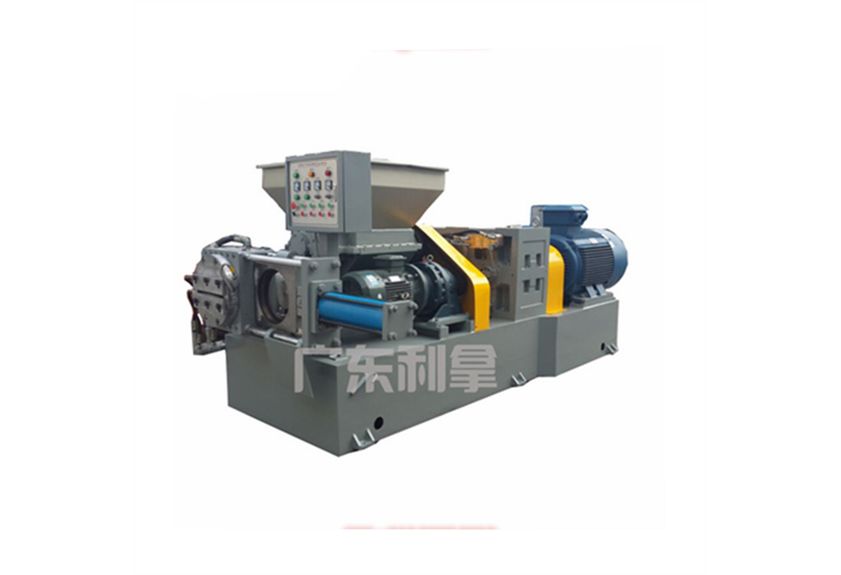
The wires and cable extruder plays a crucial role in the manufacturing industry, particularly in the production of electrical and electronic components. This machine is used to create wires and cables that are essential for various applications such as power transmission, data communication, and transportation. In this article, we will explore the different types of wires and cables produced by the extruder, the benefits of using it, and some tips for optimal use.
Wires and cables are made up of multiple layers of metal or plastic material that are twisted together to form a continuous strand. These strands are then fed into the extruder, which heats and compresses them to form a solid wire or cable. There are several types of wires and cables produced by the extruder, including:
1. Copper wires: Copper is the most commonly used material for wires and cables due to its high electrical conductivity and resistance to corrosion. Copper wires are typically used in electrical wiring, where they provide a reliable and durable connection between circuits.
2. Aluminum wires: Aluminum is a lightweight and affordable alternative to copper wires. It is often used in applications where weight is a concern or where a lower cost option is required. However, aluminum wires may not be as strong as copper wires and may require additional protection against corrosion.
3. PVC (Polyvinyl Chloride) wires: PVC wires are commonly used in outdoor applications where they can withstand exposure to moisture and other harsh conditions. They are also used in low-voltage electrical systems where their flexibility and ease of installation make them ideal.
4. Polyester wires: Polyester wires are made from a synthetic material that is similar to cotton but has better insulation properties. They are commonly used in applications where flexibility and insulation are important, such as in automotive wiring.
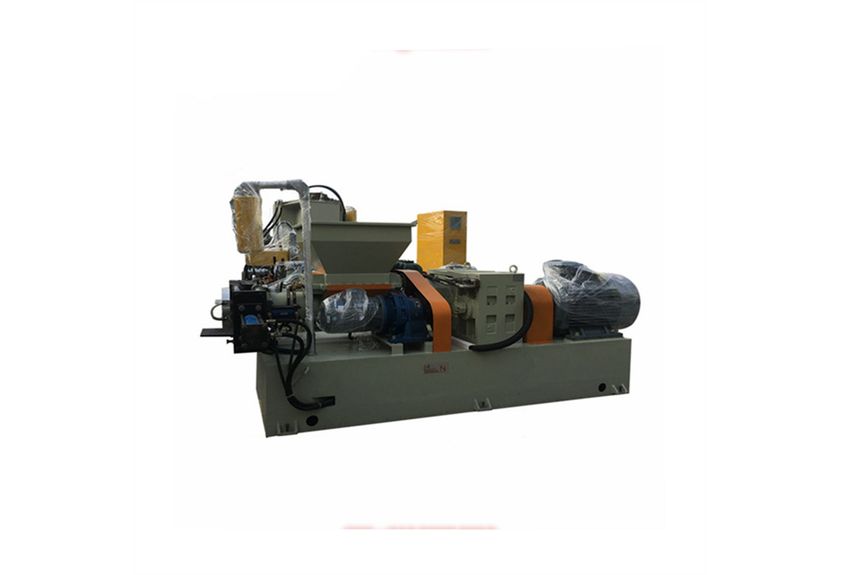
The benefits of using the wires and cable extruder include:
1. Improved accuracy: The extruder ensures that the wires and cables are consistently sized and shaped, resulting in a more reliable and consistent product.
2. Increased efficiency: The extruder reduces the need for manual labor and increases the speed of production, leading to increased efficiency.
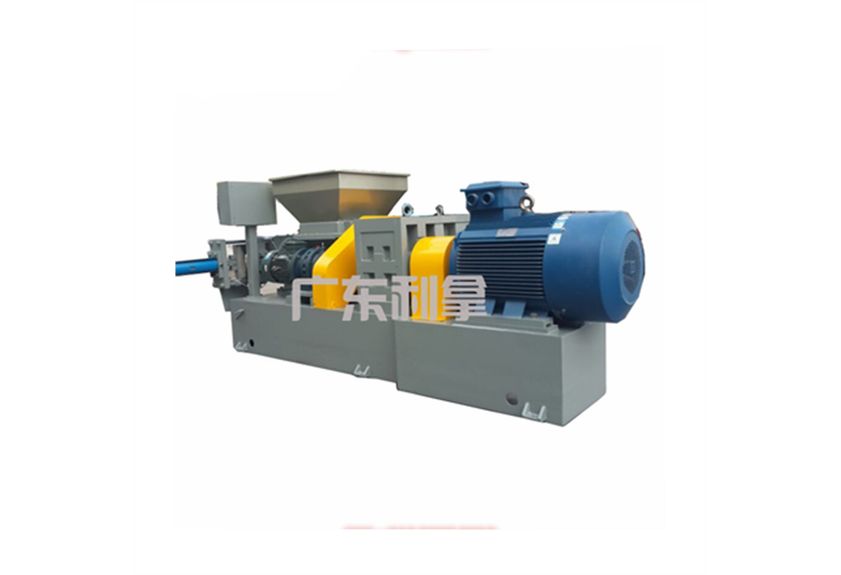
3. Reduced costs: The extruder can save time and money by reducing the need for manual handling and cutting, which can result in lower labor costs.
4. Better quality: The extruder produces wires and cables that are uniform in size and shape, making them easier to connect and less likely to fail.
When using the wires and cable extruder, there are a few tips to keep in mind:
1. Ensure proper ventilation: Proper ventilation is essential to prevent fire hazards and ensure safe working conditions.
2. Follow safety guidelines: Always follow the manufacturer's instructions and safety guidelines when operating the extruder.
3. Maintain equipment regularly: Regular maintenance of the extruder will help ensure its longevity and optimal performance.
In conclusion, the wires and cable extruder is an essential tool in the manufacturing industry, enabling the creation of high-quality wires and cables that meet the needs of various applications. By understanding its different types of wires and cables, the benefits of using it, and following proper safety guidelines, businesses can optimize their production processes and achieve greater efficiency and cost savings.